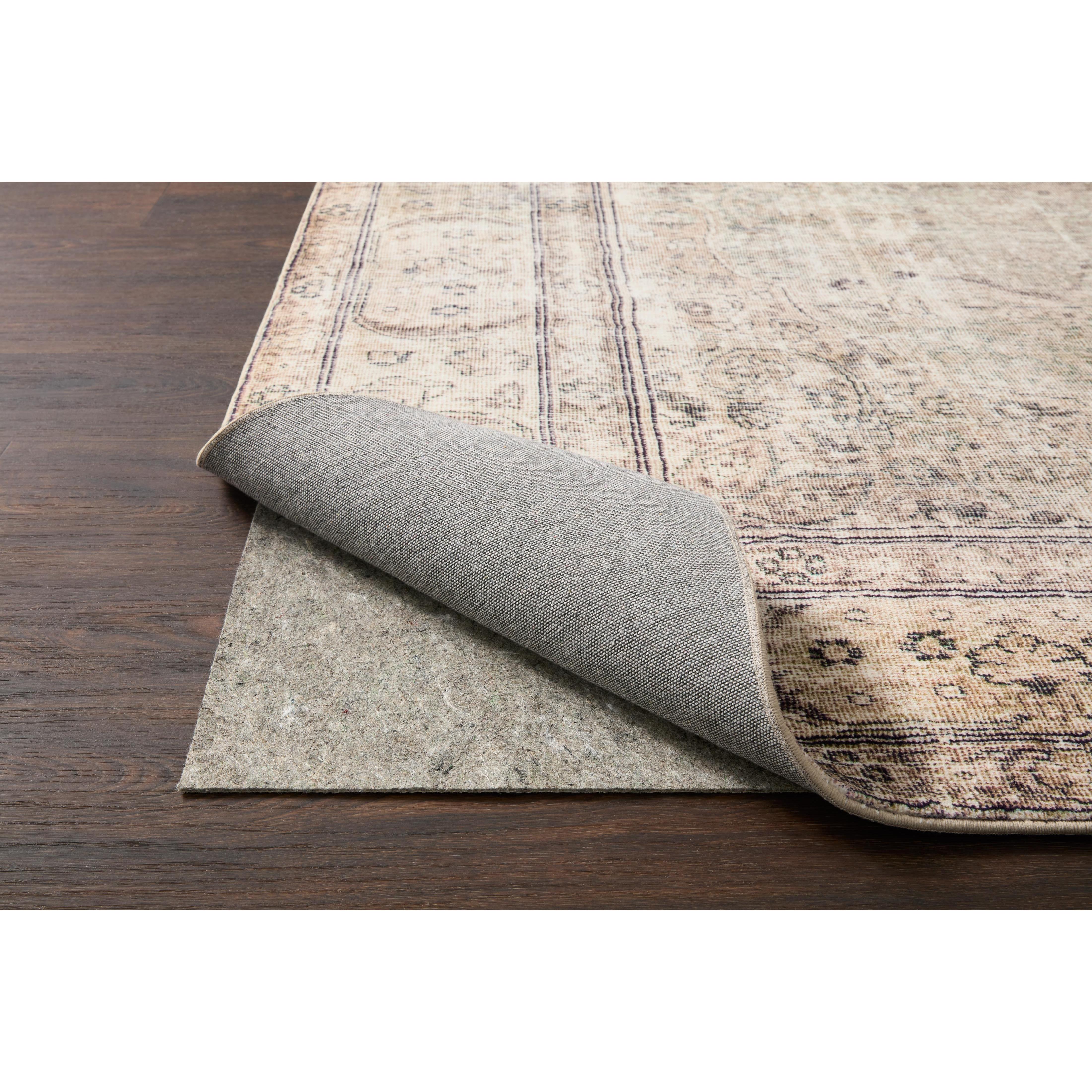
We’ve all seen it: the small rug floating like a lonely island in the middle of a living room, with the furniture huddled awkwardly around its edges. It’s the single most common decorating mistake, and it can make an entire space feel disconnected and unfinished. A rug should unite your furniture, not isolate it. Choosing the right living room rug size is the most critical step in creating a room that feels grounded, inviting, and thoughtfully designed. Before you fall in love with a pattern or color, let’s cover the essential rules that will help you select a rug that truly fits your space and pulls your whole look together.
Key Takeaways
- Map It Out with Painter's Tape: Before you commit, outline your desired rug dimensions on the floor with painter's tape. This simple trick lets you visualize the scale in your actual space, ensuring your furniture fits and walkways remain clear, which is the best way to avoid the "too small" rug mistake.
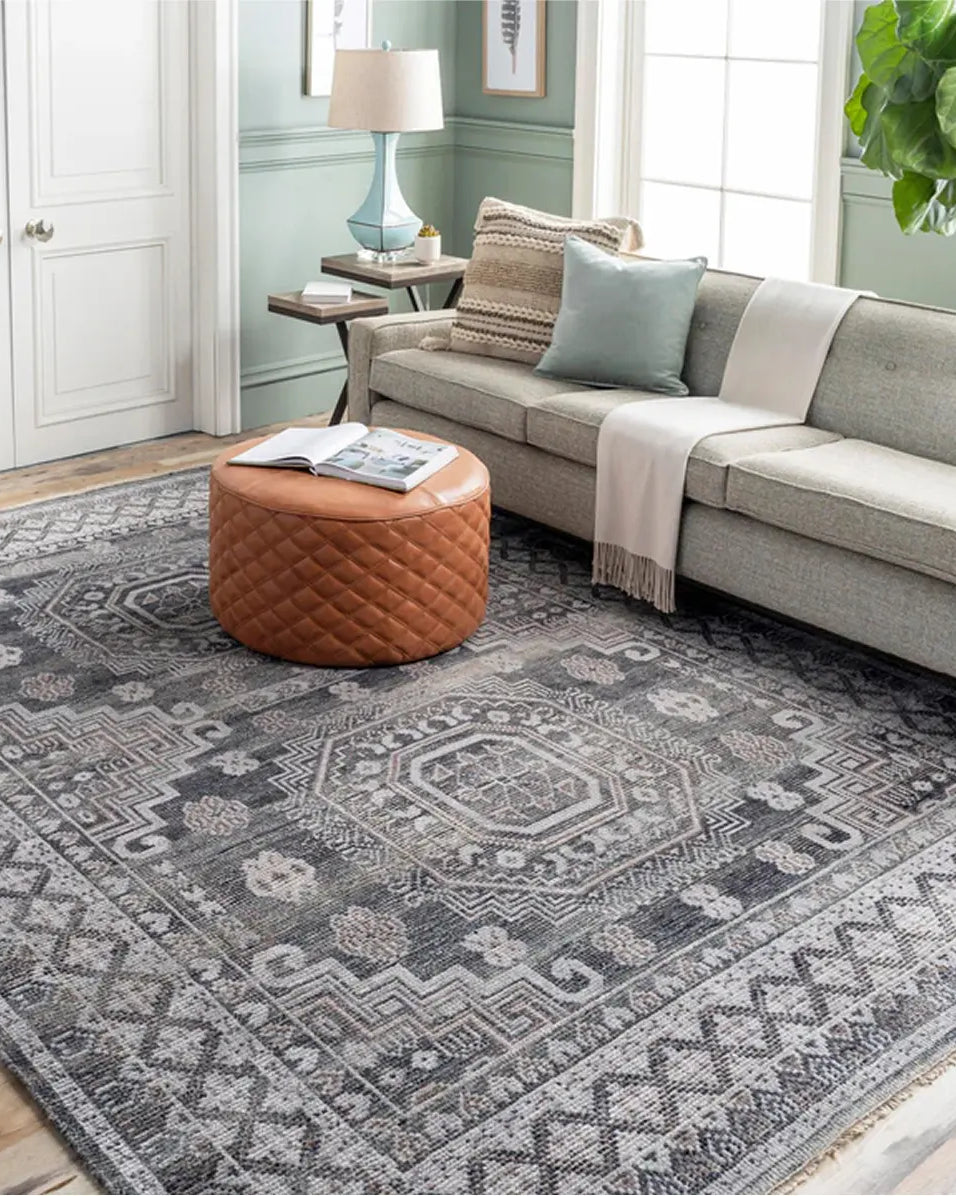
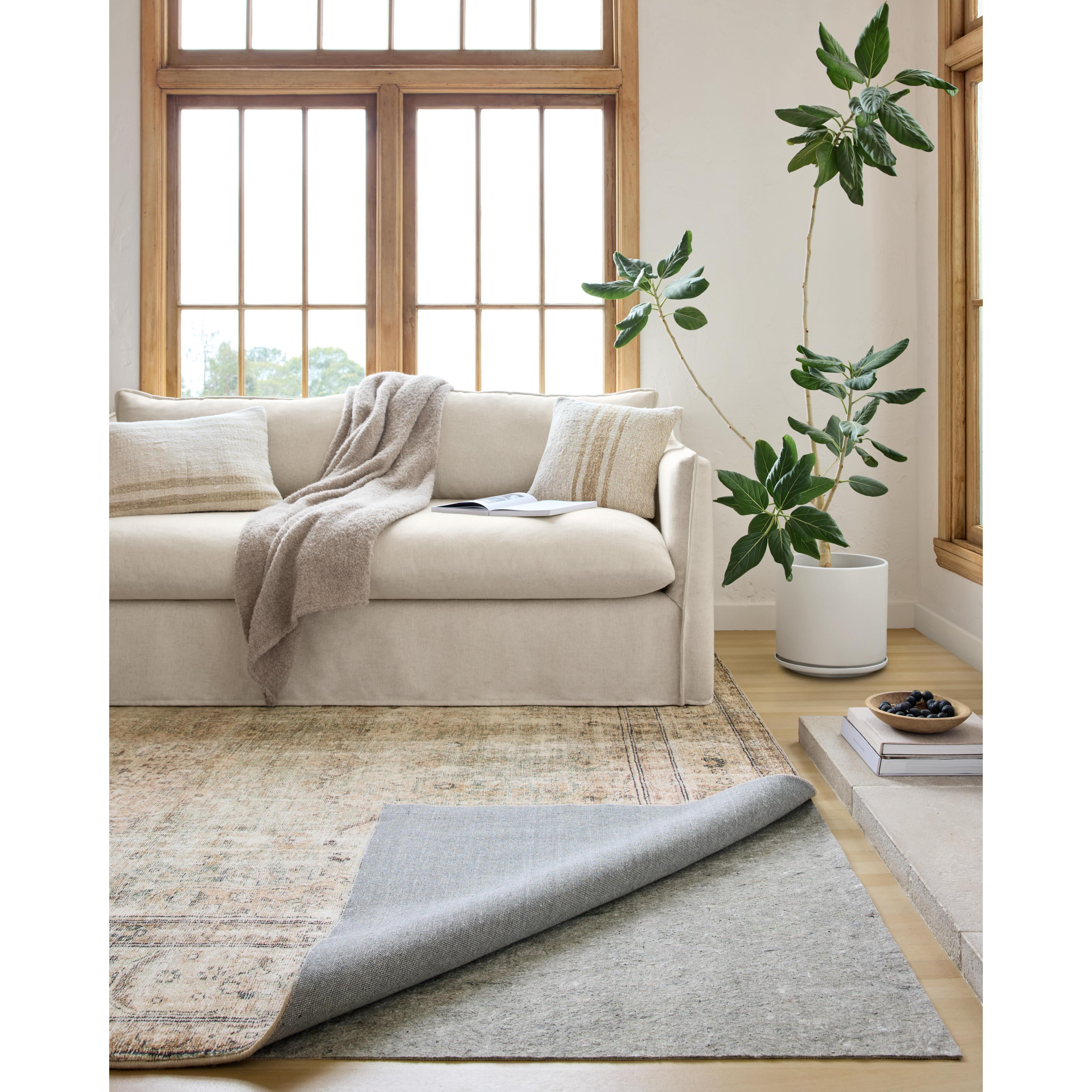
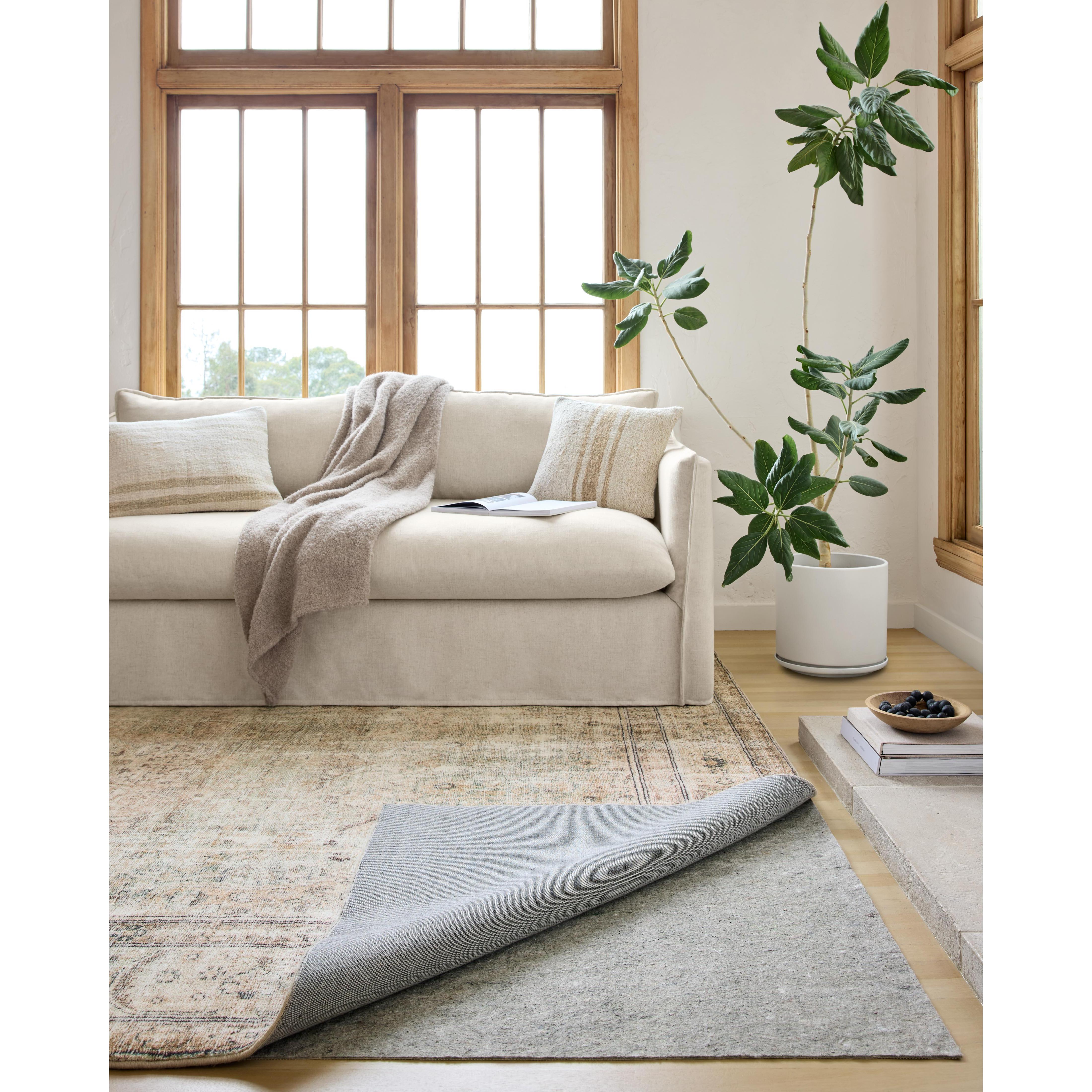
- Connect Your Furniture with the Rug: The most versatile placement rule is to have at least the front legs of your sofa and chairs on the rug. This anchors your seating area and creates a unified, cohesive look without completely covering your beautiful floors.
- Leave a Border to Make the Room Feel Bigger: A rug should frame your seating area, not cover the entire floor. By leaving about 18 inches of bare floor between the rug and the walls, you create a sense of proportion that makes the room feel more open and intentionally designed.
Decoding Living Room Rug Sizes
Choosing the right rug size can feel like a high-stakes decision, but it doesn't have to be. Think of it as the foundation that pulls your entire living room together. The right size creates a sense of harmony and intention, while the wrong one can make a space feel disjointed. Before you fall in love with a pattern, let's walk through the basics of sizing so you can shop with confidence and find a rug that truly fits your space.
A Look at Standard Dimensions
When you start browsing for area rugs, you'll notice a few standard sizes pop up again and again. For most living rooms, an 8'x10' or 9'x12' rug is the sweet spot. These dimensions are generous enough to anchor your main furniture—like the sofa and coffee table—creating a defined and cozy conversation area. If you have a smaller living room or a more compact apartment, a 6'x9' rug can provide that same cohesive feel without overwhelming the floor space. These sizes are popular for a reason: they work beautifully in a wide variety of layouts.
How to Use Different Rug Sizes
Here’s a simple rule to remember: when in doubt, go bigger. A rug that’s slightly too large makes a room feel more expansive and luxurious, while one that’s too small can look like an afterthought. For a small living room (around 150 sq ft), a 6'x9' rug is a great fit. In a medium-sized room (around 200 sq ft), an 8'x10' or 9'x12' rug will ground the space perfectly. For busy households with kids or pets, consider practical options like washable rugs that offer style without the stress.
The Impact of Rug Shape
The shape and orientation of your rug play a huge role in the room's overall flow. A good guideline is to choose a rug that is at least 8 to 10 inches wider than your sofa on both sides. This creates a visual anchor and prevents the furniture from feeling like it's spilling off the edges. You should also align the rug with the room's orientation. If you have a long, rectangular room, lay the rug lengthwise to complement the shape. For a more square-shaped room, a rug placed horizontally can help the space feel wider.
How to Measure Your Living Room for a Rug
Before you fall in love with a pattern, let's talk numbers. Measuring your living room is the single most important step to finding a rug that looks like it was made for your space. It might sound tedious, but getting it right saves you from the headache of a rug that’s too big or comically small. Think of it as creating the perfect canvas for your furniture. With a tape measure and a few simple guidelines, you can confidently choose a size that pulls your whole room together. These steps will help you map out your space and find the perfect fit.
Tools and Tips for Measuring
First things first, grab a measuring tape. You’ll want to measure the full length and width of your living room, from wall to wall. If your room has an irregular shape, like an L-shape or a nook, don't worry. Just measure the longest and widest parts of the main seating area to get your maximum dimensions. Jot these numbers down. This measurement isn't the size of the rug you'll buy, but it's the boundary you're working within. Knowing the total size of your space is the essential first step to finding the perfect area rug that will anchor your room without overwhelming it.
Master the 18-Inch Rule
Here’s a classic interior design guideline that works every time: leave about 18 inches of bare floor between the edges of your rug and the walls. This simple rule creates a visual border, making your living room feel more spacious and defined. Think of it as framing your seating area. A rug that runs right up to the walls can look like a poorly fitted carpet and make the room feel smaller. That 18-inch gap (or a little less in smaller rooms, say 8-12 inches) ensures your beautiful flooring gets to peek through, creating a sense of balance and intention. It’s the secret to making a rug look like a deliberate, stylish choice.
Plan for Foot Traffic
A great-looking room also needs to be functional. Before you decide on a rug size, think about how you and your guests move through the space. You need clear, walkable paths from doorways to seating areas. As a general rule, try to leave at least 24 to 30 inches of space for major walkways. This prevents people from tripping over the edge of the rug or having to awkwardly shuffle around furniture. If you have a high-traffic living room, you might also consider a durable, washable rug that can handle the daily hustle. Your rug should define your living space, not block it off.
Visualize with Painter's Tape
This might be the most helpful tip of all. Once you have a potential rug size in mind, don't just guess how it will look—map it out. Grab a roll of painter's tape and outline the rug’s dimensions directly on your living room floor. This simple trick lets you see exactly how much space the rug will occupy in relation to your furniture and walkways. Live with the taped-off area for a day or two. Does it feel right? Is there enough room to walk? This hands-on approach is far more effective than trying to visualize it in your head and is the best way to avoid the disappointment of ordering the wrong size.
Find the Right Rug for Your Room's Dimensions
Once you have your room’s measurements, you can start matching them to standard rug sizes. While every space is unique, these guidelines are a great starting point for finding a rug that feels proportional and intentional.
Rugs for Small Living Rooms (Under 200 sq ft)
In a smaller living room, the goal is to define the space without overwhelming it. A 6'x9' rug is often the perfect fit. This size is large enough to anchor your main seating area—like a sofa and a coffee table—creating a cozy, designated zone. It provides coverage and comfort underfoot while leaving some of your original flooring exposed, which helps the room feel more open. By choosing the right area rugs, you can make a small room feel both complete and spacious.
Rugs for Medium Living Rooms (200-300 sq ft)
For a medium-sized room, you have a bit more flexibility. An 8'x10' or 9'x12' rug typically works best to create a balanced and harmonious look. These dimensions are generous enough to slide under the front legs of your sofa and any accompanying chairs, which visually connects all the furniture pieces. This creates a unified conversation area and makes the entire room feel more cohesive. An appropriately sized rug prevents your furniture from looking like it's floating and grounds the entire design scheme.
Rugs for Large Living Rooms (Over 300 sq ft)
Large living rooms need a substantial rug to match their scale. A 9'x12' rug is a good starting point, but don't be afraid to go even bigger if your space allows. In a large room, a rug acts as a foundational anchor, especially if you have multiple seating arrangements. A generously sized rug can pull everything together, making the expansive space feel more intimate and inviting. Choosing a rug that’s too small will look out of place and diminish the room's grand proportions.
Rugs for Open Floor Plans
Open-concept living requires a strategic approach. Here, a rug’s primary job is to create distinct zones. It’s almost always better to choose a larger rug for an open floor plan, as it helps define the living area from the dining space or kitchen. A bigger rug creates a more unified look and prevents the "rug island" effect. As a general rule, aim to leave at least 18 inches of bare floor between the rug’s edge and the walls. For these high-traffic, multi-use spaces, durable and easy-to-clean washable rugs are an excellent choice.
How to Place Your Rug with Furniture
Once you’ve measured your room and have a size in mind, the next step is figuring out how the rug will work with your furniture. The way you place your rug can completely change the feel of a room, either pulling it together into a cohesive whole or making it feel disjointed. It’s all about creating a visual anchor for your seating area.
The goal is to make your living room feel intentional and well-designed. The right placement defines the space, adds warmth, and connects all the different elements of your room. There are a few standard layouts designers use to achieve a balanced look, and choosing the right one depends on your room size, furniture, and the overall vibe you’re going for. Let’s walk through the most common options so you can find the perfect fit for your home.
The "All Legs On" Layout
This is exactly what it sounds like: all legs of your sofa, chairs, and coffee table sit completely on the rug. This approach creates a unified and luxurious feel, clearly defining the seating area as a single, connected space. It’s a great way to make a large room feel cozier and more intimate. To pull this off, you’ll need a generously sized area rug that’s big enough to accommodate all your furniture with some room to spare around the edges—think of it as creating an island for your conversation zone. This layout works best in spacious living rooms where you want to establish a strong, grounded foundation for your decor.
The "Front Legs On" Layout
The "front legs on" rule is one of the most popular and foolproof methods for placing a living room rug. With this layout, you place the rug under the front two legs of your sofa and any accent chairs. This technique beautifully connects the furniture pieces, creating a sense of harmony without completely covering your floors. It’s a fantastic compromise that makes the room feel open and airy while still anchoring the seating area. This versatile approach works well in most living rooms, from small to medium, and allows you to show off your beautiful hardwood or tile floors while tying the whole look together.
The "Floating" Furniture Layout
In this layout, the rug sits in the center of the seating area, typically just under the coffee table, with no other furniture legs touching it. This can be a tricky look to get right, as it can sometimes make the furniture feel disconnected and like it's "floating" away. However, it can work well in a few specific situations. If you have a very small living room, a floating layout can prevent a larger rug from overwhelming the space. It’s also a great option if you have a bold, statement rug with a special design that you want to feature as a central piece of art on the floor.
Working with Multiple Seating Areas
If your living room includes more than just a sofa and a couple of chairs—perhaps you have a loveseat, a chaise, or a pair of armchairs—your goal is to unify the entire conversation pit. To do this, you’ll almost always need to choose a larger rug size. The key is to have a rug that’s big enough for at least the front legs of every single seating piece to rest on it comfortably. This ensures the space feels cohesive and intentional, rather than like a random assortment of furniture. A larger rug will tie everything together, creating a welcoming and well-designed area for relaxing and entertaining.
Use Rugs to Define Zones
In an open-concept floor plan or a very large living room, rugs are your secret weapon for creating order and intimacy. You can use different rugs to define distinct functional "zones" within the larger space. For example, a large 8'x10' or 9'x12' rug can anchor your main seating area, while a smaller rug could designate a cozy reading nook by the window. This technique breaks up a vast room, making it feel more organized and inviting. Using rugs to create zones is a simple but powerful way to add structure and style, especially with durable and practical washable rugs in high-traffic spots.
Simple Rules for Perfect Sizing
With your measurements ready, a few key guidelines can help you find the perfect fit. These rules are all about creating harmony and balance, ensuring your new rug looks like it truly belongs and pulls your entire living room together.
Match the Rug to Your Room's Shape
The easiest way to create a cohesive look is to let your room’s shape guide your rug choice. A rectangular living room calls for a rectangular rug, while a square seating area is best anchored by a square or round one. This simple mirroring technique ensures the rug complements the room's architecture. If your room has an unusual shape, measure its longest and widest points and use that as a guide for a standard rug that will ground the main living space. This approach creates an immediate sense of order and intention.
Create Visual Balance
Your rug should anchor your furniture, not float like an island in the middle of the floor. As a rule, choose a rug that’s at least 8 to 10 inches wider than your sofa on both sides. This allows the rug to frame your main seating piece. If you have end tables, their front legs should also rest on the rug. It's also important to leave about 24 inches of open space for main walkways to keep the room from feeling cluttered and to maintain a natural, comfortable flow.
Try Layering Your Rugs
If you’ve found a rug you love but it’s a bit too small, layering is a perfect solution. This technique adds wonderful texture and personality to a room. Start with a larger, neutral base rug—like a simple jute—that is properly sized for your space. Then, place your smaller, more decorative rug on top to define the seating area. This allows you to incorporate bold patterns from our collection of area rugs on a smaller scale and adds a custom, designer feel without a huge commitment.
Work Around Architectural Features
To make your room feel spacious, avoid having your rug run from wall to wall. A good guideline is to leave a border of about 18 inches of bare floor between the rug’s edges and the walls. This creates a visual frame and makes the room feel bigger. This is especially important around features like a fireplace hearth or built-in shelving. The rug should sit comfortably within these elements, not crowd them. This breathing room is key to achieving a polished and balanced space.
Tackling Tricky Room Layouts
Not every living room is a perfect square or rectangle, and that’s what makes a home interesting. Awkward corners, long layouts, and open-concept spaces can feel challenging to furnish, but the right rug is your secret weapon for creating harmony and definition. Instead of fighting against an unusual layout, you can use an area rug to create distinct zones, unify disjointed areas, and make the entire space feel more intentional and cohesive. Let’s look at how to handle some of the most common tricky layouts with confidence.
Rugs for L-Shaped Living Rooms
L-shaped rooms often feel like two separate spaces awkwardly pushed together. The key is to make them feel like one unified, functional area. The best way to do this is by using a single, larger rug that can anchor both sections of the room. For L-shaped living rooms, consider using a larger area rug that can accommodate both parts of the seating area. A rug that is at least 8'x10' or 9'x12' can help unify the space and create a cohesive look. Place the rug to connect the main sofa and any additional chairs, ensuring at least the front legs of all major furniture pieces are sitting on it.
Rugs for Long, Narrow Spaces
A long, narrow living room can easily feel like a hallway or a bowling alley if you’re not careful. Your goal is to break up the length and create a cozy, inviting seating arrangement. In these spaces, choose a rug that runs parallel to the length of the room. A 9'x12' rug can help define the main seating area while still allowing for comfortable walking space around the edges. This approach carves out a clear conversation zone, making the room feel wider and more balanced. Avoid using a runner, which will only emphasize the room's narrowness.
Rugs for Connected Living Areas
Open-concept floor plans are fantastic for creating a sense of space, but they can also feel vast and undefined. Rugs are essential for creating visual separation between your living, dining, and kitchen areas without putting up walls. When dealing with open-concept spaces, use a larger rug to visually separate the living area from the other zones. A rug size of 8'x10' or larger helps delineate the space while maintaining an open feel. This creates a clear boundary for your living room furniture, signaling that this is a dedicated zone for relaxation and gathering.
Rugs for Multi-Purpose Rooms
When your living room also serves as a home office, playroom, or workout space, you need a rug that can handle it all. In multi-purpose rooms, choose a rug that can withstand varying activities. A durable, low-pile rug in a size like 8'x10' or 9'x12' provides comfort and style while being practical for different uses. Low-pile rugs are easier to clean and allow office chairs to roll more freely. For rooms that see a lot of action (and potential spills), consider washable rugs for the ultimate peace of mind.
Common Sizing Mistakes to Avoid
Getting your living room rug just right can feel like a puzzle, but knowing what not to do is half the battle. We’ve all seen rooms where something feels slightly off, and often, it’s the rug. A few common sizing slip-ups can throw off the entire balance of your space. By sidestepping these frequent errors, you can ensure your rug perfectly anchors your room, making it feel cohesive, intentional, and inviting. Let’s walk through the top five mistakes so you can choose your rug with confidence.
Choosing a Rug That's Too Small
This is the most common mistake we see. A small rug floating in the middle of a room, with furniture scattered around it, can make the entire space feel disconnected and choppy. Think of your rug as the foundation that pulls everything together. If it’s too small, it looks like an afterthought rather than a deliberate design choice. As designer Emily Henderson points out, a rug should unite your furniture, not isolate it. When in doubt, it’s almost always better to go a size up. A larger rug will make your room feel bigger and more grounded.
Placing Furniture Awkwardly
Consistency is key when it comes to arranging furniture on your rug. An inconsistent layout, where some legs are on and some are off without a clear rule, can look messy. The ideal scenario is to have all legs of your sofa and chairs sitting comfortably on the rug. If your space doesn't allow for that, the next best option is the "front legs on" rule. Placing just the front legs of your major furniture pieces on the rug is a great way to connect everything visually. This creates a unified conversation area while still keeping the layout feeling open and spacious.
Ignoring the Scale of Your Room
Beyond just the rug's dimensions, you have to consider its size in relation to the room itself. A tiny rug in a massive, open-concept living room will feel lost, while a huge rug that covers nearly wall-to-wall can make a small room feel cramped. The goal is to find a balance that complements the scale of your space. A well-proportioned rug helps define the seating area without overwhelming the room. This is where visualizing with painter's tape can be a game-changer, helping you see how different area rugs will fill the space before you commit.
Blocking Natural Pathways
Your living room needs to be functional, and that means leaving clear paths for people to walk through. A rug that extends too far can trip people up and make the room feel cluttered. As a general rule, try to leave at least 18 to 24 inches of space for major walkways. Before you buy, consider the natural flow of traffic in your room—from the doorway to the sofa, or from the living area to an adjoining room. Your rug should define your seating area without creating an obstacle course for you and your guests.
Hiding Too Much of Your Floor
While a rug that's too small is a problem, one that's too big can also miss the mark. You want to leave a border of bare floor exposed around the edges of your rug. Aim for about 18 inches of flooring between the edge of the rug and the walls. This creates a beautiful frame effect, making the layout look intentional and allowing your flooring to be part of the overall design. In smaller rooms, this border can be a bit narrower, around 8 to 12 inches. This negative space is crucial for creating a sense of balance and proportion.
Final Checks Before You Choose
You’ve measured your space, planned your layout, and have the perfect rug size in mind. That’s the hardest part done! Before you click “add to cart,” there are a few final details to consider that will ensure you absolutely love your new rug. Think of these as the finishing touches that take your choice from good to perfect. From the feel of the material underfoot to the way a pattern can define your space, these last checks will help you find a rug that truly completes your living room.
Consider Material and Durability
The right material is all about how you live in the space. Is your living room the center of family life with kids and pets, or is it a more formal, low-traffic area? For busy zones, you’ll want something that can handle daily wear and tear, like durable wool or synthetic fibers. If you’re designing a cozy, quiet corner for relaxing, you might prefer the soft feel of a shag or silk rug. Also, think about upkeep. Some materials are easier to clean than others, and for ultimate peace of mind, our collection of washable rugs offers style without the stress.
Match the Pattern to the Room
Pattern plays a huge role in a room’s overall vibe. If your furniture and decor are already full of personality, a simple, neutral rug can provide a calming foundation and make the space feel bigger. On the other hand, if your room is more minimalist, a rug with a bold, busy pattern can act as a stunning focal point and make your seating area feel more intimate and defined. Take a look at the existing patterns in your throw pillows, curtains, and art. Your new rug should complement them, not compete with them. Browse our area rugs to see how different patterns can transform a room.
Use Color to Influence the Space
Color is your secret weapon for setting the mood. A rug can introduce a pop of color to a neutral room or tie together different elements with a cohesive palette. A light-colored rug can make a small or dark living room feel brighter and more open, while a darker, richer hue can add warmth and make a large space feel cozier. Look at the other colors in your room—from the walls to the decor—and decide if you want your rug to blend in or stand out. A great tip is to pull a secondary color from a piece of art or a cushion to create a polished, intentional look.
Plan Your Budget
It can be tempting to choose a smaller rug to save a bit of money, but this is one of the most common design mistakes. An undersized rug can make your entire room feel disjointed and unfinished. Think of the right-sized rug as an investment in your home’s comfort and style. It’s the piece that anchors all your furniture and makes the space feel complete. Set a realistic budget, but prioritize getting the correct size for your layout. A perfectly scaled rug will have a much bigger impact on your room’s overall look and feel than a smaller, less expensive one ever could.
Frequently Asked Questions
What if I'm deciding between two different rug sizes? This is a common dilemma, and my advice is almost always to choose the larger option. A rug that's slightly too big can make your living room feel more expansive and luxurious, grounding the furniture in a way that feels intentional. A rug that's too small, on the other hand, often looks like an afterthought and can make your furniture arrangement feel disconnected and your room seem smaller.
How strictly should I follow the 18-inch rule? Think of the 18-inch rule as a fantastic starting point, not a strict command. It works beautifully in most medium to large rooms to create a nice visual border. However, in a smaller living room, leaving 18 inches of bare floor on all sides might result in a rug that's too tiny. In that case, you can shrink the border to about 8 to 12 inches to ensure the rug is still large enough to anchor your furniture properly.
Do these same rules apply to a sectional sofa? Yes, absolutely. With a sectional, the goal is still to unify the seating area. You'll want a rug that is large enough to slide under the front legs of the entire sectional, from one end to the other. This connects the piece and prevents it from looking like it's floating. An 8'x10' rug is often the minimum size for a standard sectional, but a 9'x12' usually provides a more balanced and grounded look.
Can I use a round rug in my living room? Round rugs can be a wonderful choice, especially if you want to soften a room with a lot of hard lines or create a more intimate conversation area. They work particularly well under a round coffee table or in a smaller, more square-shaped seating arrangement. Just make sure the rug is still large enough to connect your main furniture pieces, with at least the front legs of your sofa and chairs resting on it.
What's the biggest mistake people make with rug size? Hands down, the most frequent mistake is choosing a rug that's too small for the space. A small rug that only sits under the coffee table can make a room feel choppy and unfinished. Your rug should be the piece that ties all your furniture together. If you only remember one thing, let it be this: your rug should be large enough to connect the major pieces of furniture in your seating area.