Have you ever stood in a room that felt like something was missing? Chances are, it needed a rug. The right rug can solve so many design dilemmas, adding warmth, defining a space, and making a room feel instantly more inviting and complete. But choosing one can feel like a high-stakes decision. This guide breaks it all down into simple, actionable steps. We’ll cover the most common sizing mistakes to avoid, how to select a style that complements your decor, and where to place area rugs to create a harmonious, pulled-together look in any room of your home.
Key Takeaways
- Choose a Material That Fits Your Life: Before you decide on a pattern, think about the room's purpose. High-traffic areas need durable synthetic fibers, while homes with kids or pets benefit from the convenience of a washable rug. Matching the material to your needs ensures your rug will last.
- Go Bigger to Make Your Room Feel Complete: The most common rug mistake is choosing one that's too small, which can make a space feel disconnected. When in doubt, opt for the larger size to properly anchor your furniture and create a more unified, expansive look.
- Use Your Rug to Set the Room's Tone: A rug is the foundation of your room's design. Decide if you want it to be a neutral, calming base or a bold statement piece. The right color, pattern, and texture will tie all your decor elements together and establish the overall mood.
Get to Know Your Rug Materials
The material of your rug affects everything from how it feels underfoot to how you clean up spills. It’s the foundation of your rug’s look, feel, and lifespan. Understanding the difference between natural, synthetic, and blended fibers will help you choose a piece that not only looks great but also fits perfectly with your lifestyle. Let’s walk through the most common options so you can find the right match for your home.
Natural Fibers
If you love a soft, luxurious feel, natural fibers are for you. Materials like wool and silk feel incredibly plush and warm, making them perfect for creating a cozy atmosphere in a living room or bedroom. They’re also a more sustainable choice, as fibers like wool and jute are biodegradable. While these beautiful area rugs can require a bit more gentle care when it comes to cleaning, their premium feel and timeless look are often worth the effort. They are an excellent investment for spaces where comfort is your top priority.
Synthetic Fibers
For the busy, high-traffic areas of your home, synthetic fibers are a lifesaver. Materials like polyester and nylon are built for durability and can handle the daily wear and tear of family life with ease. Many synthetic rugs come with stain-resistant properties, which is a huge plus for homes with kids or pets. They are also generally more affordable and easier to maintain than their natural-fiber counterparts. If you need a practical, resilient rug for a hallway, dining area, or family room, a synthetic option is a smart and stylish choice.
Popular Blends
Can’t decide between the softness of natural fibers and the durability of synthetics? You don’t have to. Blended rugs offer the best of both worlds. A common combination, like a wool-polyester blend, gives you the plush, comfortable feel of wool while adding the strength and stain resistance of polyester. This makes them a versatile option for almost any room in the house. Choosing a blend means you get a rug that feels great, holds up well to everyday life, and gives you excellent value.
Washable & Performance Rugs
Life gets messy, but your rug doesn’t have to suffer. For the ultimate peace of mind, look no further than washable and performance rugs. Washable rugs are specifically designed for easy cleaning—just toss them in the washing machine when spills happen. They’re a game-changer for kitchens, playrooms, and homes with pets. Performance rugs take it a step further, crafted to resist stains and moisture, making them tough enough for both indoor and outdoor use. These rugs prove you can have beautiful floors without worrying about life’s little accidents.
Choose the Perfect Rug Size
Picking the right rug size can feel like a high-stakes decision, but it doesn’t have to be. Think of your rug as the foundation of your room—it’s what anchors your furniture and ties everything together. The right size will make your space feel cohesive and intentional, while the wrong one can make even the most beautiful furniture look a little lost. A well-sized rug has the power to make a room feel larger, more organized, and incredibly inviting. It creates a defined zone, whether for conversation in the living room or dining in the kitchen.
The key is to remember that your rug should work with your furniture, not against it. Before you even start browsing, take a few minutes to measure your room and your main furniture pieces. This simple step will save you a ton of guesswork and help you find a rug that fits your space perfectly from the start. With a clear idea of your dimensions, you can confidently choose a rug that defines your space and makes it feel complete.
Size Guidelines by Room
The ideal rug size really depends on the room and how you use it. In a living room, you generally have three options: have all furniture legs on the rug, just the front legs on the rug, or only the coffee table on the rug (this works best in smaller spaces). For most standard living rooms, having the front legs of your sofa and chairs on the rug creates a well-defined, inviting conversation area. In the dining room, you’ll want a rug that’s large enough for the chairs to remain fully on it, even when they’re pulled out from the table. For a bedroom, placing the rug partially under the bed gives you a soft, warm surface to step onto in the morning.
Standard Rug Dimensions
Once you have your room’s measurements, you can compare them to standard area rugs to find your match. The most common sizes you’ll see are 5'x7', 6'x9', 8'x10', and 9'x12'. Of course, larger sizes like 10'x14' and even 12'x15' are available for more spacious rooms, while runners are perfect for hallways and entryways. Using painter's tape to outline a potential rug size on your floor is a great way to visualize how it will fill the space before you buy. This little trick helps you see exactly how much floor space the rug will cover in relation to your furniture.
Avoid Common Sizing Mistakes
The most frequent mistake people make is choosing a rug that’s too small. A small rug, like a 5’x8’ in a large living room, can make the entire space feel smaller and disconnected. It tends to "float" in the middle of the room instead of anchoring the furniture. This can throw off the room's proportions and make your furniture arrangement feel awkward. If you find yourself debating between two sizes, it’s almost always better to go with the larger option. A bigger rug will make the room feel more expansive and pulled-together, creating a more luxurious and grounded look.
Quick Placement Tips
Ready for a few simple rules of thumb? For a living room, a great guideline is to have the rug anchored by at least the front two feet of your sofa and any chairs. This connects the furniture pieces visually and creates a unified seating area. Another pro tip is to leave about 3 to 6 inches of bare floor between the edges of the rug and the walls. This creates a nice border that keeps the room from feeling cramped. Remember, these are just guidelines to get you started—feel free to adjust them to best suit your unique space and style.
Find the Right Style for Your Home
Once you’ve figured out the right material and size, it’s time for the fun part: choosing a style that speaks to you. The right rug can tie your entire room together, but with so many options, it can be hard to know where to start. Think of your rug as the anchor for your room's decor. It can either blend in seamlessly or stand out as a statement piece. Let’s walk through some of the most popular design styles to help you find the perfect match for your home.
Traditional & Classic Designs
If your home leans toward classic or formal decor, a traditional rug is a beautiful choice. These rugs often feature intricate patterns like florals and medallions with rich, deep colors that bring a sense of elegance and history to a space. A classic design adds warmth and a sophisticated touch to a living room or dining area, making the room feel established and cozy. They pair wonderfully with antique furniture but can also create a stunning contrast in a more eclectic setting.
Modern & Contemporary Looks
For a minimalist or contemporary aesthetic, a modern rug is the way to go. These designs embrace clean lines, geometric patterns, and bold colors, often acting as a piece of art for your floor. A modern rug can serve as a focal point that enhances your room's design, adding a pop of color to a neutral space or reinforcing a sleek vibe. If you want your rug to make a statement, exploring modern area rugs is a great place to start.
Transitional Styles
Can’t decide between traditional and modern? Transitional rugs are the perfect middle ground, blending elements from both styles for a timeless and versatile look. They often feature softer, muted color palettes and patterns that are less intricate than traditional designs but more detailed than modern ones. This adaptability makes them an excellent choice for almost any decor style, effortlessly bridging the gap between old and new pieces in your home to create a cohesive and balanced feel.
Select Your Pattern and Color
A rug's pattern and color have a huge impact on the mood of your room. Lighter colors like beige or cream can make a space feel larger and more open, while darker shades like navy create a cozier atmosphere. When choosing a pattern, consider your existing decor. If your furniture is solid-colored, a patterned rug adds visual interest. If you already have a lot of patterns in the room, a solid or subtly textured rug might be a better fit to avoid a busy look.
Consider the Texture
Don’t forget about texture! The way a rug feels underfoot can completely change a room's experience. A high-pile, plush rug adds luxurious comfort, making it perfect for bedrooms and family rooms. For high-traffic areas like hallways, a low-pile or flatweave rug is more practical. The right texture adds dimension to your decor and contributes to functionality. For homes with kids or pets, a durable washable rug can be a true lifesaver.
How to Spot a Quality Rug
When you’re shopping for an area rug, it’s easy to get swept up in colors and patterns. But to find a piece that will truly last, you need to look a little closer. A quality rug is an investment in your home’s comfort and style, and understanding what to look for will help you choose wisely. From the way it’s constructed to the density of its fibers, a few key details can tell you everything you need to know about a rug’s durability and craftsmanship. Let’s break down what separates a great rug from a mediocre one.
How It's Made
A rug’s construction is one of the biggest indicators of its quality. Hand-knotted rugs are crafted by artisans who tie individual knots, creating a durable and often unique piece. Hand-tufted rugs are made using a tool to punch yarn through a backing, offering a plush feel at a more accessible price. Machine-made rugs are woven on power looms for precision and consistency. The selection of rug materials also plays a huge role, influencing both the rug’s feel and its ability to stand up to daily life.
Pile Height and Density
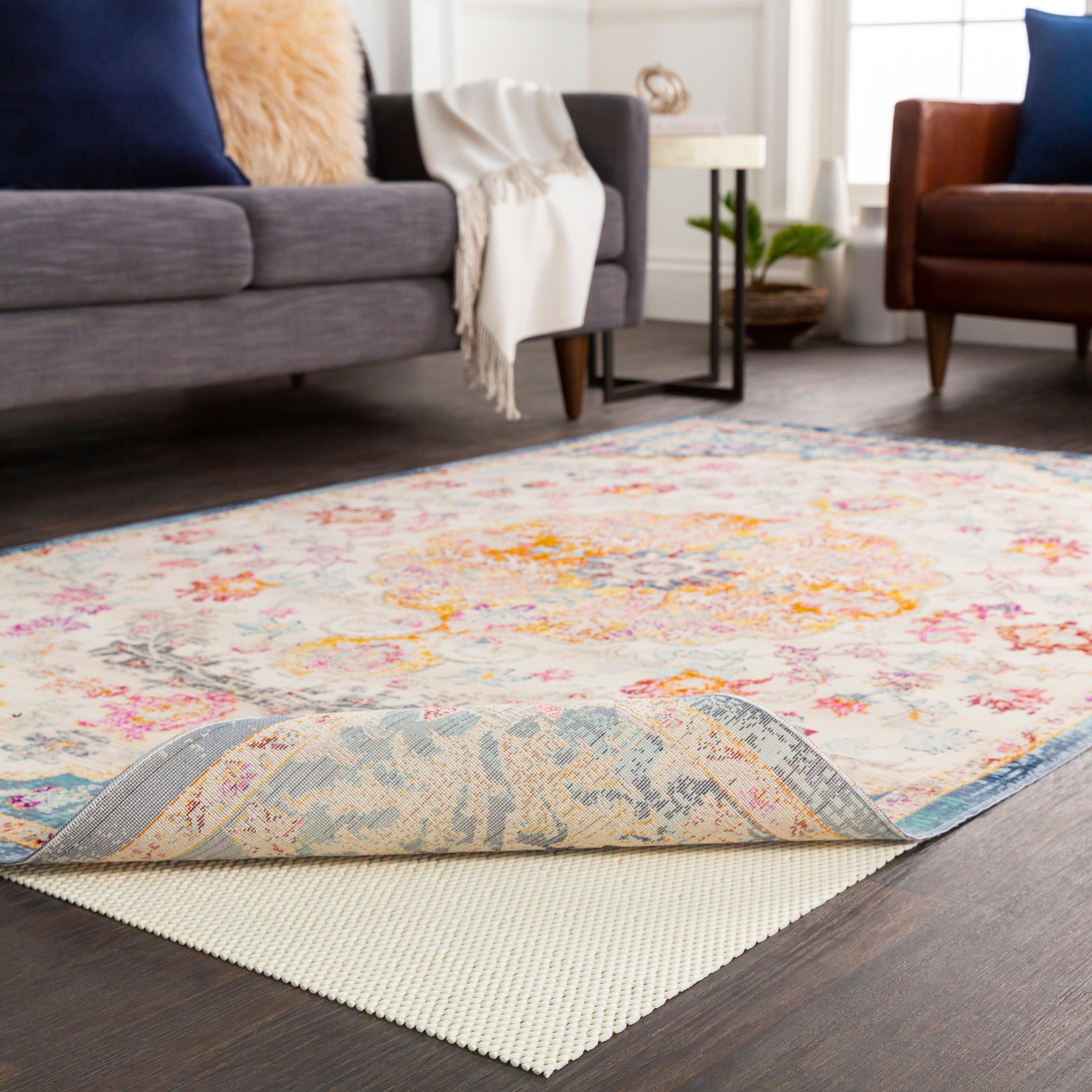
Pile refers to the length of the fibers in a rug. A low pile is short and tight, great for high-traffic areas, while a high pile is long and shaggy. But density is just as important. To check a rug’s density, bend a corner back to see how much of the backing is visible. A high-quality, dense rug will show very little backing because the fibers are packed tightly together. This density not only feels more plush underfoot but also makes the rug more resilient, helping it resist crushing and matting over time.
What Makes a Rug Durable
Durability comes down to materials and construction. Natural fibers like wool are famously resilient and can last for decades. However, don’t overlook synthetics. Modern synthetic fibers are engineered to be highly durable, fade-resistant, and easy to clean, making them perfect for busy households. Many of our washable rugs use these advanced fibers, offering incredible performance without sacrificing style. The right material for you depends on where the rug will live and the kind of foot traffic it will see.
Check the Backing
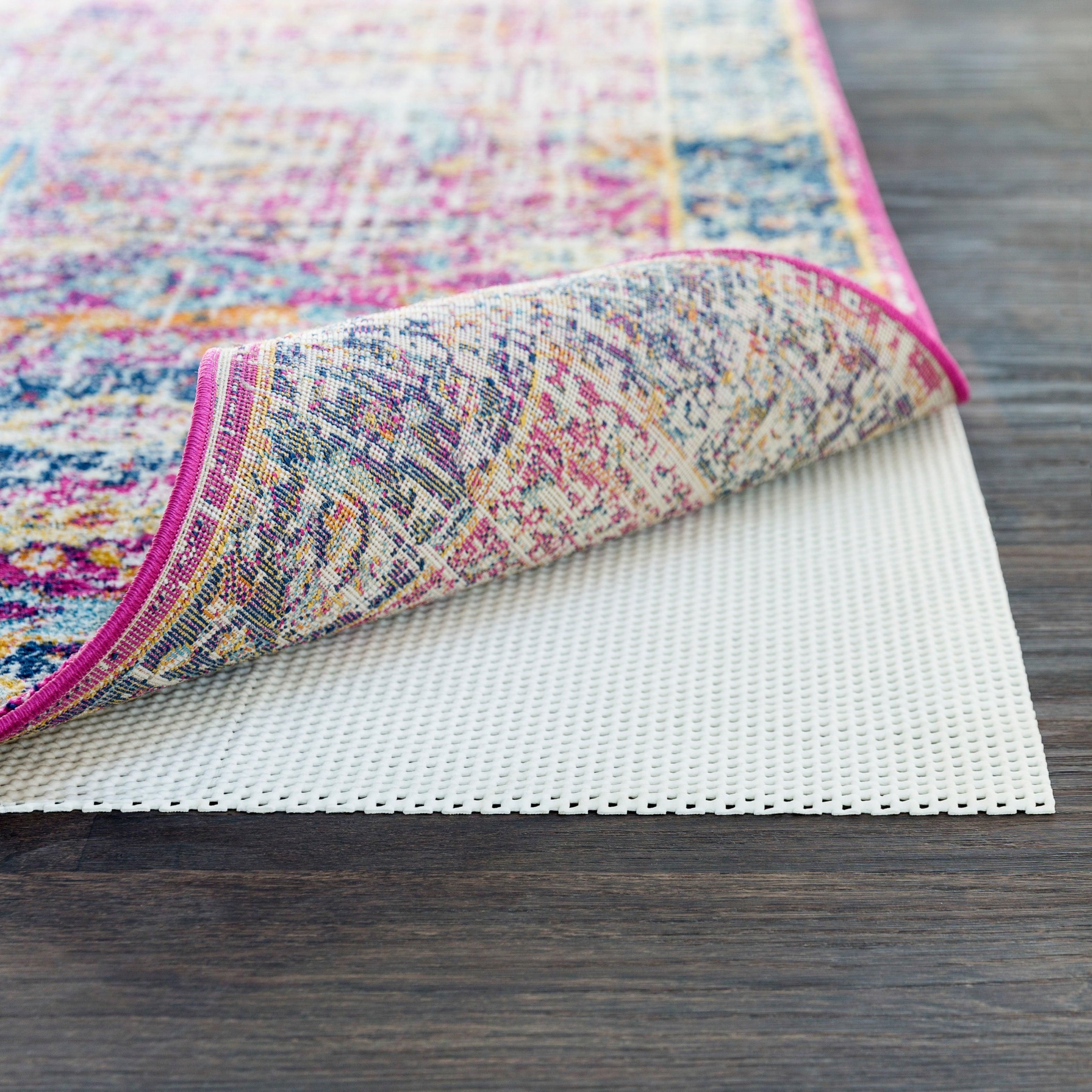
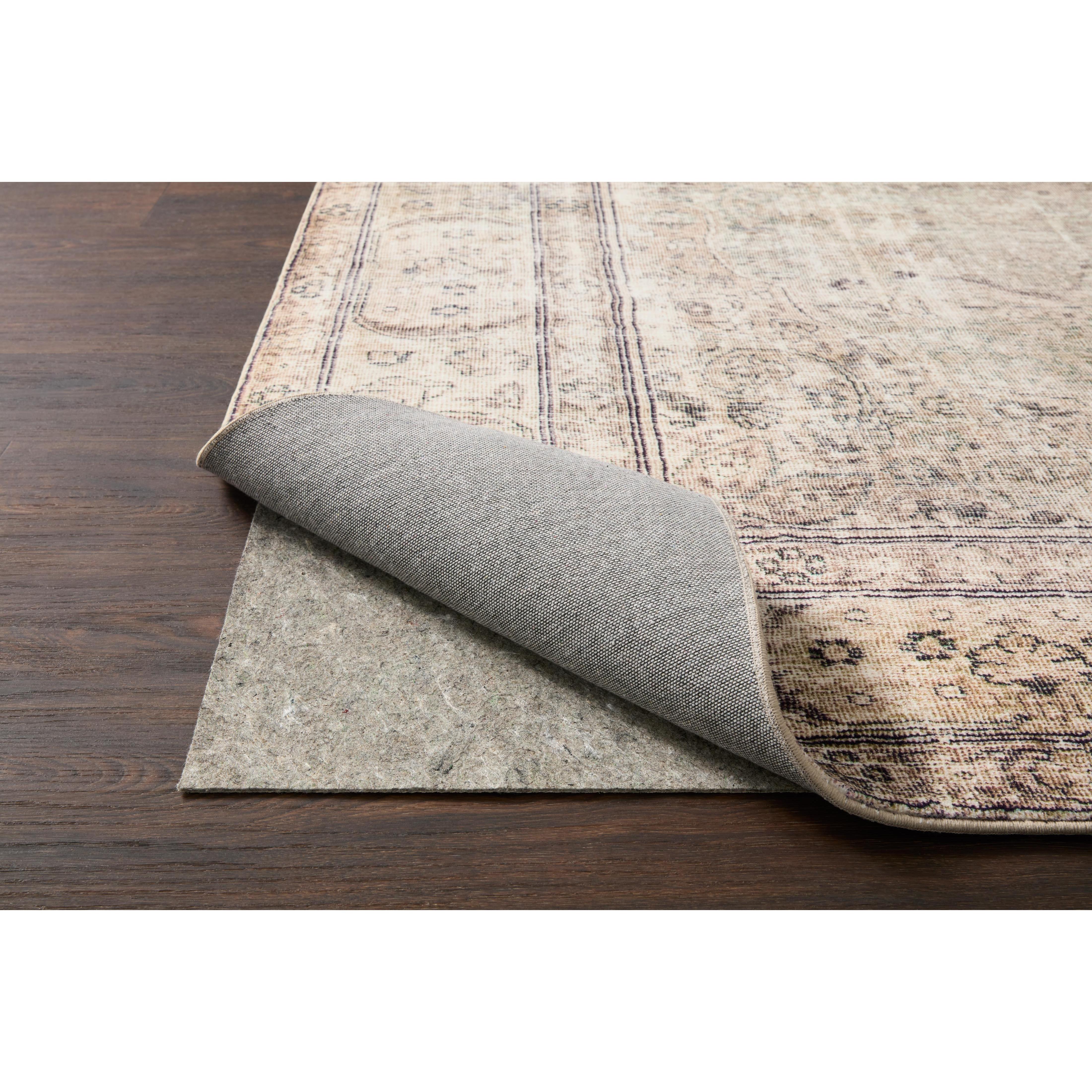
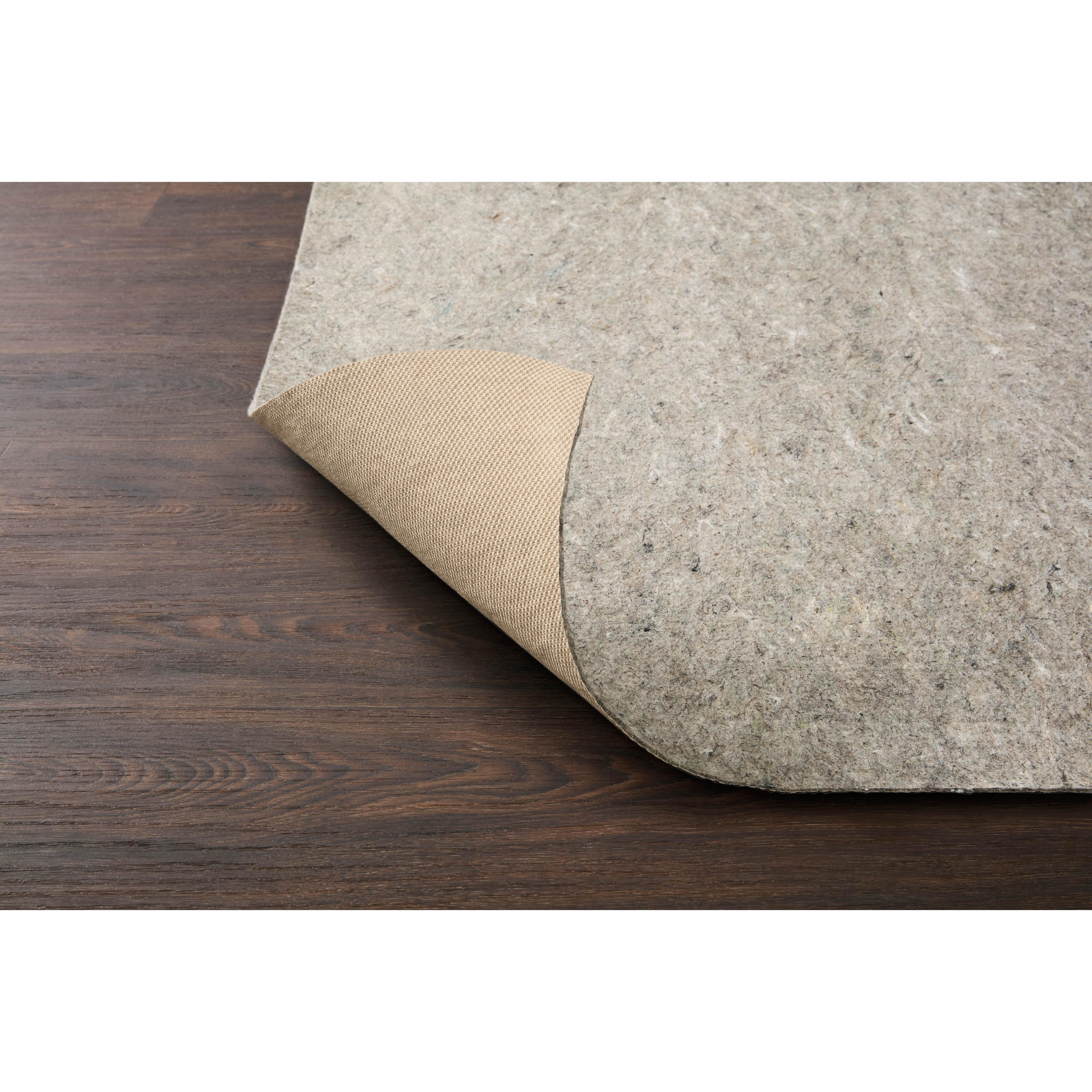
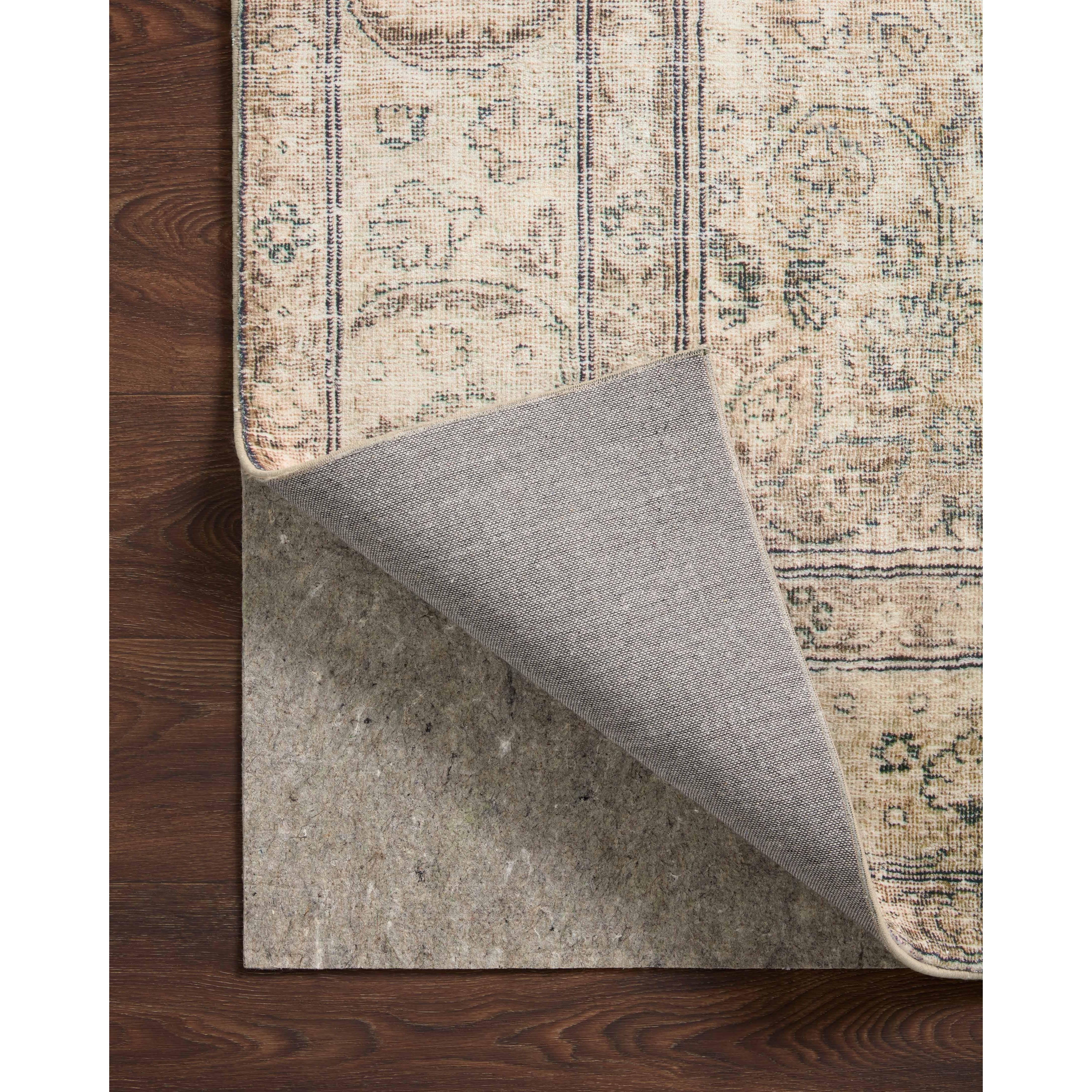
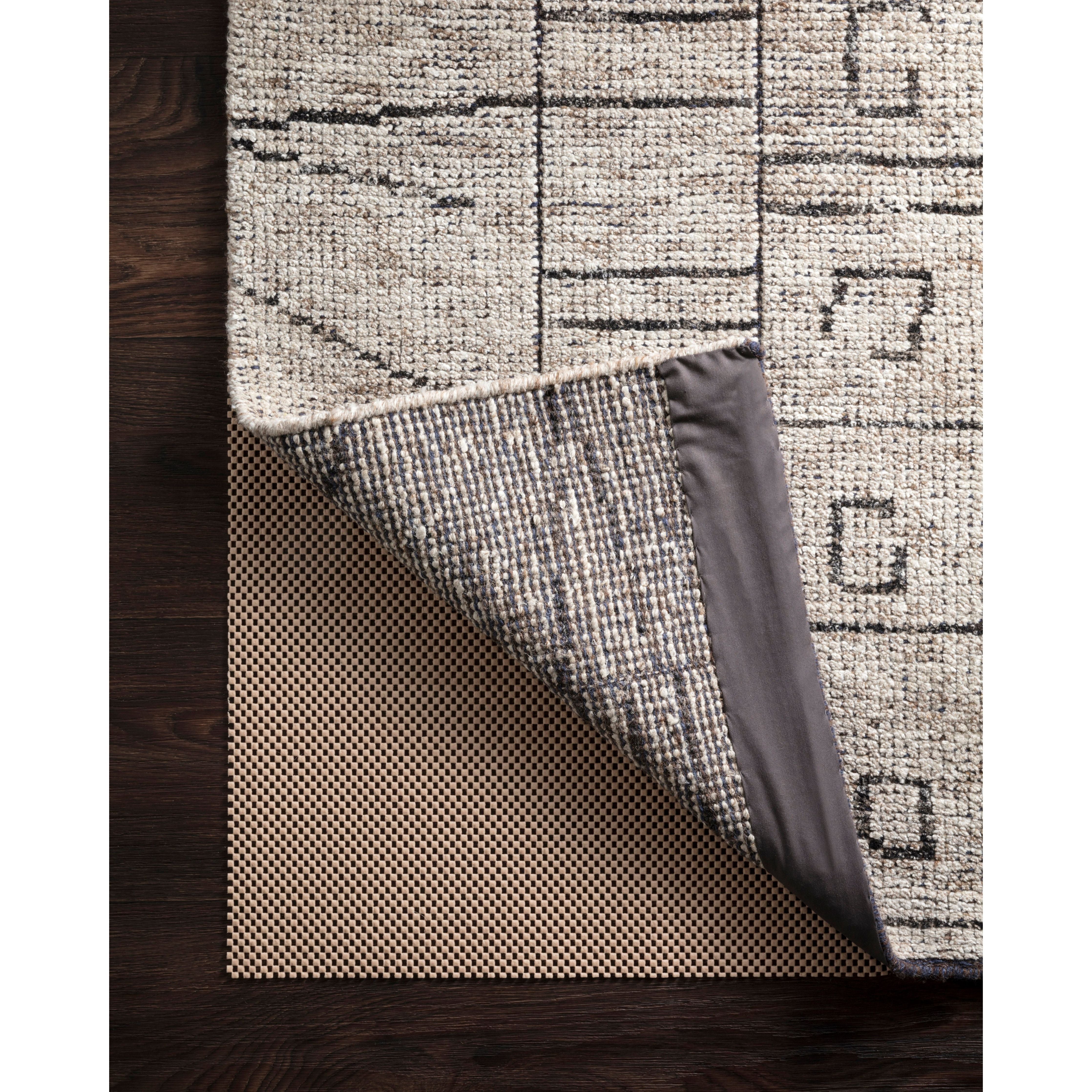
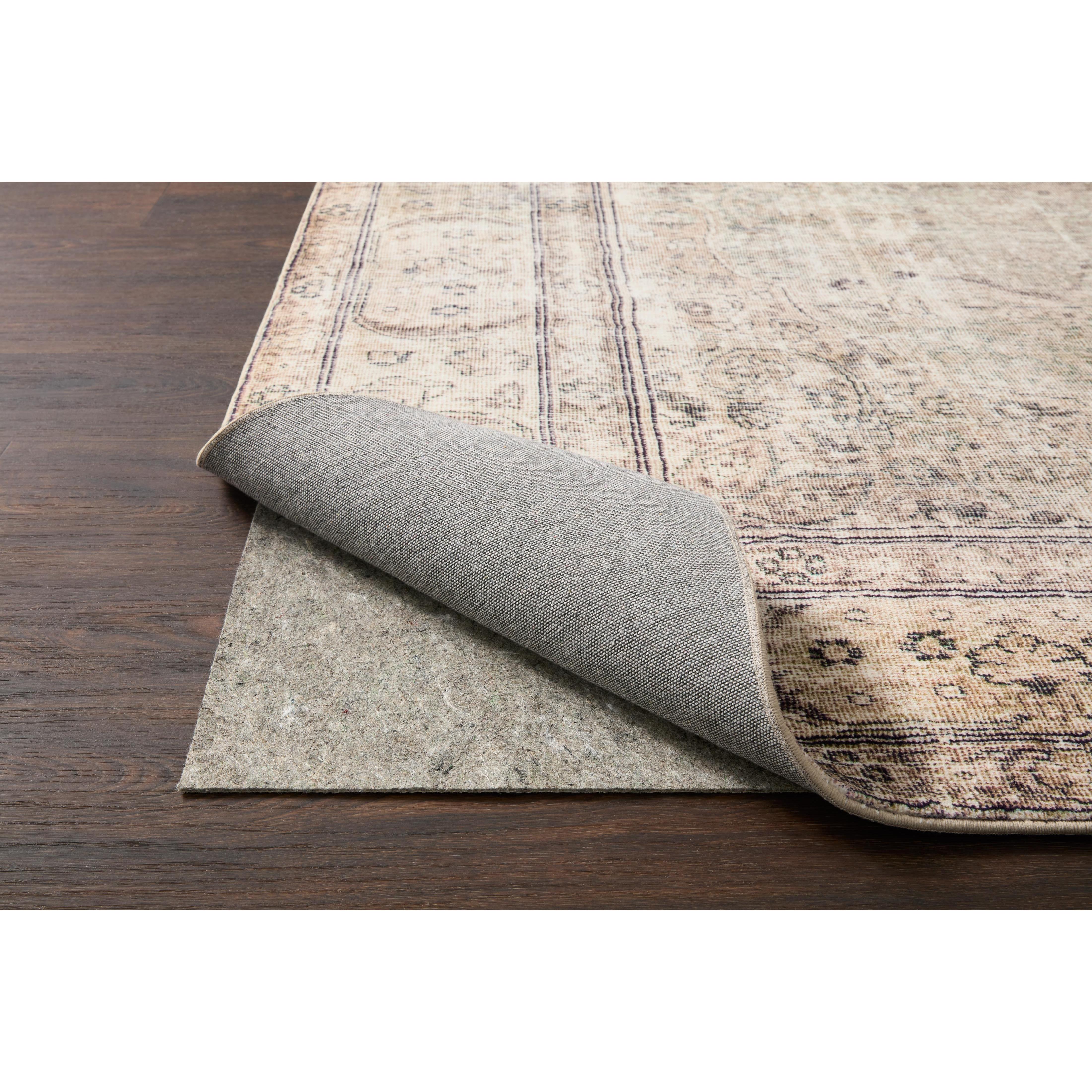
Always flip a rug over to inspect its backing—it’s the foundation that holds everything together. A quality rug will have a sturdy, well-constructed backing that helps it lie flat and maintain its shape. On hand-knotted rugs, you’ll see the mirror image of the pattern on the back. Machine-made rugs often have a jute or latex backing that adds stability. A flimsy or poorly applied backing is a red flag, as it can cause the rug to wrinkle or fall apart prematurely. A solid backing is a sign of quality craftsmanship.
Place Your Rug Like a Pro
You’ve found the perfect rug—now what? Where you place it is just as important as its style and material. The right placement can unify a room, create harmony, and make your space feel both complete and functional. Think of your rug as an anchor for your furniture. Here’s how to get it right in every room.
Living Room Layouts
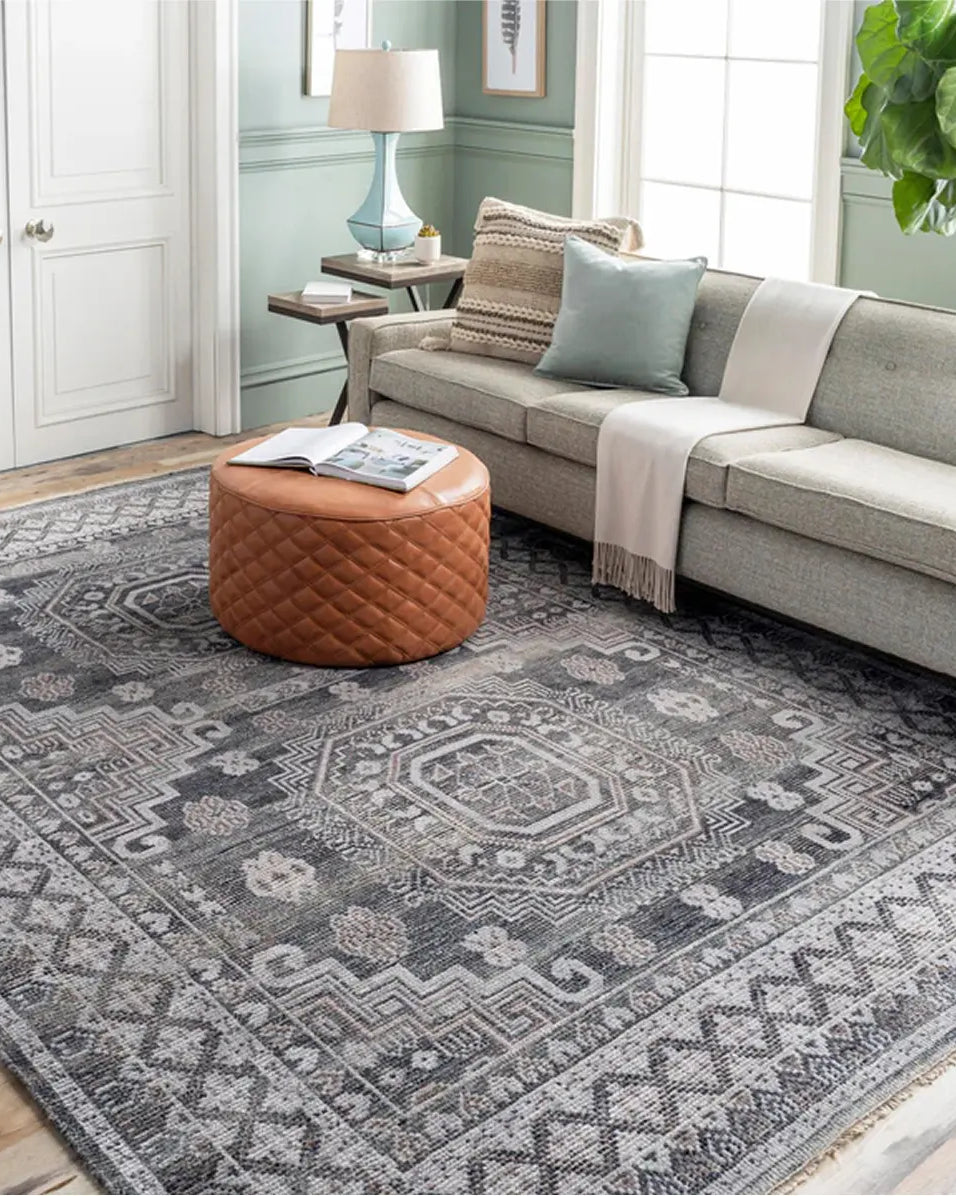
The living room is where everyone gathers, so creating a cozy, connected conversation area is key. The most popular and foolproof method is to anchor the space by placing the front two feet of your couch and chairs on the rug. Your coffee table should sit completely on the rug, tying the whole seating arrangement together. This approach works in most spaces, making the room feel larger and more inviting. If you have a very large room, you can place all furniture entirely on the rug, but avoid the "floating rug" look where only the coffee table sits on a small rug—it can make the space feel disjointed.
Dining Room Rules
In the dining room, function is the top priority. The rug size depends entirely on your dining table. It needs to be big enough so that chairs can slide in and out easily without catching on the rug's edge. A good rule of thumb is to choose a rug that extends about 24 inches beyond the table on all sides. This prevents wobbly chairs and tripping hazards, ensuring your dinner parties go off without a hitch. Also, try to match the rug’s shape to your table's shape. A rectangular table looks best with a rectangular rug, while a round table pairs beautifully with a round one.
Bedroom Setups
Your bedroom should be a soft, serene sanctuary, and the right rug placement can make all the difference. For a luxurious feel, the rug should extend at least 18-24 inches past the foot and sides of your bed. This gives you a soft place to step when you wake up in the morning—a much nicer alternative to cold, hard floors. If you have a smaller room or don't want a large rug, placing two runners on either side of the bed is a great alternative. You’ll still get that cozy landing spot without covering the entire floor.
Define Your Space and Protect Your Floors
Beyond the main rooms, area rugs are fantastic multi-taskers. They add softness and warmth to hard floors and can visually separate different areas in an open-concept home. Use a rug to carve out a reading nook in your living room or define the play area in a family room. They also protect your floors in busy spots like entryways and hallways. For these high-traffic zones, consider durable and easy-to-clean options. Many washable rugs are designed to handle heavy foot traffic while still looking stylish, making them a perfect practical choice.
Keep Your Rug Looking New
You’ve found the perfect rug, and it looks amazing in your space. Now, how do you keep it that way? A little bit of care goes a long way in making sure your rug stays beautiful for years to come. Regular maintenance not only keeps it looking fresh and clean but also protects your investment and extends its life. Think of it less as a chore and more as a simple routine to preserve the piece you love. From routine cleaning to tackling those dreaded "oops" moments, we’ve got you covered. Following a few key practices will ensure your rug remains a stunning centerpiece in your home, handling everything daily life throws its way.
Clean Your Rug Based on Material
Before you tackle any cleaning, the first step is to know what your rug is made of. Different fibers have different needs. For example, synthetic area rugs made from materials like polypropylene are built for durability and can handle more robust cleaning methods, which is why they’re perfect for busy households. On the other hand, natural fibers like wool or silk require a much gentler approach to avoid damaging their delicate structure. Always check the label on the back of your rug for specific care instructions from the manufacturer. This little bit of homework can save you from a costly mistake and keep your rug in top condition.
Treat Stains Immediately
We’ve all been there—a tipped glass of wine or a dropped plate of food. The key to stain removal is speed. The quicker you act, the better your chances of getting the stain out completely. Your first instinct might be to scrub, but that can push the stain deeper into the fibers. Instead, gently blot the spill with a clean, dry cloth, working from the outside in to prevent it from spreading. For homes with kids, pets, or just a lot of activity, washable rugs are a game-changer, allowing you to simply toss them in the machine after a spill.
When to Call a Professional
While many minor spills and general upkeep can be handled at home, some situations are best left to the experts. If you have a rug made from a delicate material like silk, or if you’re dealing with a large, stubborn stain that just won’t budge, it’s wise to call a professional rug cleaner. Trying to tackle a tough job on a high-maintenance rug can sometimes do more harm than good, leading to discoloration or fiber damage. A professional has the right tools and expertise to deep clean your rug safely, restoring its vibrancy and ensuring it lasts for generations. Think of it as a worthwhile investment in a piece you love.
How to Store Your Rug Correctly
If you need to store your rug, whether you’re moving or just swapping it out for the season, doing it properly is crucial to prevent damage. First, make sure the rug is completely clean and dry. Storing a dirty or damp rug is an invitation for mold, mildew, and pests. Once it’s clean, roll it up tightly with the pile facing inward—never fold it. Folding creates deep creases that can permanently damage the rug’s backing and fibers. Wrap the rolled rug in a breathable fabric like a cotton sheet or muslin, and store it in a cool, dry place off the floor.
Shop for Your Rug with Confidence
Buying a rug online can feel like a big decision, but it doesn’t have to be intimidating. When you know what to look for in a product and a retailer, you can click “add to cart” with total peace of mind. It’s all about arming yourself with a little knowledge so you can focus on the fun part: finding a rug you absolutely love. Let’s walk through the final steps to ensure your shopping experience is as smooth as your new plush pile rug.
What to Expect to Pay
Setting a budget is a great first step. The cost of area rugs can range from under $200 to over $10,000, depending on the size, material, and how it was made. A large, hand-knotted wool rug will naturally be more of an investment than a smaller, machine-made synthetic one. Knowing what you’re comfortable spending helps narrow the options from the start. The good news is that with such a wide price range, there is a beautiful, high-quality rug for every budget. You don’t have to break the bank to find a piece that completely transforms your space.
Where to Find Quality Rugs
The best online rug stores make it easy to find what you’re looking for. A quality retailer will offer a diverse inventory with pieces from top brands like Safavieh, Surya, and Loloi. Look for a website that lets you filter your search by size, color, style, and material, so you can quickly find options that fit your criteria. A great selection means you can find everything from durable, washable rugs for the kitchen to a luxurious statement piece for the living room all in one place. This makes the process efficient and helps you compare your top choices side-by-side.
Tips for Buying Rugs Online
When you can’t see a rug in person, the product page is your best friend. Read the description carefully for details on pile height and materials. Customer photos and reviews are also incredibly valuable, as they show how the rug looks in a real home and lighting. Think about how the rug will complement your existing decor, from the throw pillows on your sofa to the lighting fixtures overhead. Taking a moment to visualize the entire room will help you choose a pattern and color palette that ties everything together beautifully.
Check the Return Policy and Warranty
Before you make your final decision, take a quick look at the store’s return policy. A transparent and fair policy shows that the company stands behind its products. Retailers who offer free shipping take one of the biggest hassles out of the equation, saving you money and logistical headaches. This safety net removes the risk from your purchase, so you can feel confident that if the rug isn’t a perfect fit, you have options. It’s the final checkmark that ensures a worry-free and satisfying shopping experience from start to finish.
Style Rugs in Any Space
A great rug isn't just for the living room. While it’s often the star of the show there, think of area rugs as versatile tools that can add comfort, style, and definition to nearly any part of your home—inside and out. They have the power to transform a space from purely functional to warm and inviting. A simple addition can turn a cold hallway into a welcoming path, a stark patio into an outdoor oasis, or a bedroom into a serene retreat. The key is to think beyond the traditional and consider how a rug’s color, texture, and placement can enhance different areas.
Choosing the right rug for each space involves more than just picking a pattern you like. It's about understanding the function of the room and how a rug can support it. In high-traffic areas, you'll want something durable. In a cozy reading nook, you might prioritize plushness. For a dining area, ease of cleaning is paramount. This section will guide you through styling rugs in various spaces, from the main living areas to outdoor decks and narrow entryways. We'll explore how to use rugs to define zones, protect your floors, and ultimately create that cozy, pulled-together feeling that makes a house feel like a home.
For Your Main Living Areas
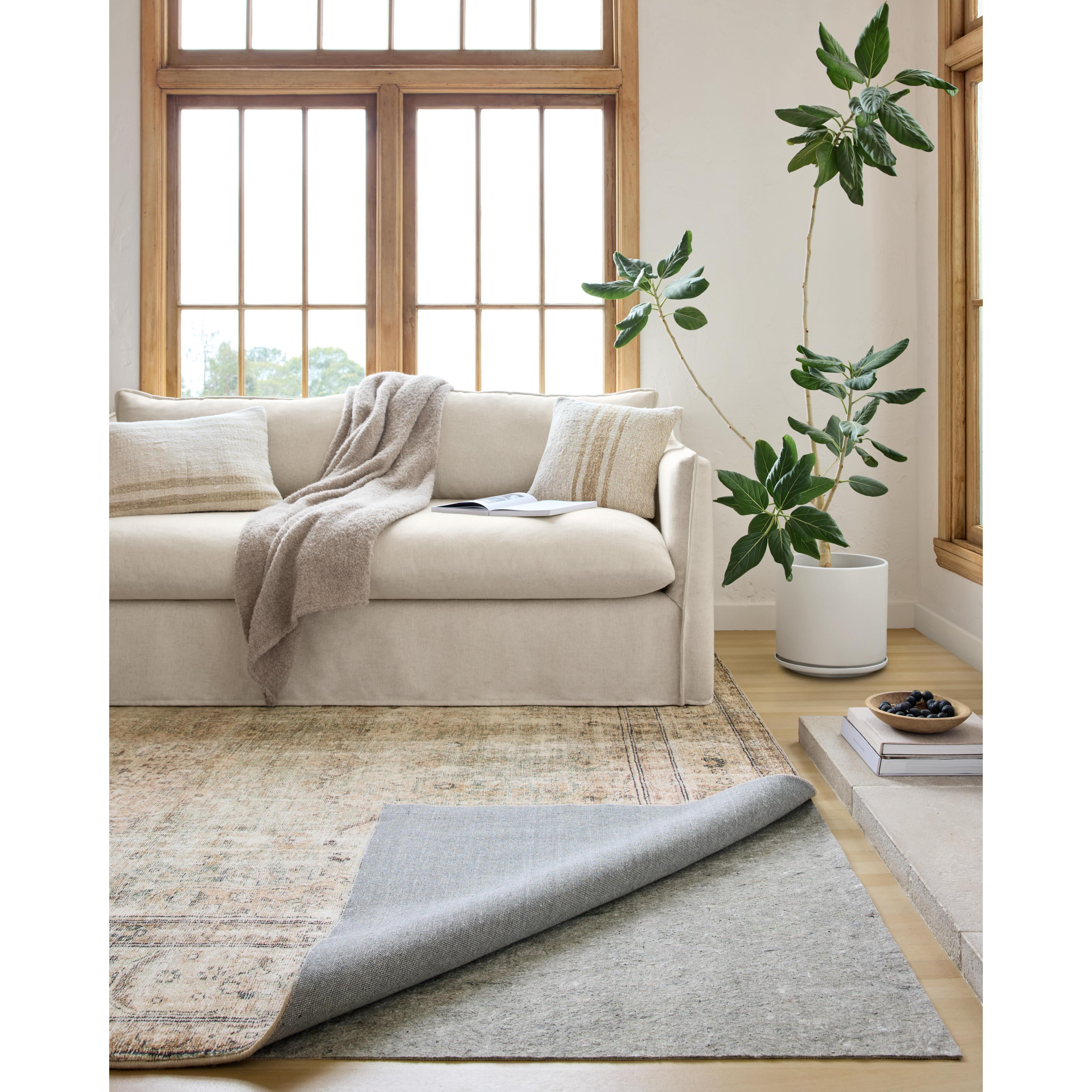
Your living room is where life happens, and the right rug can be the anchor that holds the entire space together. Use a large area rug to add softness and warmth to hardwood or tile floors, creating an instantly cozier atmosphere. In an open-concept layout, a rug is your best friend for defining different zones. You can place one under your seating area to visually separate the living room from the dining space, making each area feel distinct and intentional. It’s the perfect way to create a cozy spot for conversation and relaxation. Think of it as the foundation of your room’s design—a piece that ties all your furniture and decor together into a cohesive, welcoming whole.
For Outdoor Patios and Decks
Why should your indoor spaces have all the fun? An outdoor rug can completely transform your patio, deck, or balcony into a true outdoor living room. The trick is to choose an outdoor-safe rug made from durable, synthetic materials like polypropylene that can handle whatever the weather throws at it. These rugs are designed to resist fading, mold, and mildew, ensuring they look great all season long. An outdoor rug defines the space, adds a layer of comfort underfoot, and introduces color and pattern to your exterior design. It’s the final touch that makes your patio feel like a deliberate, stylish extension of your home, perfect for summer barbecues or quiet morning coffees.
For Hallways and Entryways
Hallways and entryways are often overlooked, but they offer a prime opportunity to make a stylish statement. A runner is the perfect solution for these long, narrow spaces. It protects your floors from heavy foot traffic while guiding the eye and adding a dose of personality. But don't limit them to just the hall! Runners are incredibly versatile and can be used alongside a bed, in front of a kitchen sink, or in a bathroom to provide a soft, stylish landing spot. In an entryway, a beautiful runner sets a welcoming tone for your entire home, offering guests a great first impression the moment they step through the door.
How Rugs Create a Cozy Vibe
Ultimately, a rug does more than just cover the floor—it sets the mood. A well-chosen rug can make a room feel complete, pulled-together, and incredibly cozy. Have you ever walked into a room that felt like something was missing? It probably needed a rug. The right size and style will ground your furniture and add a layer of textural warmth that makes a space feel inviting. On the other hand, the wrong size can make the entire room feel off-balance. For a truly livable and cozy home, consider practical options like washable rugs, which give you that soft, stylish feel without the stress of spills, making them perfect for busy households with kids or pets.
Related Articles
- How to Choose the Perfect Living Room Area Rug
- Why a Rug Pad is Essential and How to Choose One
- 10 Types of Modern Rugs to Spruce Up Your Floors
Frequently Asked Questions
I have kids and pets. What's the best type of rug for a busy, spill-prone home? For homes that see a lot of action, you can't go wrong with synthetic fibers like polypropylene or polyester. These materials are specifically designed to be durable and stain-resistant, so they can handle daily wear and tear with ease. For the ultimate peace of mind, I always recommend looking at washable rugs. They take the stress out of spills because you can simply toss them in the washing machine, making them a perfect, practical choice for kitchens, dining areas, and family rooms.
I'm stuck between two rug sizes. Which one should I choose? When in doubt, always go with the larger size. This is probably the single most important rule in rug shopping. A rug that's too small can make your entire room feel disconnected and smaller than it actually is. The larger rug will do a much better job of anchoring your furniture and unifying the space, which makes the room feel more expansive, cohesive, and intentionally designed.
How can I be sure a rug's color will look right in my room when buying online? This is a common concern, but there are a few tricks to help you feel confident. First, pay close attention to the product description, as it often provides specific color details. The most valuable tool, however, is the customer review section. Look for photos submitted by other buyers to see how the rug looks in different homes and under various lighting conditions. This gives you a much more realistic idea of the rug's true colors than professional product shots alone.
Does a higher price tag always mean a better quality rug? Not necessarily. A rug's price is often determined by its material and construction method. For instance, a hand-knotted wool rug is a significant investment because of the intensive labor and premium natural fibers involved. However, a machine-made synthetic rug can still be a high-quality, durable option that's perfect for a high-traffic area. The "best" rug is the one that fits your lifestyle and your space, and that doesn't always have to be the most expensive one.
Can I layer rugs, or will that look strange? Yes, you absolutely can, and it's a fantastic way to add texture and personality to a room! The key to making it look great is to create contrast. A popular and foolproof method is to start with a large, neutral, low-pile rug made of a natural fiber like jute or sisal. Then, you can layer a smaller, more colorful, or patterned rug on top to define a specific area, like your main seating arrangement.