Your dining room might have the perfect table and chairs, but if it still feels a little incomplete, the missing piece is probably right under your feet. A rug is the single most transformative element you can add to this space. It does more than just add color; it defines the dining area, anchors your furniture, and pulls the entire design together into a cohesive, intentional look. In open-concept homes, it’s the essential element that carves out a dedicated zone for meals and gatherings. Think of the dining room rug under table as the foundation of the room’s style—the piece that makes everything else feel grounded and complete.
Key Takeaways
- Follow the 24-Inch Rule: Your rug should extend at least 24 inches past your table on all sides. This simple guideline is the key to a functional dining space, ensuring chairs can slide out smoothly without snagging.
- Choose a Practical Material: Opt for a low-pile or flatweave rug that allows for easy chair movement and cleanup. Durable materials like synthetics or wool, especially in washable options, are smart choices for this high-traffic, spill-prone area.
- Define Your Space with Style: Use your rug to anchor your dining set and complete the room's aesthetic. Match the rug's shape to your table's shape for a cohesive look, and choose a color or pattern that complements your existing decor.
Why Put a Rug in Your Dining Room?
A dining room rug might seem like just another decorative choice, but it’s one of the most functional and transformative pieces you can add to your space. It’s not just about adding a pop of color or pattern; a well-chosen rug works hard to protect your floors, define your dining area, and create a more comfortable, inviting atmosphere for every meal. Think of it as the foundation that pulls your entire dining setup together, making it feel complete and thoughtfully designed.
Protect Your Floors and Add Comfort
Let’s be practical for a moment. Your dining chairs are constantly being scooted in and out, which can lead to scuffs and scratches on beautiful hardwood or laminate floors over time. A durable area rug acts as a stylish shield, protecting your flooring from daily wear and tear. Beyond protection, a rug adds a layer of softness and warmth underfoot. It makes the space feel cozier and more grounded, turning a simple dining area into a comfortable spot for long conversations over dinner. This small touch of comfort can make a huge difference in how the room feels and is used, making guests want to linger a little longer.
Define Your Space with Style
In many homes, especially those with open-concept layouts, a dining rug is essential for creating visual boundaries. It carves out the dining zone, clearly separating it from the living room or kitchen without needing walls. This simple addition anchors your table and chairs, making the furniture arrangement feel intentional and cohesive. A rug is your chance to inject personality into the room. Whether you opt for a bold pattern to create a focal point or a neutral texture to add subtle elegance, the right rug completes the look and makes your dining space feel like a distinct, beautifully curated area for gathering. It’s the piece that says, "this is where we share meals and make memories."
Soften the Sound
Dining rooms are often filled with hard surfaces—the table, chairs, and flooring—which can cause sound to bounce around, creating an echoey, sometimes loud environment. The clinking of glasses and silverware can feel amplified in a room without soft furnishings. A rug is fantastic at absorbing sound, which helps to dampen noise and reduce echo. This creates a quieter, more intimate atmosphere where conversations can flow easily without you having to raise your voice. It’s a simple acoustic fix that makes the room more pleasant for everything from family dinners to lively get-togethers with friends.
How to Pick the Perfect Rug Size
Choosing the right rug size is the most important step in creating a dining room that feels both beautiful and functional. Think of it as the foundation of your design—get it right, and everything else falls into place. The perfect size will anchor your dining set, define the space, and allow for the smooth, easy movement of chairs. Get it wrong, and the room can feel unbalanced or cramped.
It’s about more than just aesthetics. A properly sized rug ensures your dining chairs don’t get caught on the edge every time someone gets up from the table. It’s a small detail that makes a huge difference in how you experience the room every day. From a simple measuring rule to a clever trick with painter's tape, we’ll walk through everything you need to know to select the perfect area rug with confidence.
Follow the 24-Inch Rule
Here’s the golden rule for dining room rugs: the rug should extend at least 24 inches beyond your dining table on all sides. This simple guideline is your secret to a perfectly proportioned space. Why 24 inches? It’s the magic number that ensures the back legs of a chair remain on the rug, even when someone is pulling it out to sit down or stand up. This prevents wobbly chairs and annoying snags on the rug’s edge.
To put this into practice, measure the length and width of your dining table. Then, add 48 inches to each measurement (24 inches for each side) to find your ideal minimum rug size. This creates a generous and functional border that frames your table beautifully.
Match the Rug to Your Table Shape
For a look that feels intentional and harmonious, match the shape of your rug to the shape of your dining table. This creates a sense of visual symmetry that is instantly pleasing to the eye. If you have a classic rectangular table, a rectangular rug is the natural choice. For a round dining table, a round rug will echo its curves and create a cohesive focal point. The same logic applies to square and oval tables.
While this is a tried-and-true design principle, it’s not an absolute must. A large rectangular rug can sometimes work under a round table in a very large room, but matching the shapes is the easiest way to guarantee a polished and well-put-together look.
Avoid These Common Sizing Mistakes
The biggest mistake you can make is choosing a rug that’s too small. A small rug can make your dining set look like it's floating awkwardly in the middle of the room and will fail its most important job: keeping the chairs on the rug. On the flip side, a rug that’s too big can overwhelm the space and make it feel crowded, especially if it runs right up to the walls.
As a general guideline, try to leave about 18 inches of bare floor between the edges of the rug and the walls of the room. This creates a visual border that helps the room feel open and airy. Finding that "just right" size is key to a balanced and inviting dining area.
Use Tape to Map It Out
Feeling unsure about the measurements? Before you commit to a purchase, grab a roll of painter's tape. Once you’ve calculated your ideal rug dimensions using the 24-inch rule, use the tape to mark out the perimeter on your floor. This simple trick is a game-changer because it allows you to visualize exactly how the rug will fit in your space.
Live with the taped-off area for a day or two. Walk around it, pull the chairs out, and see how it feels. Does it leave enough room for walkways? Does it look balanced with your other furniture? This little bit of prep work helps you confirm your choice and buy your new rug with total confidence.
Find the Right Material for Your Dining Room Rug
The dining room is a hub of activity, which means it's also a high-risk zone for spills and messes. Choosing the right material for your rug isn't just about looks; it's about finding a durable, easy-to-clean option that fits your lifestyle. The material you select will determine how well your rug holds up to daily use, from sliding chairs to the occasional dropped meatball. Think about it: this rug will have chairs constantly scraping across it and will likely be the landing pad for everything from wine to spaghetti sauce. That's why material matters so much here. It's the difference between a rug that looks beautiful for years and one that becomes a source of stress.
When you're shopping, you'll come across a wide range of materials, from natural fibers like wool and jute to synthetic options like polypropylene and polyester. Each has its own set of strengths. Natural fibers often bring a rich texture and inherent durability, while synthetics are engineered for maximum stain resistance and easy care. Your choice will depend on your household's needs. Do you have young children or pets? Do you host dinner parties frequently? Answering these questions will help you narrow down the options and find a material that not only complements your decor but also stands up to the demands of your daily life. Let's break down the most popular choices to help you find the perfect fit for your home.
Durable Natural Fibers
When you think of natural fibers, wool is often the first to come to mind, and for good reason. Wool is incredibly durable and resilient, making it a fantastic choice for high-traffic areas like the dining room. Its natural fibers have a built-in resistance to crushing and compacting, so it can handle the constant movement of chairs without showing wear and tear. Wool also has a natural coating that helps repel stains, giving you a little extra time to clean up spills before they set. While it can be more of an investment, a quality wool rug is a timeless piece that can last for years with proper care.
Easy-Care Synthetics and Washable Rugs
If your top priority is easy maintenance, synthetic rugs are your best friend. Materials like polypropylene are true champions when it comes to durability. They are designed to resist wear, fading, and stains, making them ideal for busy dining rooms where spills are inevitable. Synthetics are also incredibly easy to clean, often requiring just a simple spot treatment. For the ultimate peace of mind, you can find many stylish washable rugs that simplify cleanup entirely. When a major spill happens, you can simply toss it in the washing machine, which is a game-changer for any active household.
The Best Choices for Kids and Pets
Life with kids and pets means preparing for the unexpected. In the dining room, that means choosing a rug that can withstand tracked-in dirt, spilled drinks, and pet hair. While wool is durable, synthetic options are often the more practical choice for a family-friendly home. Polypropylene and other synthetic fibers offer superior stain resistance and are much easier to clean on the fly. A low-pile, washable rug is often the top contender, as it combines durability with the convenience of a deep clean whenever you need it. This choice helps keep your dining space fresh and worry-free, no matter what life throws at it.
Consider Durability and Cleaning
Ultimately, the best dining room rug is one that balances style with practicality. Your rug needs to endure chairs being pushed back and forth multiple times a day and survive the occasional food or drink spill. Before you buy, always check the cleaning instructions. Can it be spot-cleaned easily, or does it require professional care? Choosing a material known for its resilience will ensure your rug maintains its appearance and doesn't become a source of stress. A durable, easy-to-clean rug is an investment in both your home’s style and your peace of mind, letting you enjoy your meals without worrying about messes.
Choose the Right Pile Height
Pile height refers to the thickness or length of the rug's fibers, and in a dining room, it’s a crucial detail. Always opt for a flatweave or low-pile rug. This practical choice makes it much easier to slide chairs in and out without snagging or creating resistance. A lower pile is also significantly easier to clean. Crumbs and dirt will sit on the surface instead of getting trapped deep within the fibers, making vacuuming much more effective. High-pile or shag area rugs may feel luxurious underfoot, but they are simply not practical for a dining space where function is just as important as form.
Select a Style and Design
Once you’ve figured out the right size and material, it’s time for the fun part: choosing a style that brings your dining room to life. The right rug does more than just sit under your table; it anchors the space, adds personality, and ties all your design elements together. Think of it as the foundation of your room’s aesthetic. Whether you want to make a bold statement or create a calm, cohesive look, the style, color, and pattern of your rug will play a huge role in setting the tone.
Match Your Rug to Your Room's Style
Your dining room rug should feel like it belongs. Take a look at your existing furniture, wall color, and decor. Is your style modern and minimalist, or more traditional and cozy? The rug's color, pattern, and texture should complement your furniture and walls, not clash with them. For a cohesive look, pull a secondary color from your curtains or artwork and find a rug that features it. If you have a room with a lot of solid colors, a patterned rug can add visual interest. Conversely, if your space is already busy with patterns, a simple, neutral area rug can provide a calming balance. The goal is to create a harmonious space where every piece works together.
Choose a Color and Pattern
Color and pattern have a major impact on a room's atmosphere. Darker rugs are fantastic for hiding spills and can make a large room feel cozier, while lighter rugs can brighten up a dining space and make it feel more open and airy. If you’re worried about stains but love a brighter look, consider a patterned rug. A beautiful design can cleverly disguise crumbs and minor mishaps between cleanings. A bold, geometric pattern can serve as a stunning focal point, while a more subtle, traditional design adds elegance without overwhelming the room. Patterned rugs in neutral colors often provide the perfect balance, offering visual texture while remaining versatile.
Think About Texture
Texture is about more than just how a rug feels underfoot; it’s also about function, especially in a dining room. You’ll want to choose a flatwoven or low-pile rug. These smoother surfaces make it much easier to slide chairs in and out without snagging. High-pile or shag rugs might feel luxurious, but they can be a real headache when a chair leg gets caught or food gets trapped deep in the fibers. Low-pile rugs are also significantly simpler to keep clean, which is a huge plus in an area prone to spills. Many durable and stylish washable rugs have a low pile, making them an excellent, practical choice for busy households.
Pair the Rug Shape with Your Room
A simple rule of thumb is to match the shape of your rug to the shape of your dining table. This creates a sense of visual harmony and intentional design. Round rugs are a perfect match for round tables, especially in smaller or square-shaped rooms, as they create a feeling of intimacy. Rectangular rugs are the classic choice for rectangular and oval tables, reinforcing the linear shape of the room and table. An oval rug can also work beautifully with an oval table, softening the look. Following this guideline ensures your dining set looks balanced and well-proportioned, making the entire space feel more put-together.
Must-Have Features for a Dining Room Rug
Once you’ve settled on the right size and material, a few key features can make or break your dining room rug experience. The dining room is a high-traffic area with a unique set of challenges—think sliding chairs and inevitable spills. Focusing on these practical details will ensure your rug is not only beautiful but also functional and safe for years to come.
Look for Non-Slip Features
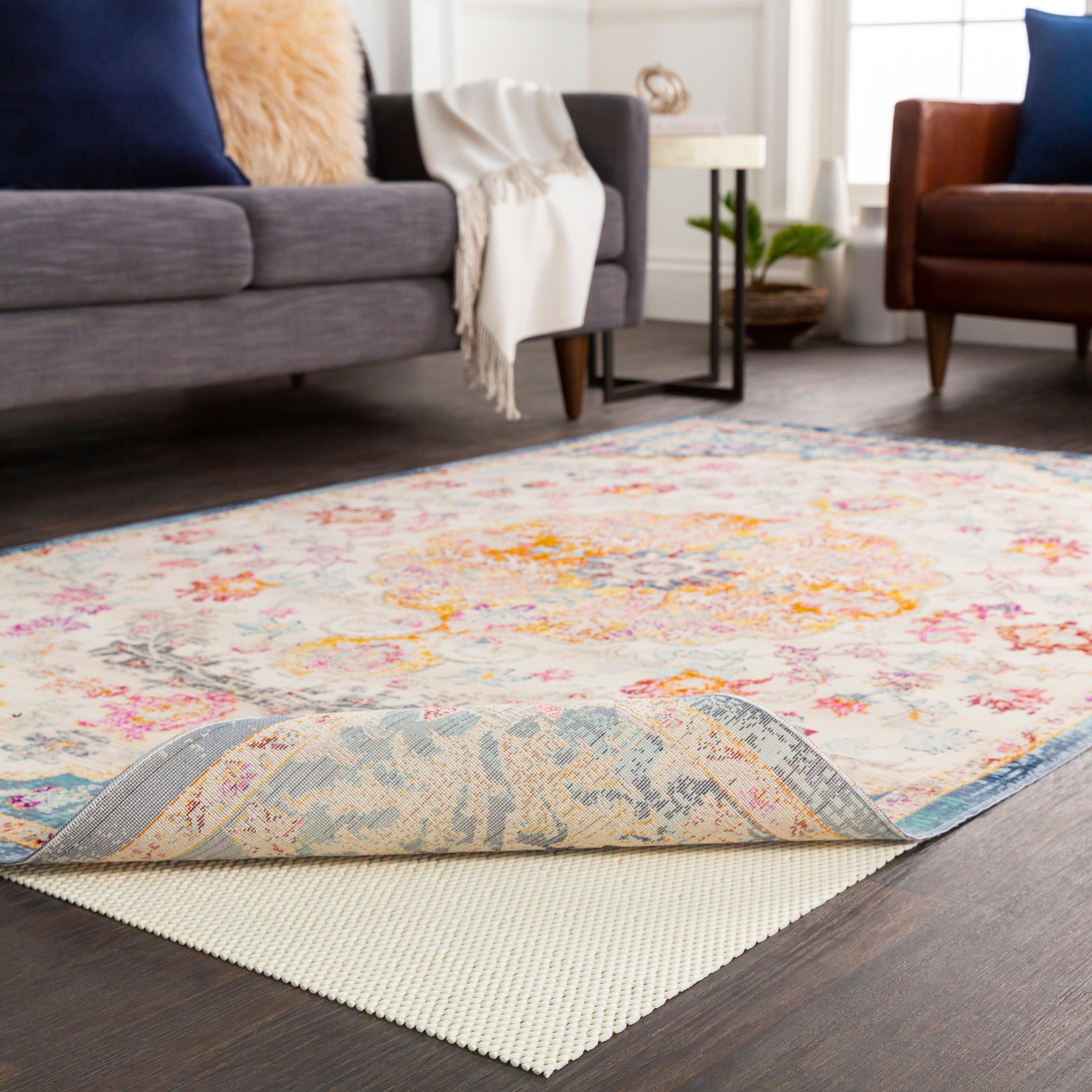
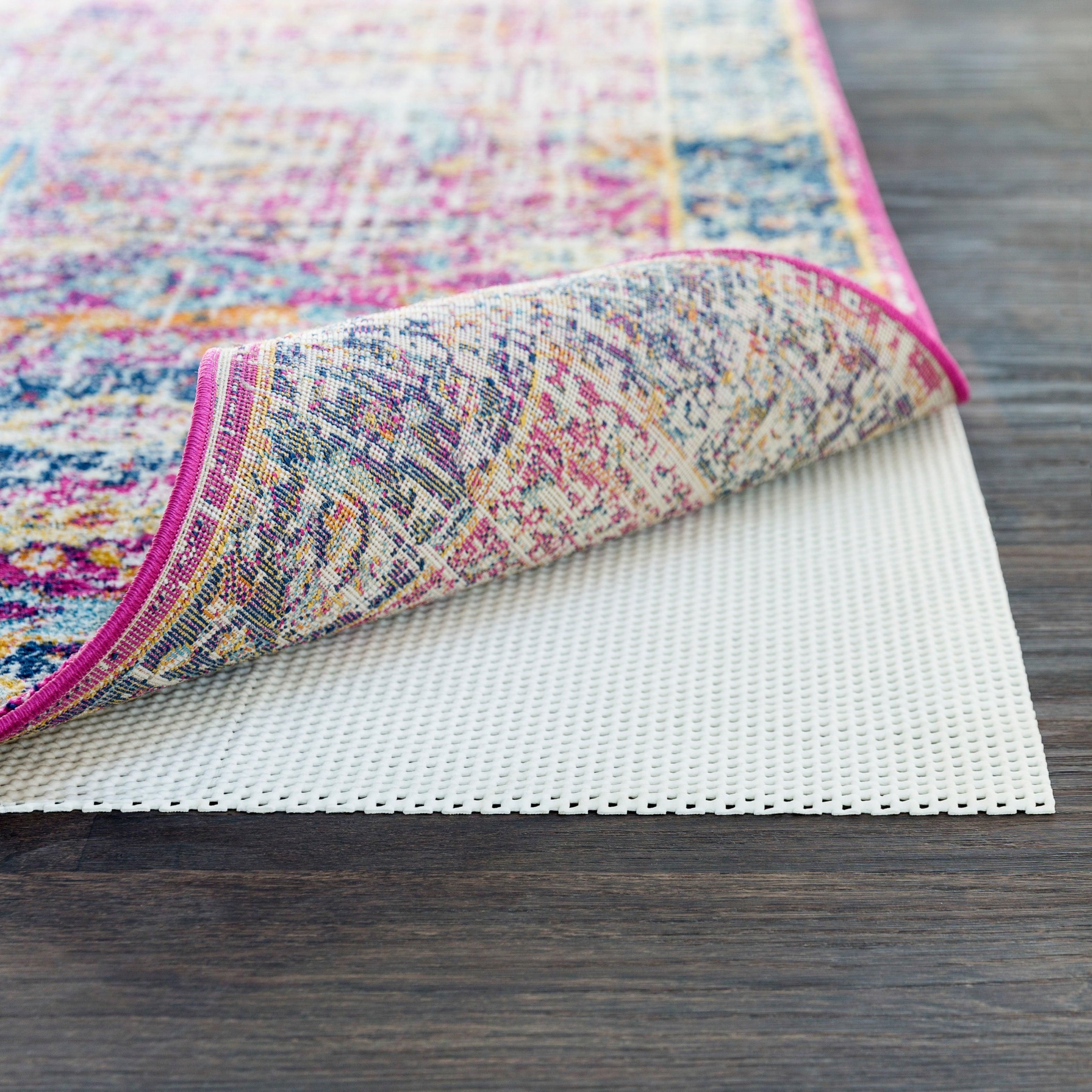
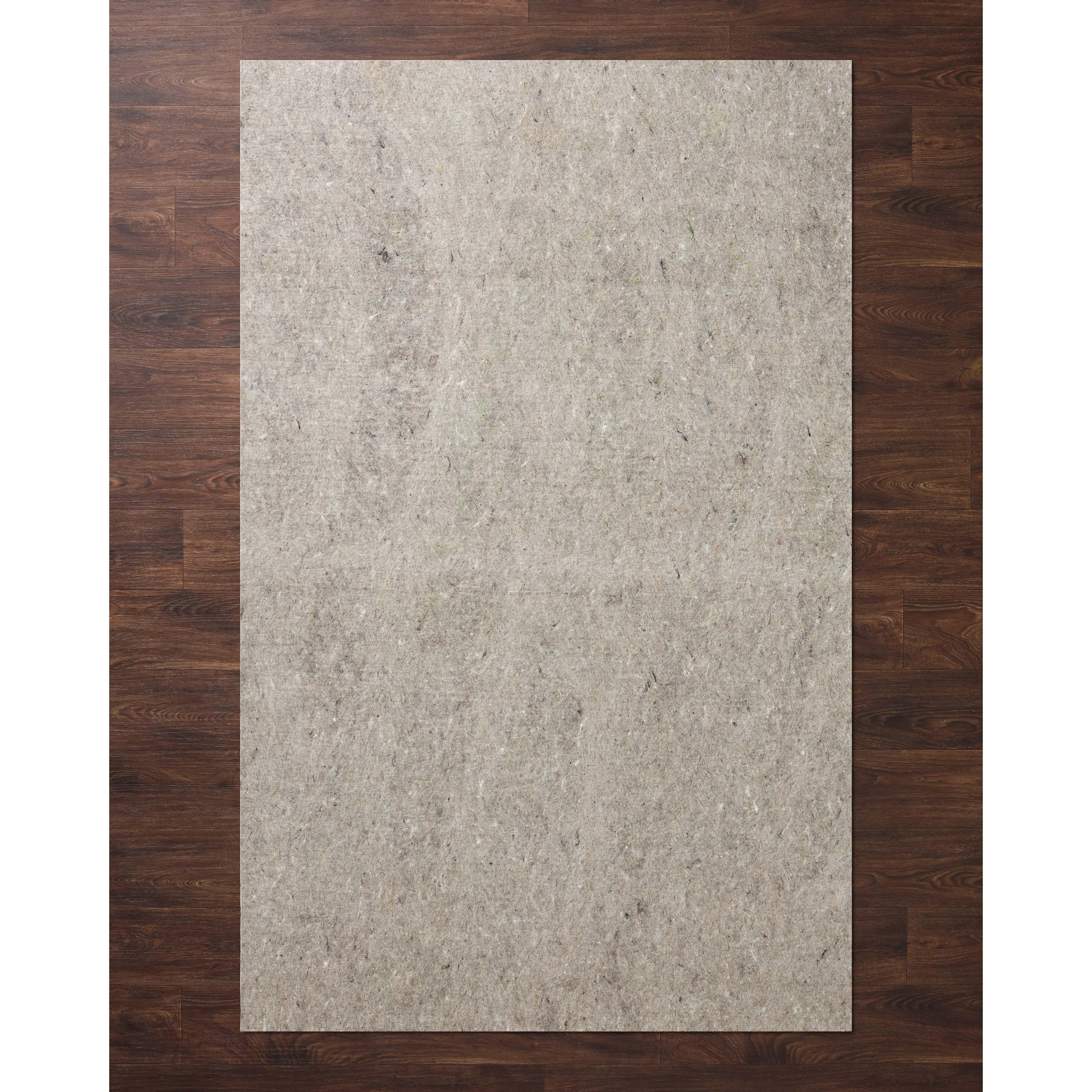
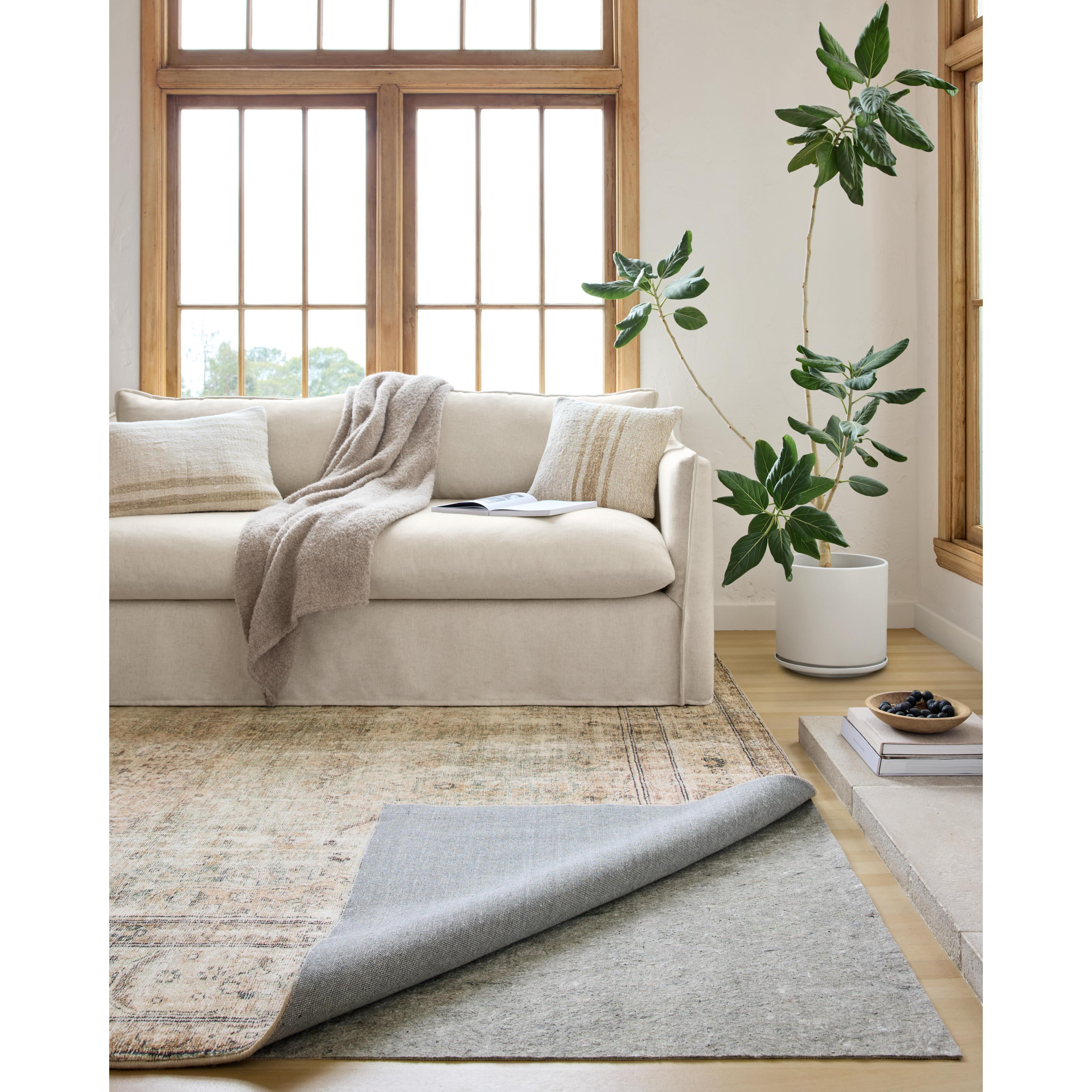
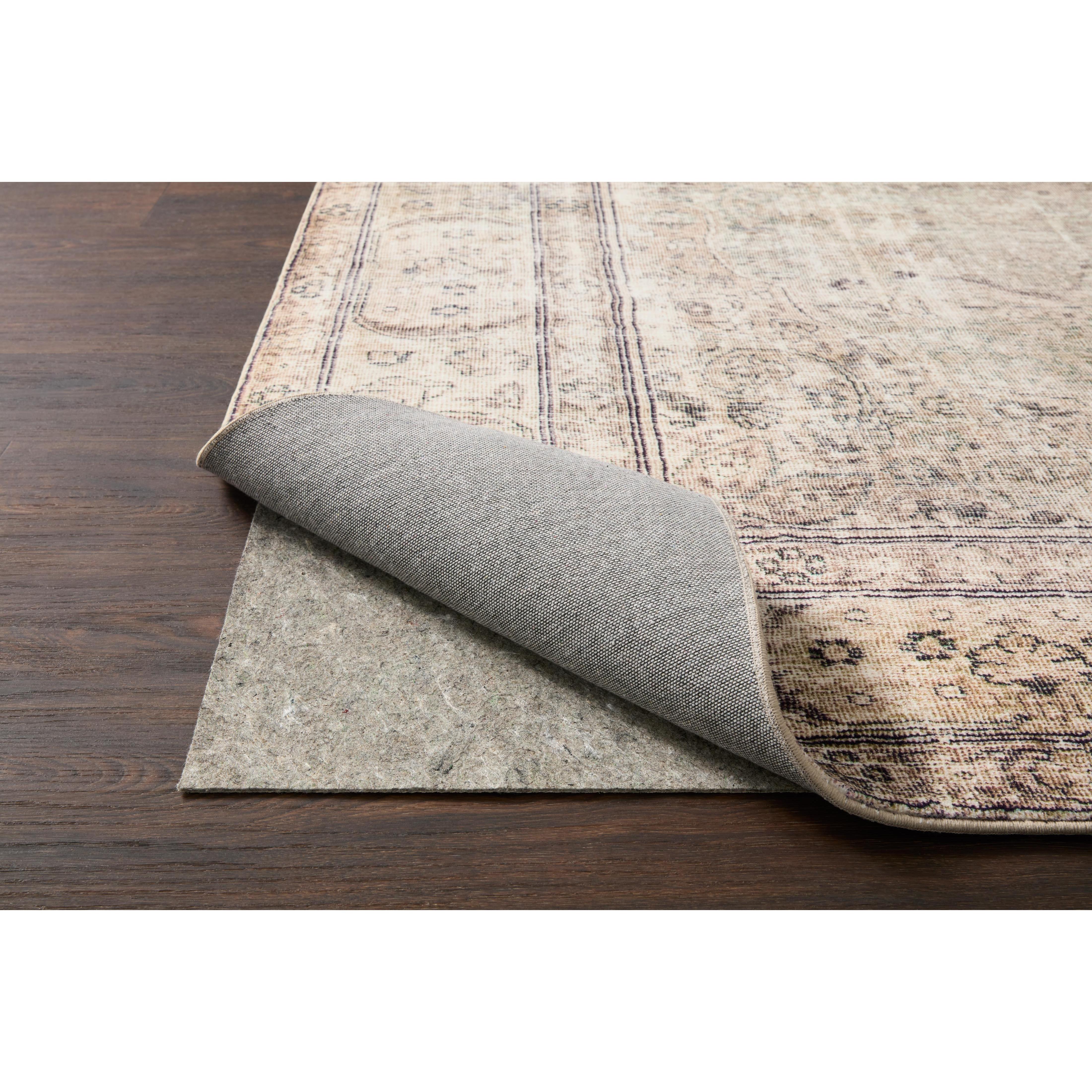
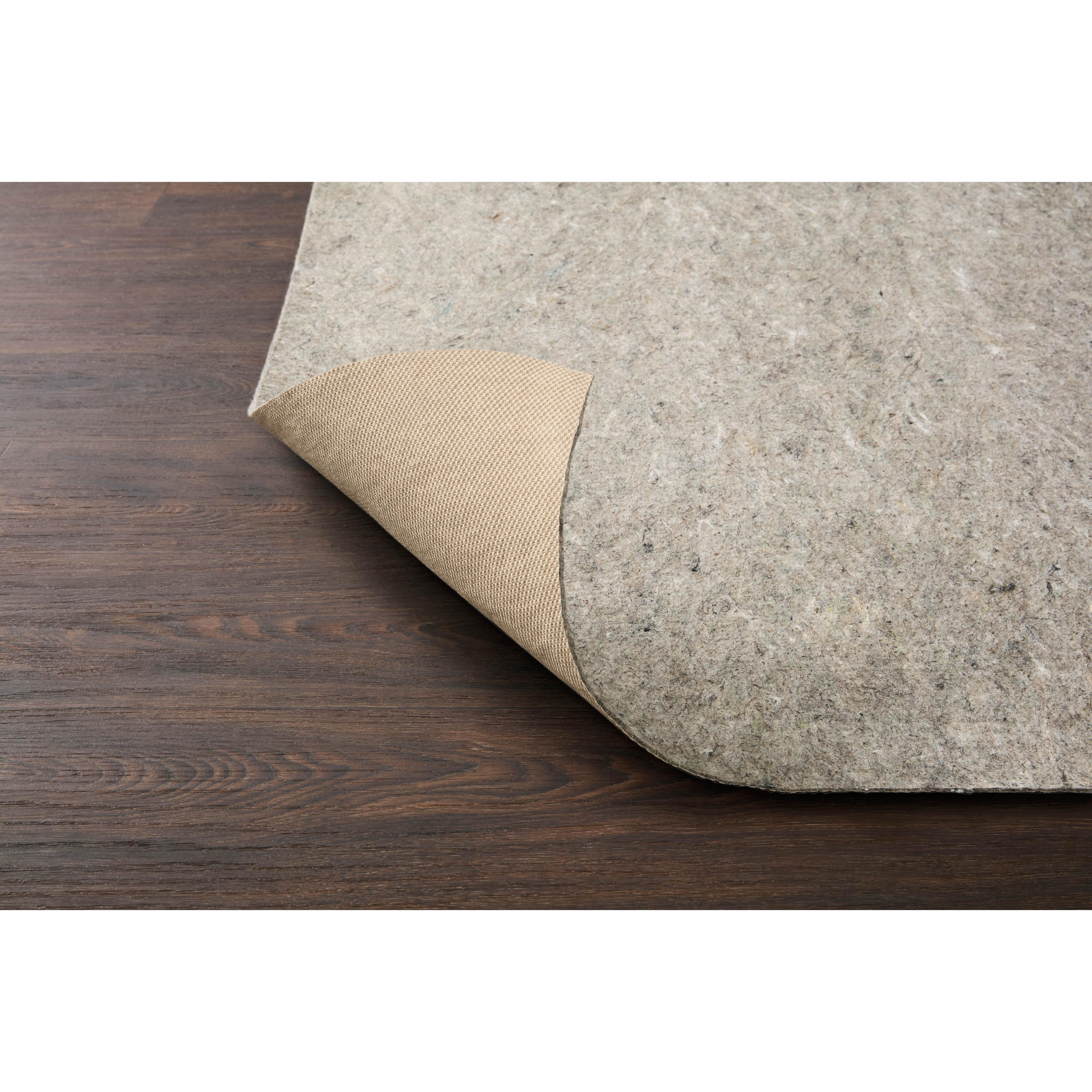
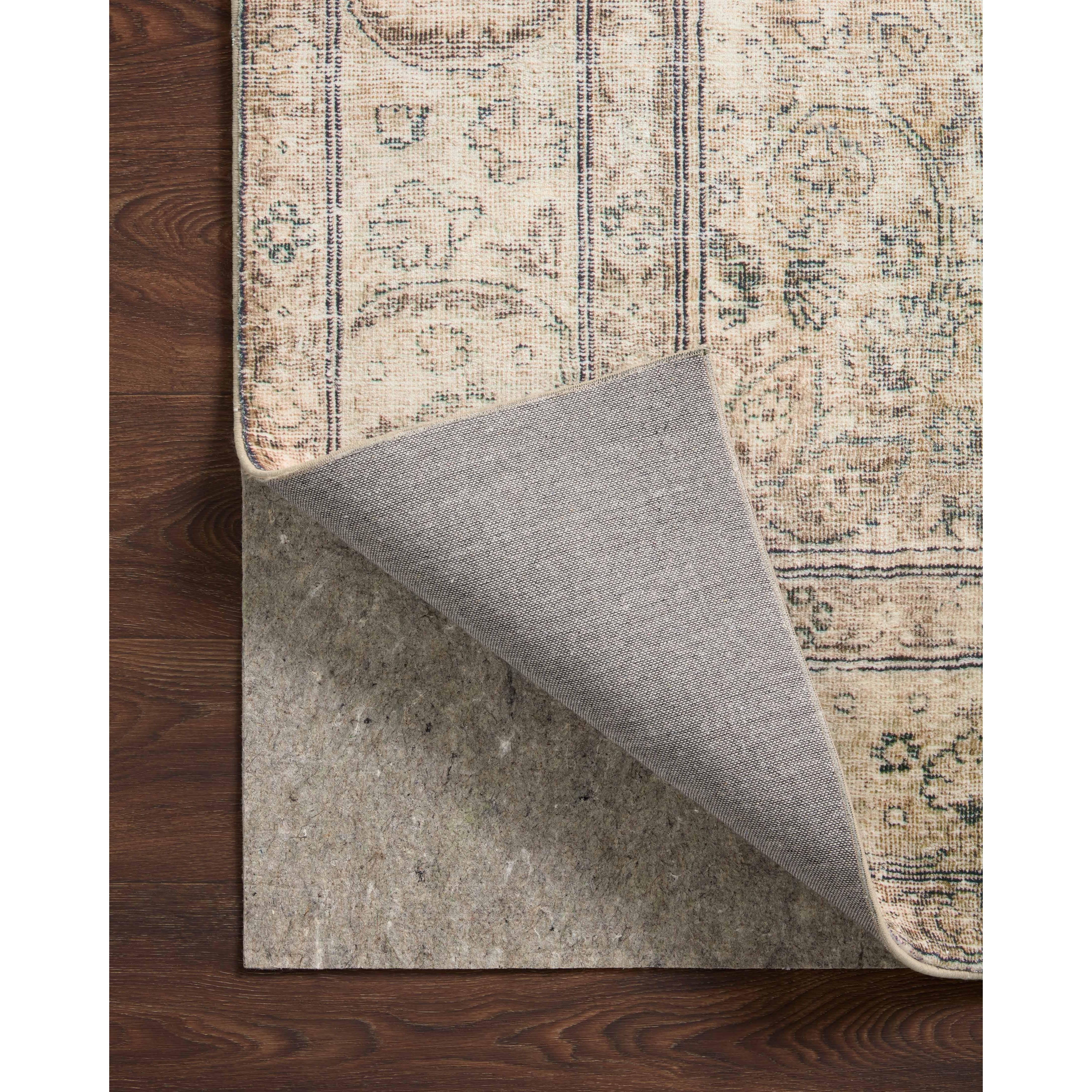
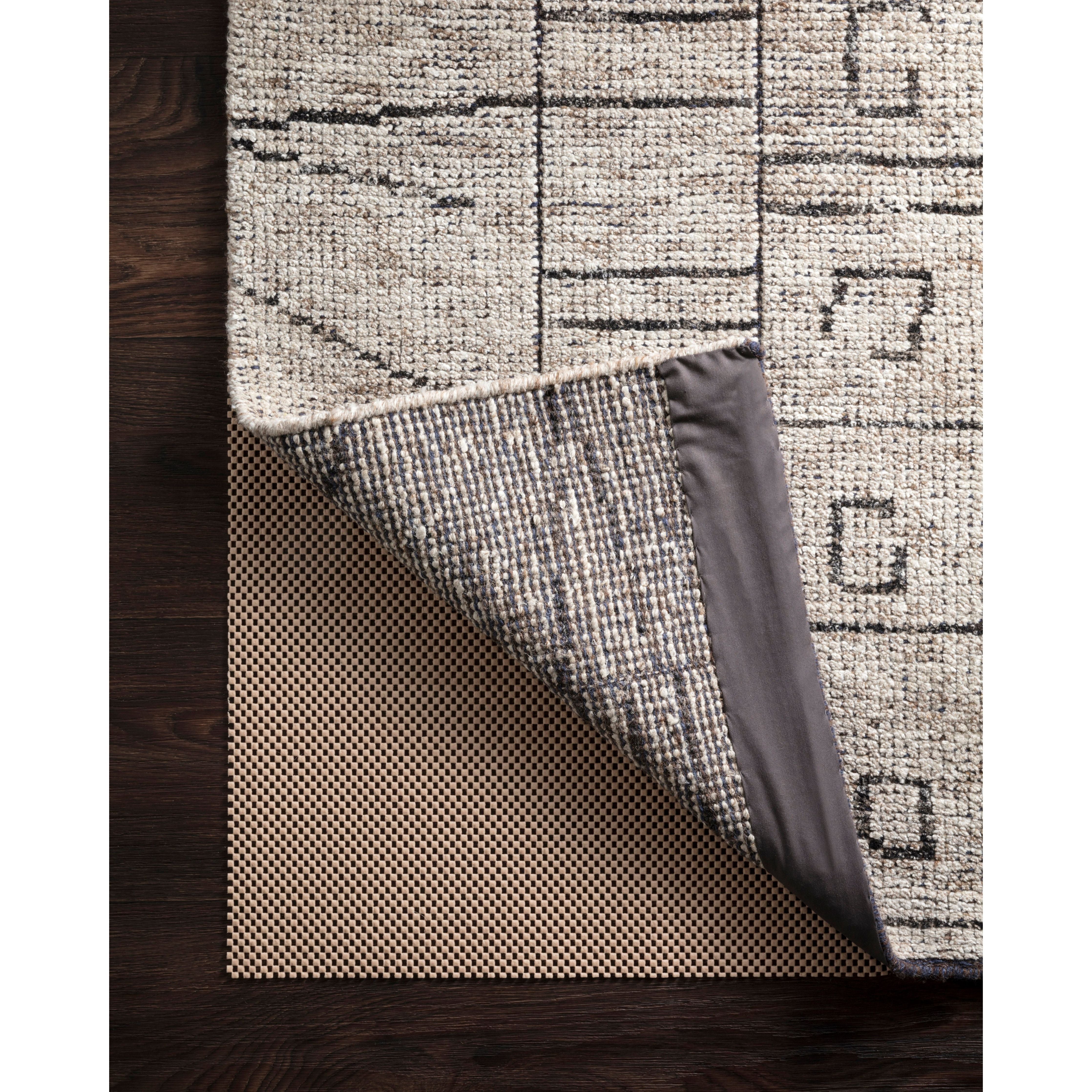
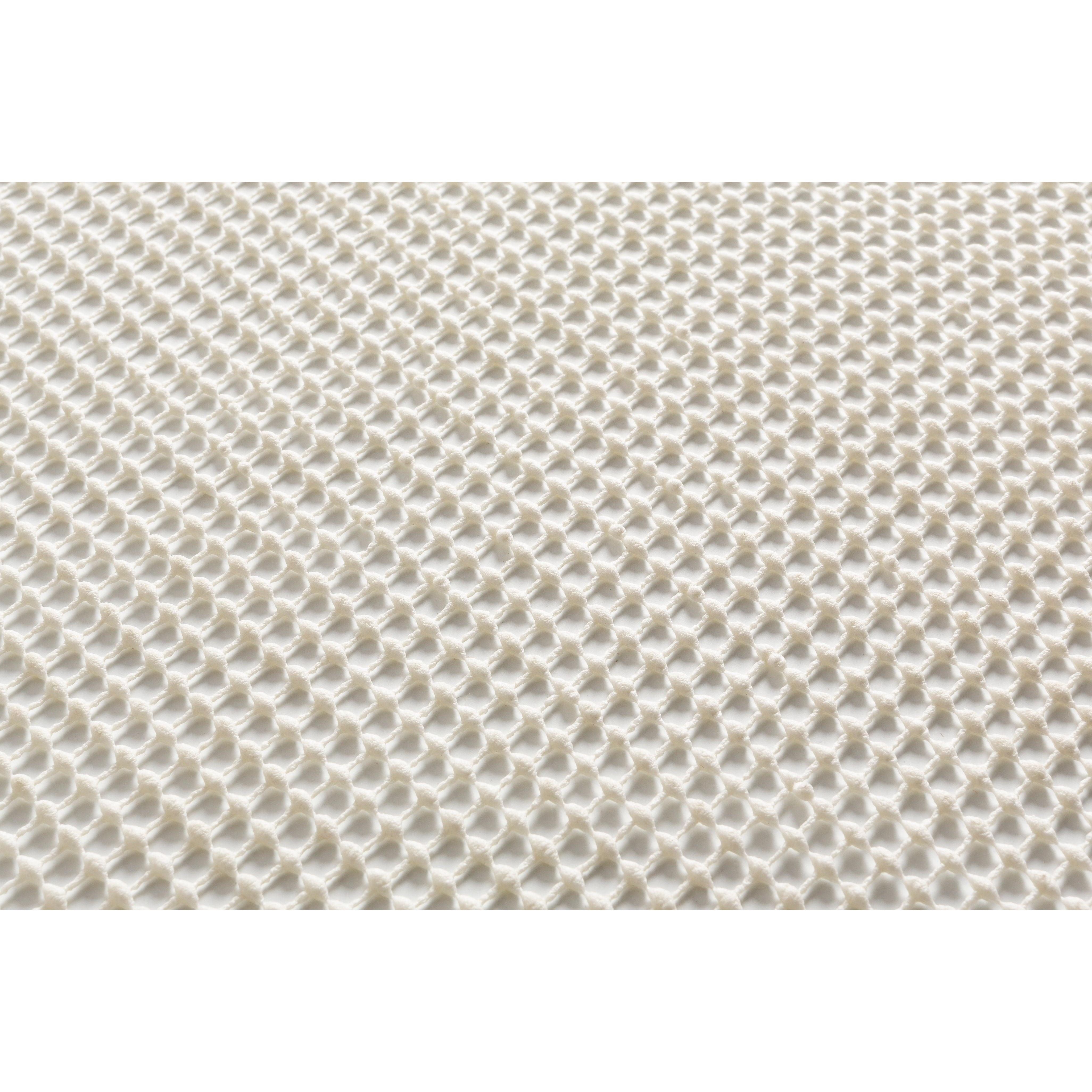
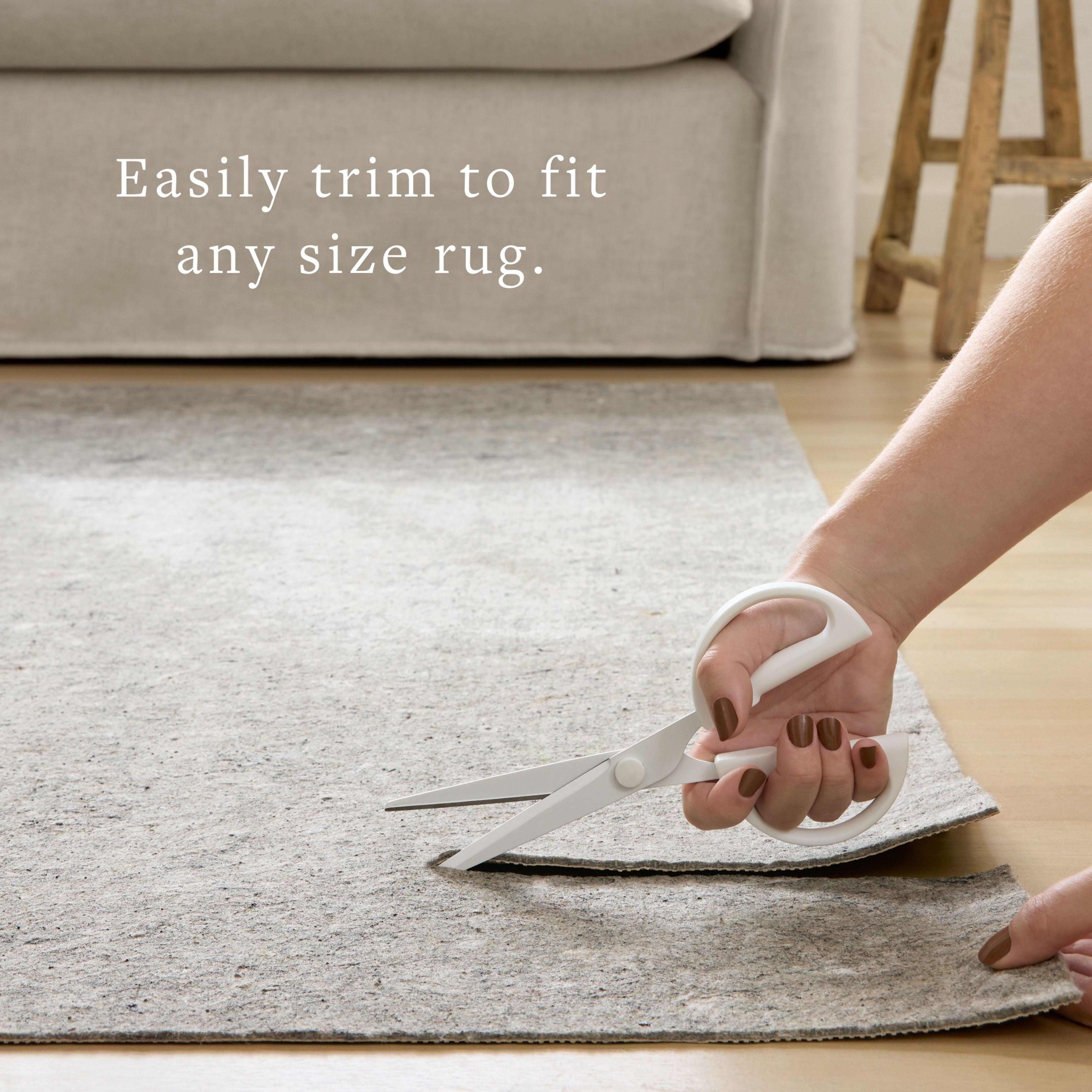
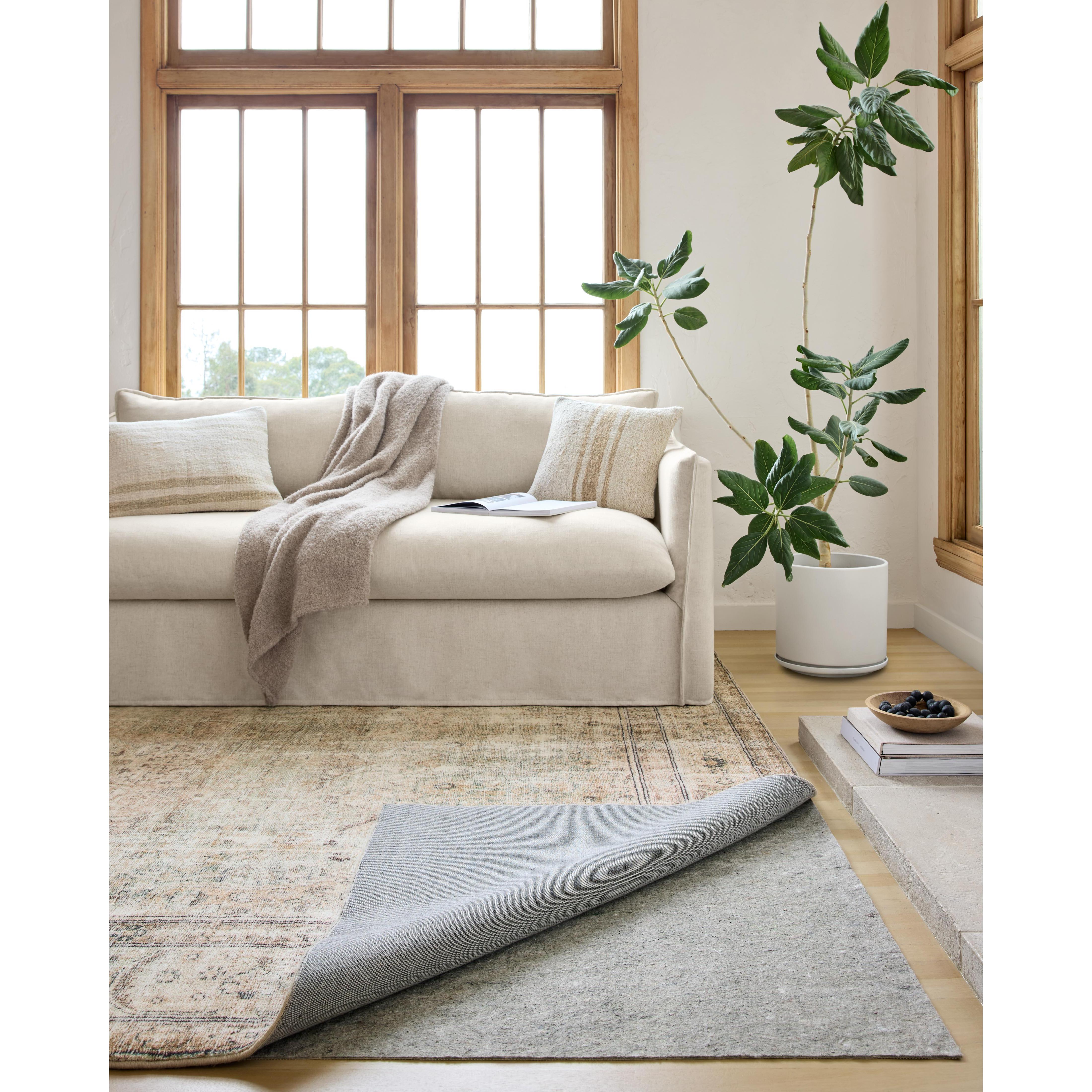
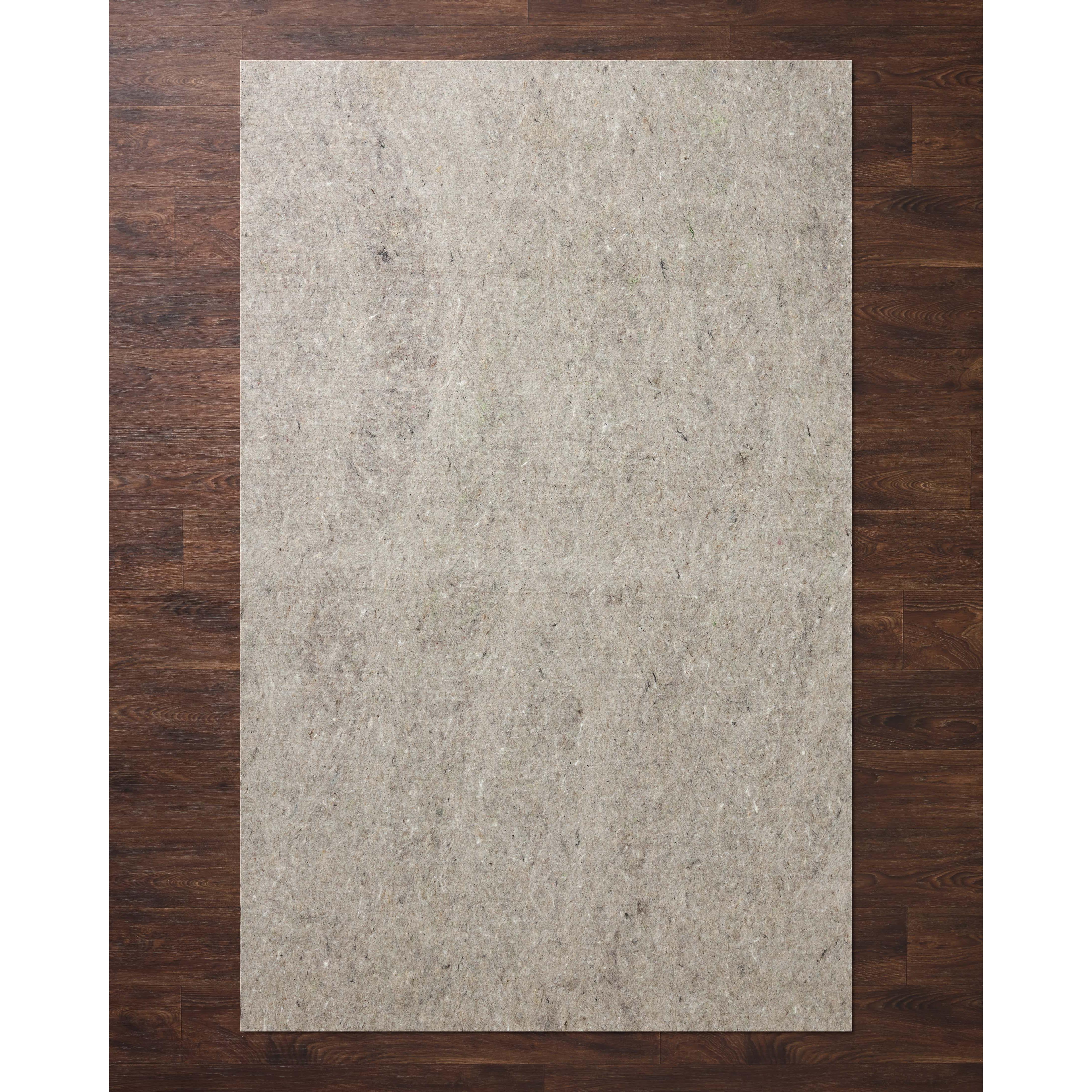
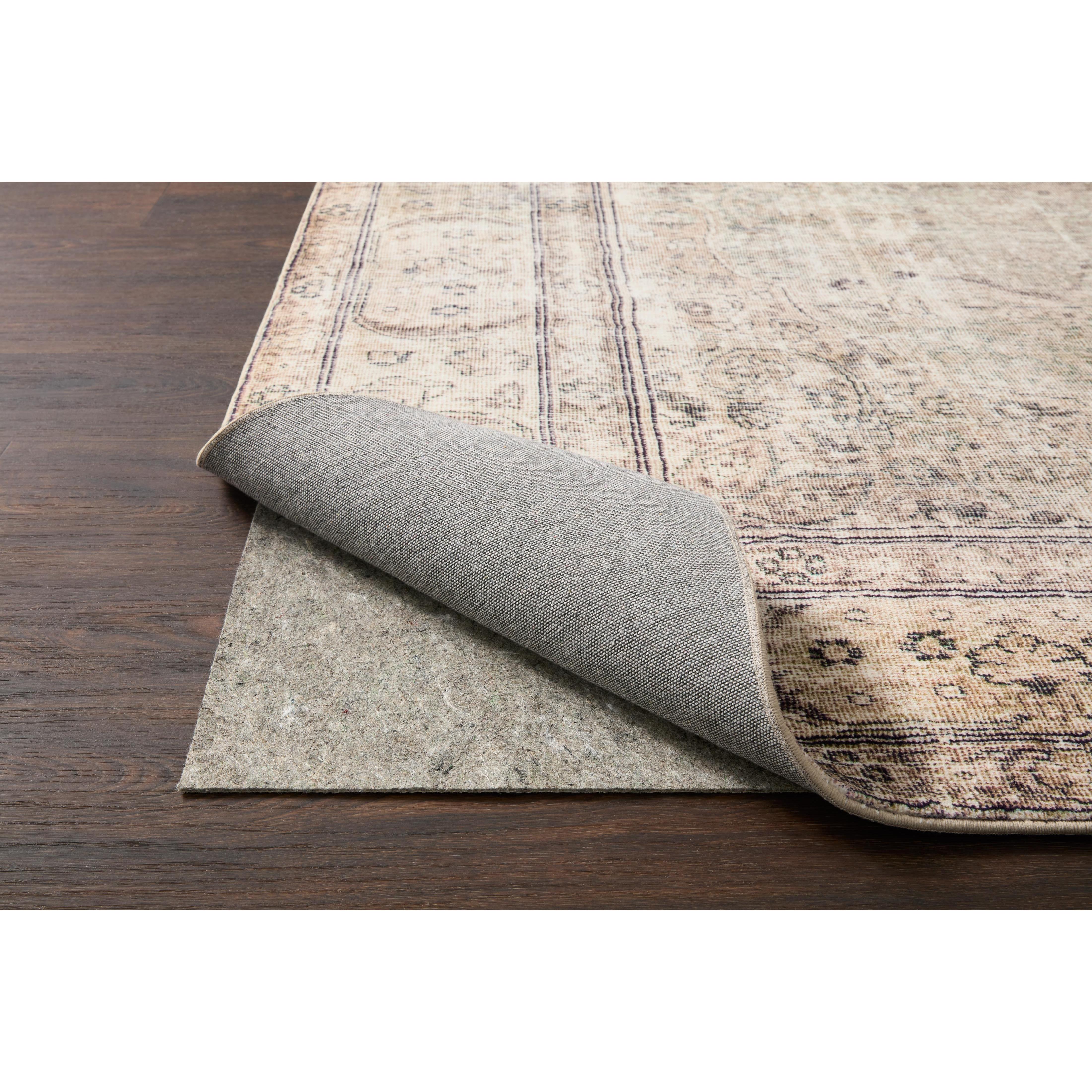
A rug that shifts or bunches up every time someone pulls out a chair is both annoying and a safety risk. The best way to keep your rug firmly in place is with a quality rug pad. A good pad does more than just prevent slipping; it also adds a layer of cushioning underfoot, protects your floors from scratches, and can even extend the life of your rug by absorbing impact. It’s a small investment that makes a huge difference in the function and longevity of your dining room setup, ensuring everything stays exactly where it should.
Check the Edge Finishing
The edges of a rug are often the first place to show wear and tear, especially in a dining room where chairs are constantly moving over them. That’s why checking the edge finishing is so important. Look for rugs with strong, tightly-bound edges, a technique called serging. This prevents fraying and unraveling, keeping your rug looking crisp and clean. A well-finished edge is a hallmark of a quality rug and a clear sign that it was built to withstand the demands of daily life, making it a durable choice for your home.
Prioritize Stain Resistance
Let’s be honest: spills happen, especially around the dinner table. Choosing a rug made from stain-resistant material can save you a lot of stress and cleaning time. Wool is a fantastic natural option, as its fibers have a waxy coating that naturally repels liquids, giving you a window to clean up spills before they set. Many synthetic area rugs, like those made from polypropylene, are also engineered to resist stains. Prioritizing this feature means you can relax and enjoy your meals without worrying about every little drop or crumb that falls.
Find an Easy-to-Clean Rug
Beyond stain resistance, you want a rug that’s simple to maintain. Low-pile and flatweave rugs are great choices because they don’t trap dirt and debris as easily as high-pile rugs, making vacuuming a breeze. For the ultimate peace of mind, consider a washable rug. These are a game-changer for homes with kids, pets, or anyone who loves to host. When a major spill happens, you can simply toss the rug in the washing machine. This convenience makes it easier than ever to keep your dining room looking fresh and spotless.
Ensure Chairs Can Move Easily
There’s nothing more frustrating than trying to slide your chair back from the table and having it snag on the rug. To avoid this daily struggle, choose a rug with a low pile or a flatweave construction. These smoother, denser surfaces allow dining chairs to glide in and out with ease. A high-pile or shag rug might feel plush, but it will create resistance and make moving chairs a chore. A low-profile rug provides the perfect balance of comfort and function, ensuring your dining experience is always a smooth one.
Your Smart Shopping Guide
Now that you know what size, material, and style you’re looking for, it’s time for the fun part: shopping. Finding the perfect rug is about balancing quality, budget, and style. A great dining room rug is an investment that defines your space, adds warmth, and stands up to daily life. Here’s how to shop smart and choose a rug you’ll love for years to come.
What to Look for in a Quality Rug
A quality dining room rug does more than just look good—it performs. Since this is a high-traffic area prone to spills, you need something that can handle it all. Look for rugs with short fibers, like a low-pile or flatweave design. This construction makes it much easier to slide chairs back and forth without snagging and simplifies cleanup when crumbs and spills inevitably happen. For ultimate peace of mind, consider materials that are inherently stain-resistant or explore the world of washable rugs. These options are game-changers for busy households, especially those with kids or pets, offering style without stress.
Set a Realistic Budget
Dining room rugs come in a wide range of prices, so it’s helpful to set a budget before you start browsing. While a hand-knotted wool rug is a beautiful heirloom piece, there are plenty of stunning and durable options that won’t break the bank. Materials like polypropylene offer incredible durability and stain resistance at a very budget-friendly price point, making them a smart choice for a dining space. Think of your rug as a key piece of furniture. Investing in a quality piece will pay off in longevity and style, but you can find fantastic area rugs to fit almost any budget.
Where to Shop for the Best Rugs
The best place to shop for your dining room rug is somewhere that offers variety, transparent pricing, and helpful information. Online retailers like The Rug District give you access to a massive selection of styles, sizes, and materials right from your home. You can easily filter your search to find exactly what you need without spending hours wandering through stores. Look for a retailer that provides detailed product descriptions, clear photos, and customer reviews. Perks like free shipping remove the headache of getting a large, heavy item to your door, making the entire process smooth and simple.
Discover Top Rug Brands
When you shop from reputable brands, you can feel more confident in the quality and craftsmanship of your rug. Brands like Safavieh and Surya are known for their stylish designs and reliable construction, offering everything from timeless traditional patterns to bold modern looks. Loloi is another fantastic brand celebrated for its collaborations with designers and its focus on texture and quality. Exploring rugs from trusted names ensures you’re getting a product that was designed to last and stay beautiful, even in a busy area like the dining room. It’s an easy way to guarantee your new rug will be a lasting centerpiece.
How to Install and Care for Your Rug
You’ve found the perfect rug—congratulations! Now it’s time to make sure it looks incredible in your space and stays that way for years to come. A little bit of setup and maintenance goes a long way in protecting your investment. Proper installation helps your dining room feel balanced and functional, while a solid care routine keeps your rug looking fresh, even with daily use. Here are the essential steps to get your new rug settled in and keep it in top shape.
Center Your Rug Perfectly
Getting the placement just right is key to a polished look. To position your dining room rug correctly, make sure it extends at least 60 cm (about 2 feet) beyond the edges of your dining table on all sides. This simple rule is a game-changer because it allows everyone to pull their chairs out comfortably without the back legs catching on the edge of the rug. It creates a generous, well-defined dining area that feels intentional and inviting, ensuring your beautiful new rug is both a stylish and practical foundation for the room.
Why You Need a Rug Pad
Don’t skip this step! A rug pad is a non-negotiable accessory for any area rug, especially in a high-traffic spot like the dining room. It’s a small investment that offers huge returns. First, it keeps the rug from slipping and bunching, which is a major safety benefit. It also adds a welcome layer of cushioning underfoot, making the space feel more comfortable. Most importantly, a quality rug pad acts as a buffer, protecting both your floors from scratches and your area rug from premature wear and tear, helping it last much longer.
Keep Your Rug Looking New
To maintain your rug’s beauty and extend its life, a couple of simple habits make all the difference. First, rotate your rug 180 degrees every six to twelve months. This ensures it wears evenly, preventing one side from fading or fraying faster than the other due to foot traffic or sun exposure. Regular vacuuming is also essential to remove dirt and debris before it gets ground into the fibers. For a deeper understanding of maintenance, you can explore a complete rug care guide that covers different materials and cleaning techniques.
How to Handle Spills
Spills are inevitable in a dining room, but they don’t have to be a disaster. The key is to act fast. Gently blot the spill with a clean, dry cloth, working from the outside in to prevent it from spreading. Avoid rubbing, as this can damage the rug fibers and push the stain deeper. For families with kids or pets, or for anyone who loves hosting, choosing one of our washable rugs can be a lifesaver. Knowing your rug’s material will help you use the right cleaning method for any accidents that happen.
When to Call a Professional Cleaner
While you can handle most minor spills and regular upkeep yourself, some situations call for an expert. If you’re dealing with a deep, set-in stain or your rug just needs a thorough refresh after a few years, it’s time to call a professional cleaner. They have the specialized equipment and knowledge to deep clean your rug safely without causing damage, especially for delicate materials like wool or silk. Think of it as a spa day for your rug—a necessary treatment that restores its vibrancy and preserves its quality for the long haul.
How to Make Your Final Decision
Alright, you’ve done the research, measured your space, and have a few favorite styles in mind. Now it’s time to pull it all together and make a choice you’ll love for years to come. Making the final decision is about balancing the practical needs of your dining room with your personal style and budget. It’s less about finding a single "perfect" rug and more about finding the right rug for you. Think of this as your final walkthrough before you commit. By checking off a few key points, you can feel confident that you’re choosing a rug that not only looks fantastic but also fits seamlessly into your daily life. Let's walk through the last few steps to ensure your new dining room rug is a perfect match.
Your Practical Checklist
Before you click "add to cart," run through this simple checklist. First, double-check your measurements. The most important rule is that the rug should extend at least 60 cm (or about 2 feet) past the edge of your dining table on all sides. This ensures that when someone pulls their chair out to sit down, the chair legs don’t get caught on the edge of the rug. This isn't just about looks; it's about function and safety. Also, confirm that the material and pile height you've chosen will allow chairs to slide smoothly. A quick review of these practical details will save you from any future frustrations.
Assess Your Style
Take one last look at your dining room's overall aesthetic. Does the rug you’re considering complement your existing furniture, wall color, and decor? The goal is for the rug to tie the room together, not compete with it. If your space is already full of bold patterns and colors, a neutral rug in a shade like beige, ivory, or taupe can create a warm, grounding effect. If your room is more minimalist, a patterned or colorful rug can serve as a stunning focal point. Trust your gut—the right area rug will feel like a natural extension of your home's style.
Finalize Your Budget
Your budget plays a big role in determining the material of your rug. If you're looking for a durable and budget-friendly option, synthetic materials like polypropylene are fantastic. They are stain-resistant and easy to clean, making them a smart choice for busy households or high-traffic dining areas. If you have more room in your budget, a wool rug is a beautiful long-term investment that can last for decades with proper care. There are great options at every price point, so focus on finding the best quality and material you can for the amount you’re comfortable spending. Many washable rugs also offer great style at an affordable price.
Plan for Long-Term Care
A beautiful rug deserves to be well-maintained. Before making your final decision, think about what it will take to keep it looking its best. A rug pad is a non-negotiable investment; it prevents slipping, adds a layer of comfortable cushioning, and protects both your floor and your rug, ultimately extending its life. It’s also a good practice to rotate your rug every six months to a year. This ensures it wears evenly, especially if certain spots get more foot traffic or sunlight than others. Planning for this simple care routine from the start will keep your dining room looking polished and inviting.
Related Articles
Frequently Asked Questions
What if my dining room is too small to leave 24 inches of rug around the table? The 24-inch rule is a fantastic guideline, but it's not always possible in cozier spaces. If you're tight on room, the most important thing is to ensure the chairs can still be pulled out without their back legs catching on the rug's edge. You can often get away with a slightly smaller border, like 18 inches. The goal is function, so as long as the chairs can move smoothly, you can adapt the rule to fit your room's dimensions.
What's the most worry-free rug material for a home with kids and pets? For a truly low-stress dining room, a synthetic rug made from a material like polypropylene is an excellent choice. These rugs are specifically designed to be stain-resistant, durable, and incredibly easy to clean. If you want the ultimate peace of mind, a low-pile washable rug is your best bet. It combines that same durability with the convenience of being able to toss it in the washing machine after a major spill.
Can I use a rectangular rug under my round table? While matching the rug shape to your table shape is the easiest way to create a harmonious look, you can absolutely use a rectangular rug under a round table. This works best in a larger, rectangular room where the rug's shape echoes the room's dimensions. The key is to make sure the rug is large enough to comfortably contain the table and all the chairs when they're pulled out, so the entire dining set feels grounded as a single unit.
Are washable rugs durable enough for a dining room? Yes, absolutely. Modern washable rugs are designed for real life, which makes them perfect for a high-traffic, spill-prone area like the dining room. They are typically made with a durable, low-pile construction that can handle the constant movement of chairs. Their biggest advantage is that they offer a stylish look without the stress, since you know you can give them a thorough cleaning whenever needed.
My rug feels thick and heavy. Do I still need a rug pad? Even with a substantial rug, a rug pad is a must-have. Its most important job is to prevent the rug from slipping, which is a major safety concern in a room where people are constantly moving chairs and walking around. A pad also protects your floors from potential scratches and adds an extra layer of cushioning that helps absorb impact, which can extend the life of your rug over time.