It’s one of the most frequent design mistakes I see: a small rug adrift in the middle of a living room, with furniture huddled around it. This "postage stamp" effect can make even the most stylish furniture look unplanned. The right rug should unify your space, not isolate your coffee table. Answering the question of how big should a living room area rug be is the secret to achieving that polished, put-together look. This guide is your practical roadmap, designed to help you avoid common pitfalls and select a size that grounds your furniture, defines your layout, and makes your living room feel balanced and welcoming.
Key Takeaways
- Anchor Your Furniture with the Right Scale: To create a balanced look, your rug should extend at least 6-8 inches beyond your sofa on each side. When you're unsure about two sizes, choosing the larger option is almost always the better decision to make a room feel complete.
- Choose a Placement Rule to Define Your Space: Decide how your furniture will interact with the rug before you buy. The "front legs on" method is a versatile classic, while placing "all legs on" is perfect for grounding a seating area in a large or open-concept room.
- Map It Out with Painter's Tape: Before committing, outline your potential rug's dimensions on the floor. This simple visualization trick is the best way to confirm the size works with your furniture arrangement and traffic flow.
Why Rug Size Is a Big Deal
Choosing an area rug is about more than just color and pattern; size is the secret ingredient that can make or break your living room's design. A rug acts as the anchor for your furniture, pulling everything together into a cohesive and inviting space. The right size rug can make your room feel larger, more intentional, and thoughtfully designed. On the other hand, a rug that’s too small can make your furniture look like it's adrift and can actually shrink the perceived size of your room. Getting the scale right is the first and most important step in creating a space that feels balanced, comfortable, and complete.
How a Rug Defines Your Room's Style
Think of your living room rug as the foundation of your decor. It has the power to define a seating area, add a layer of warmth, and tie all your design elements together. A well-chosen rug makes a room feel complete, while the wrong one can leave it feeling "not-quite-right." It carves out a specific zone, which is especially important in open-concept homes. By selecting the right size, you create a visual frame for your furniture, grounding the space and setting the tone for the entire room. Whether you're aiming for cozy and intimate or open and airy, the dimensions of your area rug are what will ultimately bring that vision to life.
Create Balance and Harmony
The goal of a living room rug is to create a sense of balance. A larger rug makes the room feel more spacious and connected, uniting the furniture instead of leaving pieces floating in isolation. A great rule of thumb is to choose a rug that is at least 6 to 8 inches wider than your sofa on both sides. This ensures the rug frames your main seating area properly, creating a harmonious and polished look. This simple guideline prevents the awkward visual of a sofa that’s wider than the rug beneath it, which can throw off the entire room's proportions and make the space feel cramped.
Avoid These Common Sizing Mistakes
One of the most frequent design mistakes is choosing a rug that's too small. A little rug floating in the middle of a large room can look like an afterthought and make the entire space feel smaller. For example, a 5' x 8' rug often looks lost under a coffee table in an average-sized living room. It fails to connect the surrounding furniture, which disrupts the room's flow. If you find yourself hesitating between two sizes, it's almost always better to go bigger. A rug that’s slightly too large is far better than one that’s too small, as it will still anchor the space effectively.
Your Guide to Standard Rug Sizes
Shopping for a rug can feel overwhelming with all the different dimensions available, but it doesn't have to be. Most living rooms work perfectly with one of three standard sizes. Think of these as your go-to options that designers rely on time and again. Choosing a standard size makes the shopping process much simpler and ensures you can find a wide variety of styles and patterns to fit your space. The key is to match the rug size not just to your room's dimensions, but also to your furniture layout. Let's break down the most common choices to help you find the perfect fit.
5' x 8': Perfect for Smaller Spaces
If you have a smaller living room, an apartment, or you’re looking to define a cozy nook, a 5' x 8' rug is an excellent choice. This size is designed to anchor your main furniture without overwhelming the floor. The general rule here is to have a rug that’s at least the width of your sofa. A 5' x 8' rug works beautifully when placed under a coffee table, with just the front legs of your sofa and accent chairs resting on it. This creates a connected feel that makes the space feel intentional and pulled together. It’s a great way to add color and texture to a compact area.
8' x 10': The Go-To Choice
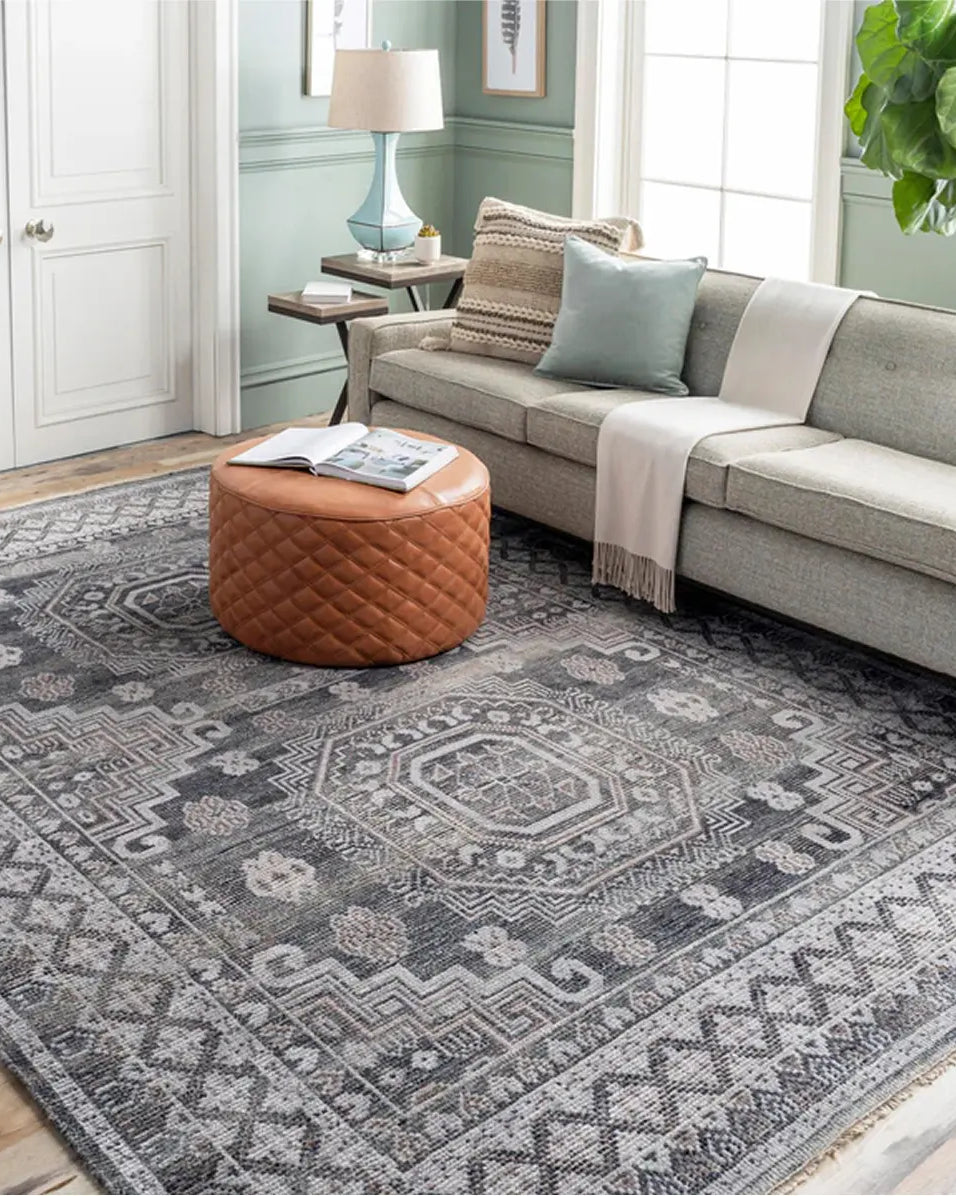
The 8' x 10' is the most popular and versatile size for a reason—it fits perfectly in most standard living rooms. This rug is large enough to unify your entire seating area, creating a cohesive and grounded look. For this size, you’ll want to place the front legs of your sofa and all accent chairs on the rug. This arrangement connects the furniture pieces, making the conversation area feel cozy and well-defined. If you’re unsure where to start, an 8' x 10' is almost always a safe and stylish bet. It provides plenty of coverage and comfort underfoot, making it a practical choice for everyday living, especially if you opt for durable and easy-to-clean washable rugs.
9' x 12': For Spacious Rooms
For larger or open-concept living rooms, a 9' x 12' rug is your best friend. This generous size allows you to place all your furniture—sofa, chairs, and tables—completely on the rug. This "all legs on" approach creates a distinct, unified zone that feels luxurious and thoughtfully designed. It’s an effective way to define the living area in an open floor plan, separating it from the dining or kitchen space. Using a large rug like this makes the room feel grander and more complete. It’s the perfect foundation for showcasing a full set of beautiful furniture and one of our stunning area rugs.
What About Custom Sizes?
Sometimes, a room has unique dimensions that standard rug sizes just can't accommodate. Maybe you have an unusually long and narrow living room or a specific architectural feature to work around. In these cases, a custom-sized rug might be the answer. While The Rug District offers an extensive selection of standard sizes to fit most homes, the most important goal is finding a rug that fits your space perfectly. If you've measured your room and find that a standard option won't work, exploring custom solutions can ensure you get the exact proportions you need to make your room look its best.
Key Furniture Placement Rules
Once you have your measurements, the next step is to decide how your furniture will interact with the rug. Think of these as design guidelines rather than strict rules. They’re simple principles that designers use to create a space that feels intentional and put-together. The goal is to make your seating area look like a cohesive unit, and the rug is the foundation that pulls it all together.
Choosing one of these three common approaches will help you finalize the perfect rug size for your living room. It all comes down to the look you want to achieve and the size of your space. Let’s walk through each option so you can see which one feels right for you.
The "All Legs On" Rule
This one is exactly what it sounds like: your rug should be large enough for all legs of your sofa, chairs, and coffee table to rest comfortably on it. This approach creates a unified, luxurious feel, almost like an island of comfort. It’s an excellent choice for medium to large living rooms or open-concept spaces because it clearly defines the seating area. By placing all your furniture on top, you make the entire arrangement feel grounded and connected. This rule typically calls for larger area rugs, so be sure to measure your full furniture grouping before you buy.
The "Front Legs On" Rule
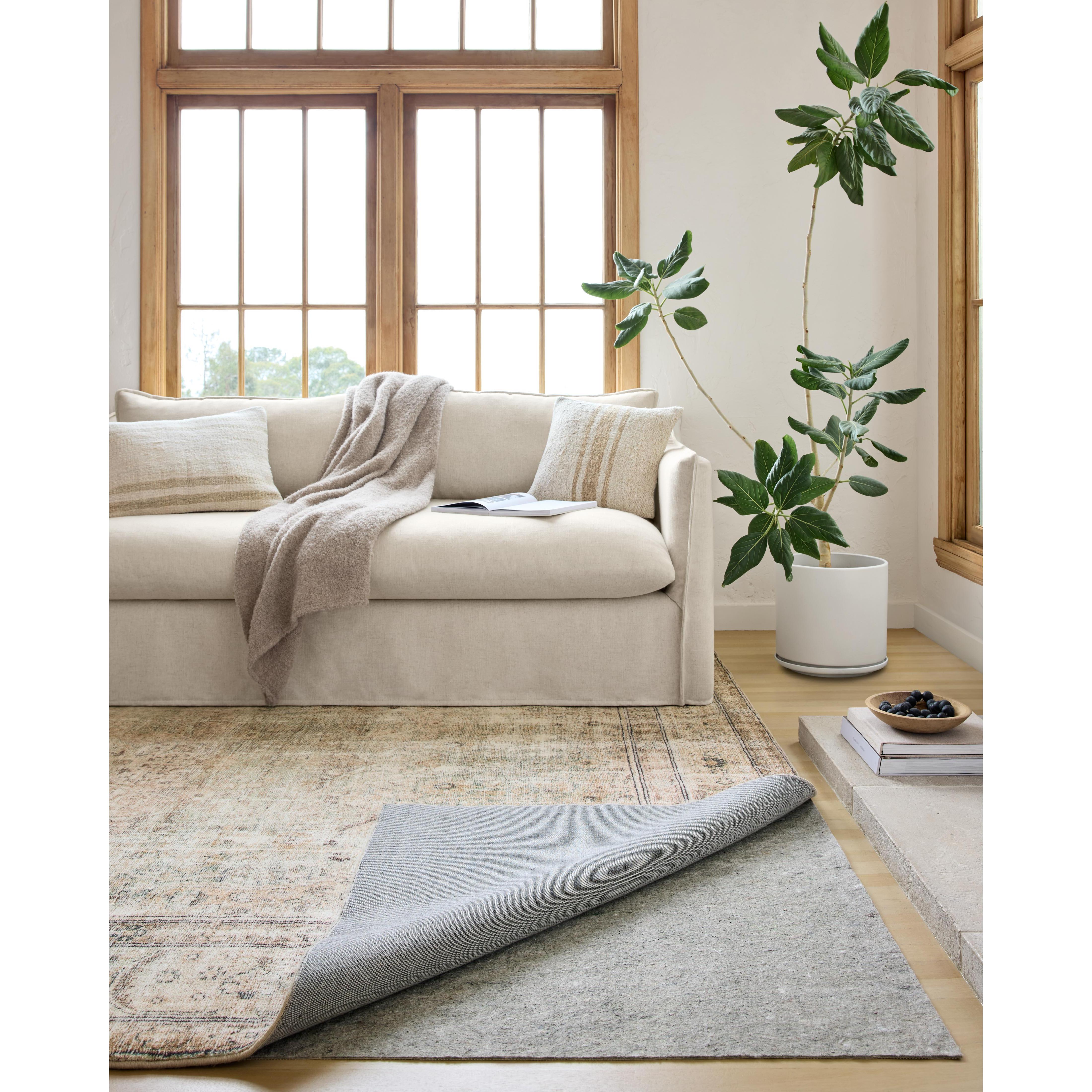
This is probably the most popular and versatile placement rule. Here, you place the rug so that the front legs of your sofa and chairs are on it, while the back legs remain on the bare floor. This method still connects all the furniture visually, creating a well-defined conversation area without requiring an enormous rug. It’s a fantastic compromise that works in almost any size room, making the space feel both cozy and open. It gives the impression of a larger area while ensuring your furniture doesn't feel like it's floating aimlessly.
The "No Legs On" Rule (Floating)
If you have a smaller room or a rug with a bold, beautiful pattern you want to show off, the "no legs on" rule might be for you. In this layout, the rug "floats" in the center of your seating arrangement, with all furniture placed completely off it. Your coffee table would typically sit in the middle of the rug. This approach can make a small room feel more open and airy. Just be careful with sizing—the rug should still be large enough to occupy the space between your furniture, not look like a tiny, forgotten postage stamp.
Use Rugs to Define Your Space
Regardless of which placement rule you follow, remember that a rug’s primary job is to define your space. It acts as a visual anchor that groups your furniture together, turning a collection of individual pieces into a purposeful seating area. This is especially important in open-concept homes where you need to create distinct "zones" for living, dining, and cooking. A well-placed rug frames the space, adds warmth, and makes the entire room feel more connected and thoughtfully designed. It’s the piece that ties everything together.
Choose the Right Rug for Your Room Size
Now that we’ve covered the placement rules, let's get practical. The dimensions of your room are the most important factor in picking the right rug. A rug that’s too small can make a room feel disjointed, while one that’s too large can swallow it whole. Finding that "just right" fit is easier than you think. Here’s a simple breakdown to help you find the perfect area rugs for your living room, whether it’s cozy and compact or large and airy.
For Small Living Rooms (Under 200 sq ft)
If you have a smaller living room, your goal is to make the space feel grounded without overwhelming it. A 5'x8' or 6'x9' rug is usually the perfect choice. This size is large enough to anchor your main seating area but won't make the room feel cramped. A great rule of thumb is to choose a rug that’s at least the width of your sofa. This creates a sense of balance and cohesion. Placing the front legs of your sofa and chairs on the rug will tie everything together beautifully, making your cozy space feel intentional and well-designed.
For Medium Living Rooms (200-300 sq ft)
For a medium-sized living room, an 8'x10' rug is often the sweet spot. This is one of the most popular and versatile sizes for a reason! It’s substantial enough to create a cozy and defined seating area. With an 8'x10' rug, you can comfortably place the front legs of your sofa and any accent chairs on it. This approach connects the furniture, making the conversation area feel more intimate and unified. It leaves a nice border of flooring around the edges, which helps the room feel spacious and thoughtfully arranged.
For Large Living Rooms (300+ sq ft)
In a large, spacious living room, you have the opportunity to make a real statement. A 9'x12' rug or even larger is ideal for grounding the space. The goal here is to have a rug that’s big enough for all of your furniture legs—sofa, chairs, and coffee table—to sit completely on it. This creates a truly cohesive and luxurious look, almost like an island of comfort. Using a rug that’s too small in a large room can make your furniture feel like it's floating aimlessly, so don't be afraid to go big.
For Open-Concept Spaces
Open-concept layouts are amazing, but they can be tricky to define. This is where a rug becomes your best friend. A large rug is essential for carving out a distinct living area and separating it from your dining or kitchen space. It acts as a visual anchor that says, "This is the cozy spot for relaxing." To enhance the flow, choose a rug that extends about 8 to 12 inches beyond your sofa on each side. For busy, multi-functional areas, durable and easy-to-clean washable rugs are a fantastic and practical option.
Measure and Visualize Your New Rug
Alright, let's get practical. Before you fall in love with a specific pattern or color, the most important step is to measure your space. I know, it’s not the most glamorous part of decorating, but trust me, this is the step that separates a good room from a great room. Taking a few minutes to measure will save you from the headache of ordering a rug that’s too small or overwhelmingly large. It’s all about taking the guesswork out of the equation so you can shop with confidence. Think of it as creating a blueprint for your perfect living room. This simple process ensures your new rug will feel like it was made for your space, anchoring your furniture and tying the whole look together beautifully.
Get Your Tools Ready
You don’t need a full contractor’s toolkit for this—just a few simple items will do the trick. First, grab a reliable measuring tape. Next, find some painter's tape; this is my secret weapon for visualizing, and it won’t damage your floors. Finally, have your phone or a small notepad handy to jot down the numbers. Getting these items together before you start makes the process quick and seamless. It’s a small bit of prep that ensures you get accurate measurements you can rely on when you start browsing for the perfect area rug.
How to Measure Your Space
Start by measuring the length and width of your entire living room to get a sense of the overall scale. Then, focus on your primary seating area—the space where your sofa, chairs, and coffee table live. This is the zone your rug will define. A key guideline to follow is ensuring the rug is at least 6 to 8 inches wider than your sofa on both sides. This extra width prevents the rug from looking like a tiny island and helps unify the furniture. It allows the front legs of your sofa and any accent chairs to sit comfortably on the rug, creating a cohesive and well-grounded look.
Visualize the Rug in Your Room
This is where the painter's tape becomes your best friend. Once you have a potential rug size in mind (say, 8' x 10'), use the tape to outline those dimensions on your floor right where the rug would go. This simple trick is a game-changer. It moves the idea from abstract numbers to a tangible outline in your space. You can immediately see how the size interacts with your furniture, doorways, and walkways. It helps you answer important questions: Does it feel balanced? Is there enough space to walk around it? Seeing the "footprint" in your room is the best way to confirm a size before you commit.
Test the Size Before You Buy
Once your painter's tape outline is on the floor, leave it there for a day or two. Live with it. Walk around it. See how it feels as you move through the room. This helps you get a real sense of the traffic flow and ensures the size doesn’t feel cramped or awkward. Many people find that going a little bigger is usually the better choice, as a larger rug tends to make a room feel more expansive and pulled-together. This test run gives you the final confirmation you need to choose from a selection of beautiful washable rugs or plush wool options with total confidence.
Pro Tips for Perfect Rug Placement
Once you’ve settled on the right size, a few extra placement tricks can make all the difference. These tips will help you position your new rug perfectly, ensuring it complements your furniture and enhances the overall feel of your living room. Think of these as the finishing touches that pull the entire space together, making it look intentional and professionally styled.
Balance Pattern and Scale
Think about your room as a complete picture. If your furniture, curtains, and pillows are mostly solid colors, a patterned area rug can introduce a welcome dose of personality and visual interest. It creates a focal point and adds contrast that keeps the space from feeling flat. On the other hand, if your room already features bold patterns on the upholstery or walls, a solid or subtly textured rug will provide a calming foundation. The key is to strike a balance so the rug complements your existing decor instead of competing with it.
Try Layering Your Rugs
Have you ever found a rug you absolutely love, only to realize it’s too small for your space? Don’t despair—try layering! This designer-approved trick involves placing your smaller, more decorative rug on top of a larger, neutral one. A large jute or sisal rug often works perfectly as a base layer. This technique not only solves the size issue but also adds wonderful depth and texture to your room. It’s a fantastic way to create a cozy, curated look, and as design experts like Emily Henderson suggest, it helps define the area beautifully.
Consider Your Room's Traffic Flow
A rug should make your room more comfortable, not more difficult to move through. Pay attention to the natural pathways people use to walk through the space. To ensure a smooth flow, try to leave about 30 to 36 inches of open floor for major walkways between large furniture pieces. In smaller rooms or tighter spots, a minimum of 18 to 24 inches will do the trick. Your rug shouldn't block doorways or create awkward detours. A well-placed rug guides movement and contributes to a functional, easy-to-live-in layout.
Match the Rug to Your Room's Shape
For a cohesive and polished look, the shape of your rug should generally follow the shape of your room and your furniture arrangement. A rectangular rug works best in a rectangular room, while a square or round rug can be perfect for a more compact or uniquely shaped space. When placing your rug, a great rule of thumb is to have it extend at least 8 to 12 inches beyond your sofa on both sides. Also, leaving about 16 inches of bare floor between the edge of the rug and the walls can make the room feel more spacious and open.
Choose the Right Material for Your Lifestyle
Once you’ve figured out the perfect size for your living room rug, the next big decision is the material. The right fabric does more than just feel good underfoot; it determines how your rug wears over time, how easy it is to clean, and how well it stands up to your daily life. Whether you’re dealing with pets, kids, or just a busy household, choosing a material that fits your lifestyle is key to loving your rug for years to come. Let's walk through what you need to know to pick the perfect one.
Rugs for High-Traffic Areas
Your living room is likely the hub of your home, which means the rug you choose needs to be up for the challenge. For high-traffic areas that see a lot of action, durability is non-negotiable. You’ll want to look for materials that can handle daily use without showing wear and tear too quickly. Materials like wool are fantastic because they are naturally resilient and can withstand constant foot traffic. When you're browsing for area rugs, pay close attention to the material composition, especially for spaces like entryways, hallways, and the main living area. A rug that can hold its own means less worry for you and more time enjoying your beautiful space.
What Makes a Rug Durable?
So, what exactly makes a rug durable? It comes down to the fibers. Wool is a classic example and a popular choice for a reason. It’s known for its luxurious feel, but its real strength lies in its natural resilience. The fibers have a natural crimp that allows them to bounce back after being compressed, which means fewer permanent furniture dents and flattened paths. Wool rugs are exceptionally durable, making them ideal for those busy spots in your home. Beyond the material itself, the construction of the rug also plays a huge part. A tightly woven or densely knotted rug will hold up much better over time than a looser one.
Natural vs. Synthetic Fibers
The choice between natural and synthetic fibers often comes down to your priorities: feel, budget, and maintenance. Natural rugs, which include options like wool, silk, and plant-based fibers like jute, are often praised for their softness, durability, and eco-friendliness. They bring an organic, high-quality feel to a room. On the other hand, synthetic materials like polypropylene or viscose have their own set of perks. They often come in at a more accessible price point and allow for brighter, more vibrant colors and a wide variety of textures. Synthetics can also be highly stain-resistant, making them a practical choice for busy families.
Think About Cleaning and Care
Let’s be realistic: spills happen. Your lifestyle should be a major factor when you think about cleaning and care. If you have kids, pets, or just love hosting, you’ll want a rug that’s easy to maintain. Some materials are naturally better at handling messes. For instance, if your living room is a place where moisture might be a concern (think spilled drinks), a material like wool is a great choice because it naturally wicks away liquid. For the ultimate peace of mind, you might want to explore the world of washable rugs. These are designed to be thrown right in the washing machine, making cleanup after a mishap incredibly simple.
Related Articles
Frequently Asked Questions
I'm hesitating between two rug sizes. Which one should I pick? This is a common dilemma, but the answer is almost always to choose the larger size. A rug that's slightly too big will still anchor your furniture and make the room feel cohesive and spacious. A rug that's too small, however, can make your furniture look like it's floating and can visually shrink the entire room. When in doubt, giving your furniture more room to breathe on a larger rug is the better design choice.
How much bare floor should I leave around my area rug? A great guideline is to leave about 12 to 18 inches of bare floor between the edges of the rug and the walls of the room. This creates a nice border that frames the space and prevents the rug from looking like it's trying to be wall-to-wall carpeting. This bit of breathing room helps the entire space feel more balanced and intentional.
What's the single most important thing to remember when choosing a rug size? The most important job of your living room rug is to connect your main furniture pieces into a unified group. Whether you choose to have all legs on the rug or just the front legs, the rug should be substantial enough to touch and visually anchor your sofa and chairs. This is what transforms a collection of individual items into a cohesive and inviting seating area.
Can I use a round rug in my living room? Absolutely! A round rug can be a wonderful way to soften a room with a lot of sharp lines or to define a smaller, distinct zone, like a reading nook. The same general rules apply: make sure it's large enough to connect your furniture. You'll typically want the front legs of your sofa and chairs to rest on the edge of the circle to create that grounded, connected feeling.
My sofa is against a wall. Do I still need a rug that's wider than it? Yes, you do. Even when your sofa is against a wall, the rug should extend at least 6 to 8 inches beyond the sofa on both sides. This helps frame your largest piece of furniture and creates a sense of balance. If the rug is narrower than the sofa, it can look undersized and throw off the proportions of the entire seating area.