There’s nothing more frustrating than sitting down for dinner and having your chair legs catch on the edge of the rug. It’s a small annoyance that signals a bigger design issue: the rug is too small. This common mistake not only creates a tripping hazard but also makes the entire room feel unbalanced. The good news is that it’s an easy fix. Understanding the proper rug size dining room table relationship is key to creating a comfortable and visually harmonious space. In this guide, we’ll break down the simple rules for measuring your space and choosing a rug that perfectly fits your table, your room, and your life.
Key Takeaways
- Give Your Chairs Room to Move: Ensure your rug extends at least 24 inches beyond the table on all sides. This is the most important rule for creating a functional dining space where guests can comfortably slide their chairs in and out without catching the rug's edge.
- Choose a Rug That Fits Your Lifestyle: A dining room is a high-traffic, spill-prone zone, so prioritize practicality. Low-pile or flatweave rugs are best for easy chair movement and cleanup, while durable materials like wool, synthetics, or washable options will stand up to daily life.
- Anchor Your Space with the Right Shape: Create a visually harmonious look by matching the shape of your rug to your dining table. This simple design principle grounds your furniture and clearly defines the dining area, making the entire room feel more balanced and intentional.
Why Rug Size Matters in Your Dining Room
Choosing a rug for your dining room is about more than just adding a pop of color or a soft texture underfoot. The right size is crucial because it defines your dining area, anchors your furniture, and makes the whole space feel more intentional and pulled together. Think of it as the foundation of your room's design. A well-proportioned rug creates a sense of harmony, making meals and gatherings feel more comfortable and inviting.
On the other hand, the wrong size can throw everything off. A rug that’s too small will make your dining set look like it's floating awkwardly, while one that’s too large can overwhelm the room and make it feel cramped. Getting the size right is the first step to creating a dining space that is both beautiful and functional. It’s a simple detail that makes a huge impact on the room's overall feel and usability.
Ensure Comfort and Safety
The most important functional reason for getting your dining room rug size right is for comfort and safety. You want to be able to pull your chair out from the table and have all four legs remain on the rug. If the rug is too small, the back legs of the chair will catch on the edge every time you get up or sit down. This is not only frustrating but can also be a tripping hazard for you and your guests. A properly sized area rug provides a smooth, stable surface, making for a much more pleasant dining experience.
Create Visual Balance and Flow
A dining room rug acts as a visual anchor for your table and chairs, grounding them and defining the dining zone, especially in an open-concept space. When the rug is sized correctly, it creates a cohesive and balanced look that ties the room together. It frames your dining set, making it the clear focal point. This visual harmony helps create a natural flow in the room, guiding the eye and making the space feel complete. A rug that fits the scale of your furniture and your room will make your entire design feel more polished and thoughtfully curated.
Avoid These Common Sizing Mistakes
One of the most frequent mistakes is choosing a rug that’s just slightly larger than the dining table itself. This is what causes the dreaded chair-leg-catching issue. Remember, the rug needs to accommodate the chairs when they are pulled out, not just when they’re tucked in. Another common pitfall is ignoring the room's proportions. A rug that extends too close to the walls can make a room feel smaller than it is. If your dining room is too small to fit a rug with the proper clearance, it’s often better to go without one. For high-traffic or spill-prone areas, consider practical options like washable rugs that combine style with easy maintenance.
How to Measure Your Space Like a Pro
Getting out the measuring tape is the most important step in choosing your dining room rug. It’s the difference between a room that feels perfectly put-together and one that just feels off. Measuring correctly saves you the headache of returns and ensures your new rug looks like it was made for your space. When you know your exact dimensions, you can confidently find an area rug that fits just right. Let's walk through how to do it.
Your Step-by-Step Measurement Guide
First, measure your dining table's length and width. Next, pull the chairs away from the table, as if guests were sitting down. This is the most crucial part—you need to account for the space the chairs occupy when in use. Don’t just measure the table! This simple action shows you the minimum footprint your rug needs to cover to be functional and look balanced.
Get the Clearance Right
The goal is to make sure all four legs of a chair remain on the rug, even when it’s pulled out. There’s nothing more awkward than a chair leg catching on the edge of a rug when someone gets up. It’s not just annoying; it can also cause premature wear on your rug’s edges. Ensuring enough clearance makes for a smoother dining experience and keeps the entire dining set looking like a single, cohesive unit.
Follow the 24-30 Inch Rule
Here’s a guideline designers swear by: your rug should extend at least 24 inches beyond your table on all sides. In a larger room, you can go up to 30 inches. This buffer provides plenty of room for chairs to slide back without ever leaving the rug’s surface. This rule is a fantastic starting point for a proportional look and is especially helpful for finding practical washable rugs that can handle the traffic and spills of a busy dining area.
Visualize with the Tape Trick
If you’re a visual person, this trick is for you. Once you’ve calculated your ideal rug dimensions, grab some painter’s tape and outline the shape on your floor. This gives you a real-world preview of how the rug will fill the space and interact with your furniture. Living with the tape outline for a day or two helps you see how it feels. This simple step removes all guesswork and helps you commit to a size with total confidence.
Find the Perfect Rug Size for Your Table Shape
Your dining table is the star of the show, and the right rug acts as its perfect stage. The key is to match the rug's shape to your table's shape to create a sense of harmony and balance. A rectangular table looks best with a rectangular rug, and a round table pairs beautifully with a round one. This simple guideline helps define the dining area and makes the entire space feel more intentional and put-together. Let’s walk through the specifics for each table shape so you can choose your rug with confidence.
For Rectangular and Oval Tables
For rectangular and oval tables, the goal is to have a generous border of rug around the entire table. A good rule of thumb is to ensure the rug extends at least 24 inches beyond the table on all sides. This gives everyone enough room to slide their chairs back without the legs catching on the edge of the rug. To figure this out, simply measure your table's length and width, then add 48 inches to each dimension. For example, if your table is 40 inches wide by 72 inches long, you’ll want to look for area rugs that are at least 88 inches by 120 inches (or about 8' x 10').
For Round Tables
A round rug under a round table is a classic pairing that creates a soft, inviting look. The same 24-inch rule applies here, but you’ll be working with diameter instead of length and width. Measure the diameter of your table and add 48 inches to find your ideal rug size. As a quick guide, a small round table that seats four people usually works perfectly with an 8-foot round rug. If you have a larger table that accommodates six, a 10-foot round rug is typically a better fit, ensuring plenty of space for chairs to move in and out smoothly.
For Square Tables
Just like with other shapes, a square rug is the natural choice for a square dining table. This creates a clean, symmetrical look that anchors the space beautifully. Following the 24-inch rule, you’ll want a rug that provides ample coverage on all four sides. For a standard square table that seats four, an 8-foot by 8-foot rug is an excellent starting point. This size is generally large enough to contain the table and all four chairs, even when they’re pulled out, preventing any wobbly legs or snagged edges while you’re enjoying a meal with family or friends.
What to Do with an Extension Table
Extendable tables are fantastic for hosting, but they can make choosing a rug size tricky. The best approach is to base your rug size on the table when it's fully extended. This ensures that even when you have a full house, your guests can comfortably pull their chairs out without them falling off the rug's edge. If a rug large enough for the extended table would overwhelm your room, consider a durable, low-pile option. A washable rug is also a great, practical choice for this high-traffic area, offering both style and easy cleanup.
Quick Size Guidelines
If you’d rather not pull out the measuring tape just yet, here’s a quick cheat sheet based on how many people your table seats. These are great starting points for the most common dining setups.
- Tables seating 6 people: An 8' x 10' rug is typically the best fit. This size offers enough room for the table and chairs without feeling cramped.
- Tables seating 8 people: You’ll want to look for a 9' x 12' rug or even larger. This ensures everyone has plenty of space to move their chairs comfortably.
These guidelines will help you narrow down your search for the perfect area rugs for your dining space.
Choose the Right Material and Style
Once you’ve nailed down the perfect size, it’s time for the fun part: choosing a rug that looks and feels right for your dining room. The material and style you select will impact everything from the room's vibe to how easy it is to clean up after a dinner party. Think about your lifestyle—do you have kids or pets? Do you host often? Answering these questions will help you find a rug that’s not just beautiful but also practical for your home.
Pick the Best Materials for Your Dining Room
The dining room sees a lot of action, from foot traffic to the occasional spilled drink. That’s why durability and ease of maintenance are key. Natural fibers like wool are fantastic because they’re resilient and can handle daily use. For ultimate peace of mind, especially in a busy household, you might consider one of the many stylish washable rugs available. These are a game-changer for high-spill zones, letting you enjoy your meals without worrying about messes. Synthetic materials like polypropylene are also great choices as they are stain-resistant and easy to clean, giving you plenty of durable and beautiful options to fit your life.
Consider the Pile Height
Pile height refers to the thickness or length of the rug's fibers. For a dining room, a low-pile or flatweave rug is your best friend. Why? It makes life so much easier. Chairs can slide in and out smoothly without snagging on thick fibers, which is a small detail that makes a big difference in daily comfort. Plus, low-pile rugs are much simpler to clean. Crumbs and spills tend to sit on the surface instead of getting trapped deep within the fibers, making vacuuming and spot-cleaning a breeze. This practical choice ensures your dining area stays functional and looks tidy with minimal effort.
Select the Perfect Pattern and Color
Your rug is a chance to inject personality into your dining space. You can use it to tie the room together or make a bold statement. Colors like deep emerald and navy blue can bring a touch of sophistication, but it’s important to choose a shade that complements your existing furniture and wall color. Don’t be afraid of patterns, either! A patterned rug is not only visually interesting but also incredibly practical for hiding minor stains and spills until you have a chance to clean them. Browse a wide selection of area rugs to find a design that speaks to you and your home's aesthetic.
Coordinate Your Rug with the Room Size
While the rug size should be based on your dining table, it also needs to feel balanced within the overall room. A rug that’s perfectly sized for the table can still look awkward if it’s too small or too large for the space itself. A small rug in a large, open-concept dining area can feel lost, while a massive rug in a cozy nook can make the room feel cramped. Step back and consider the room's dimensions to ensure the rug you choose creates a sense of harmony and proportion. The goal is for the rug to define the dining space without overwhelming or underwhelming it.
Add a Non-Slip Rug Pad
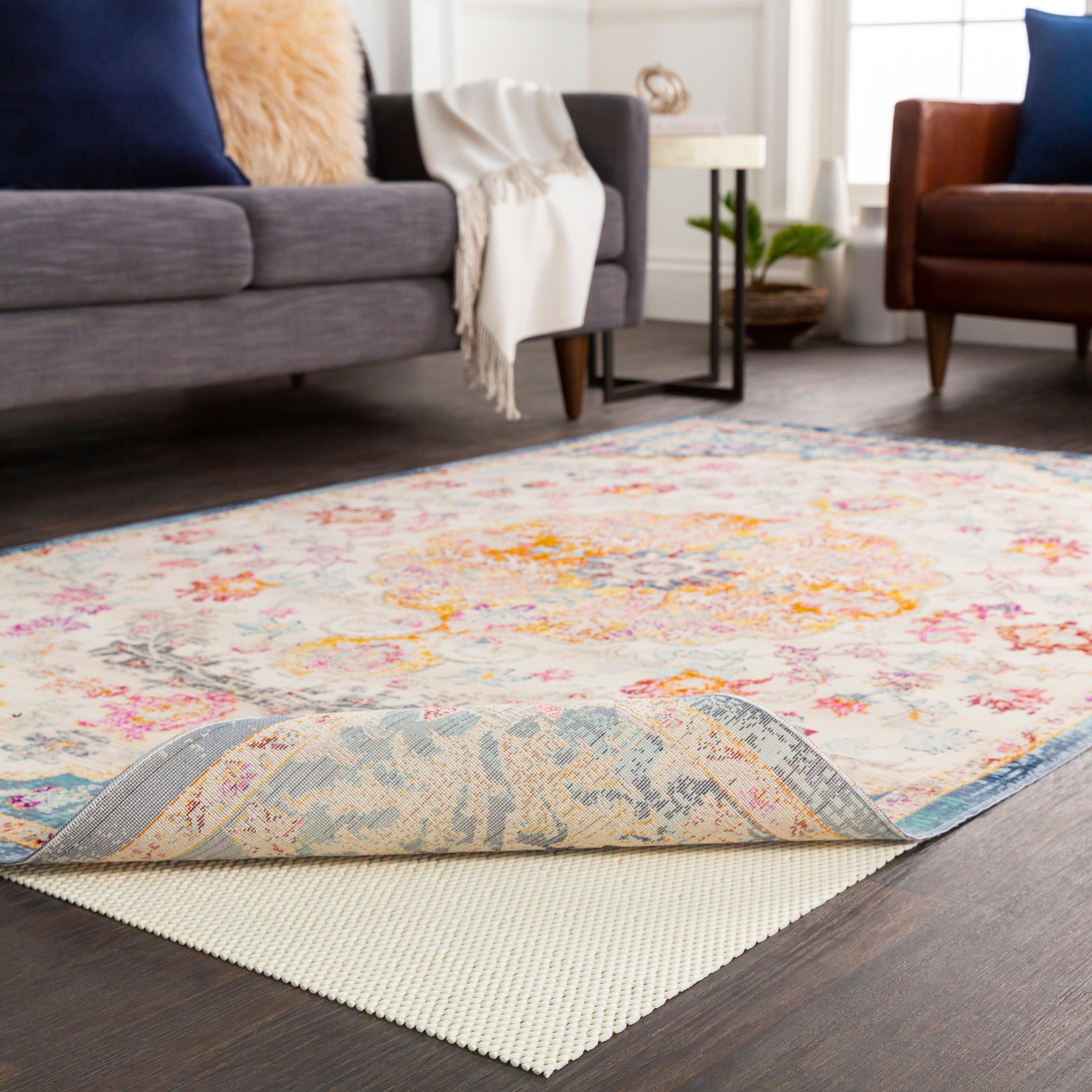
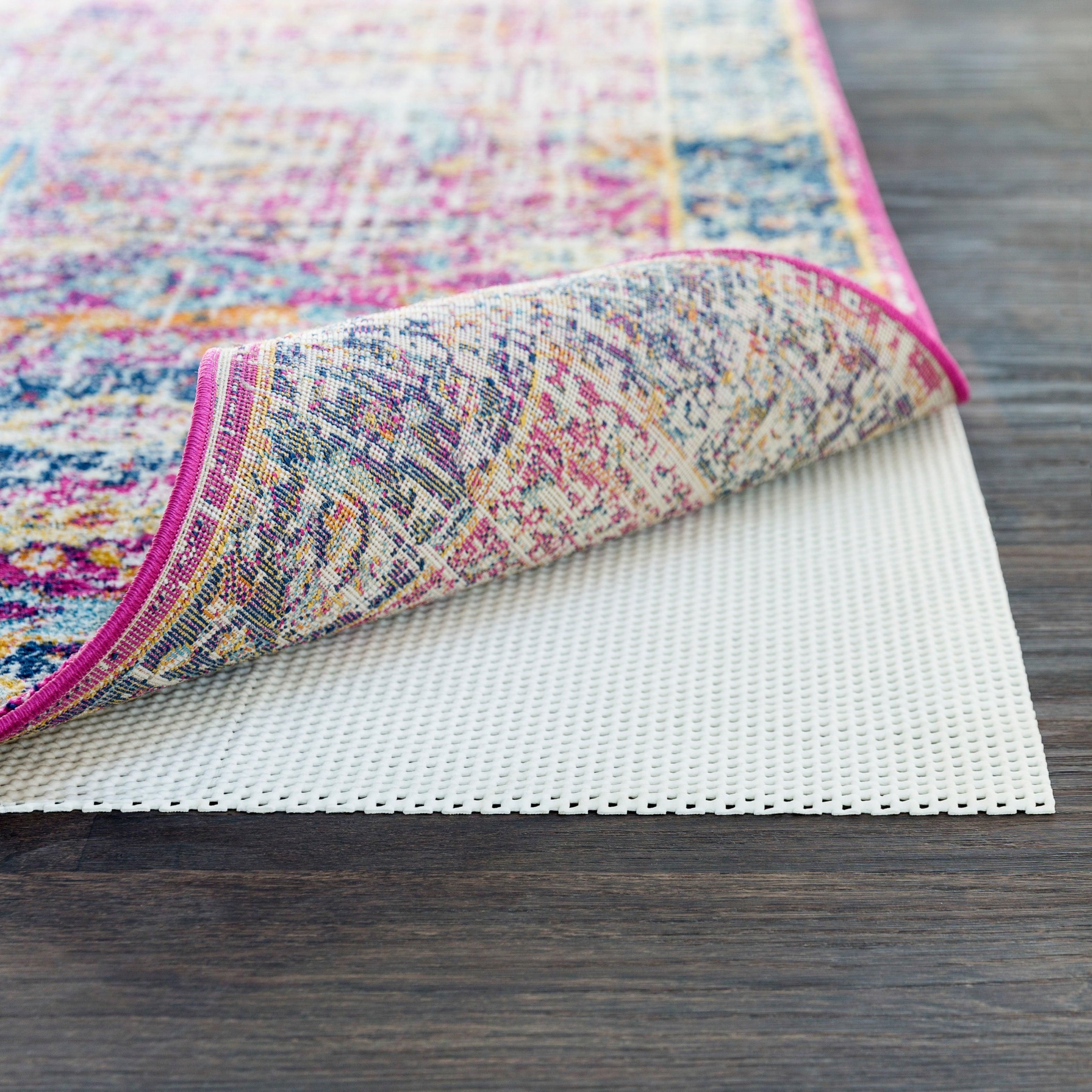
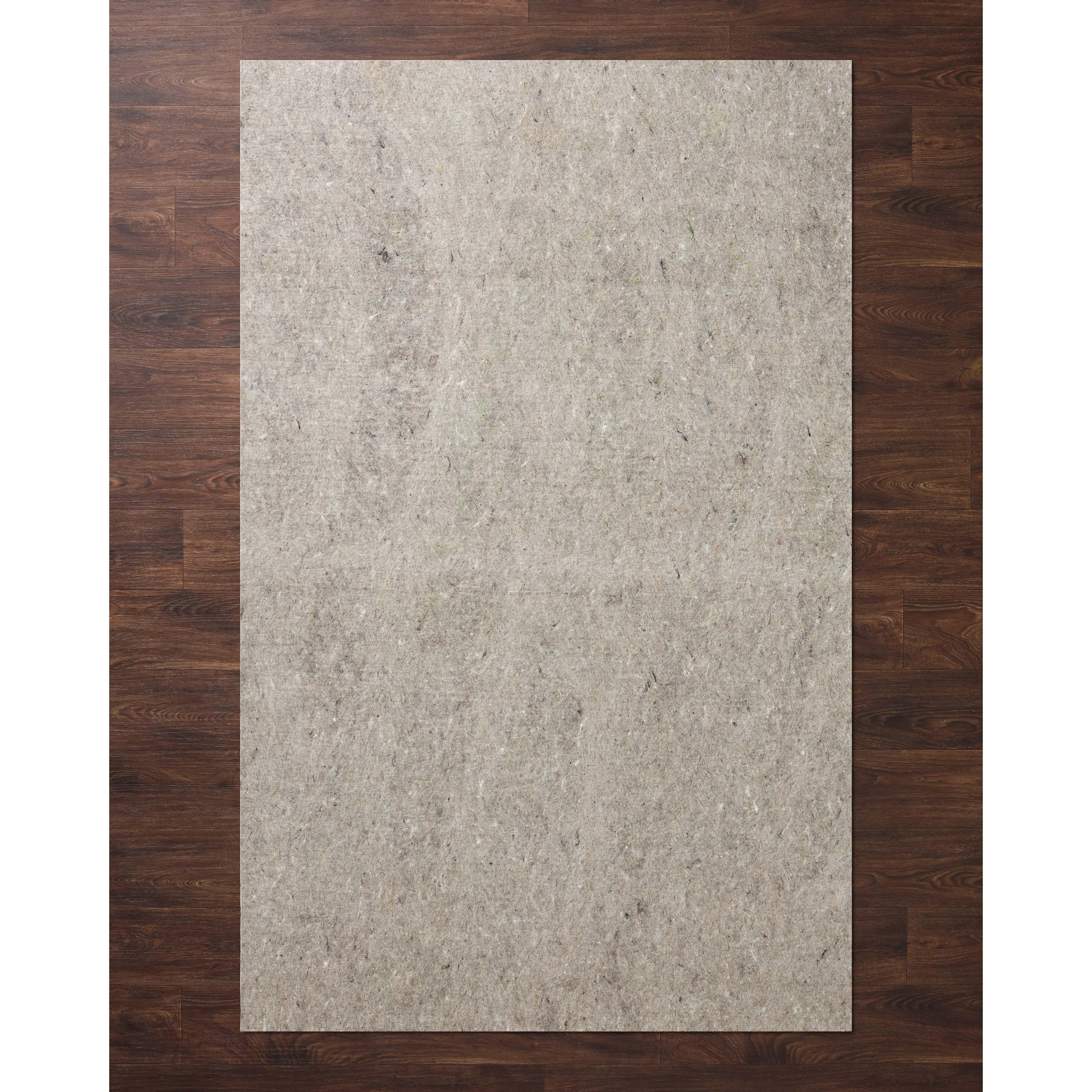
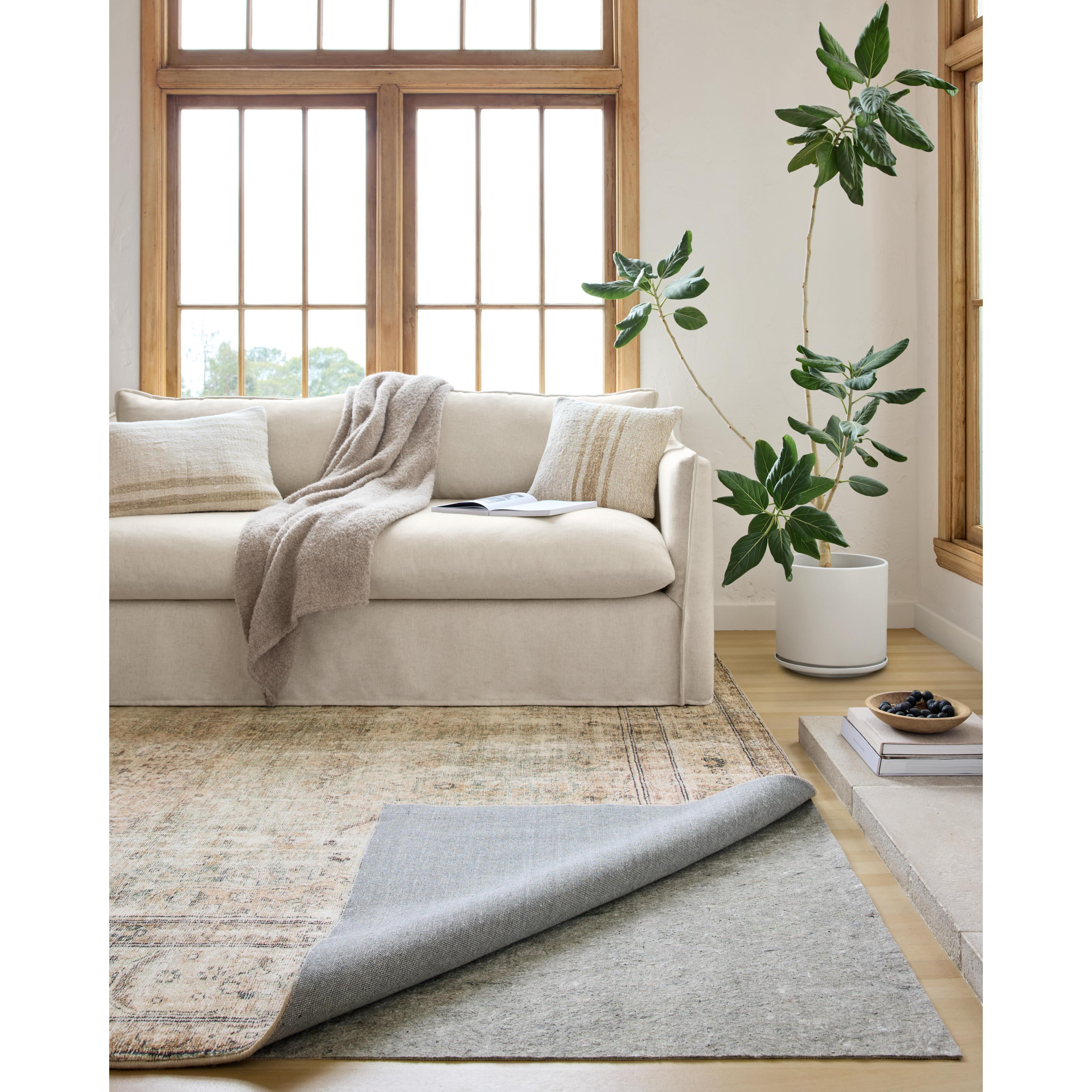
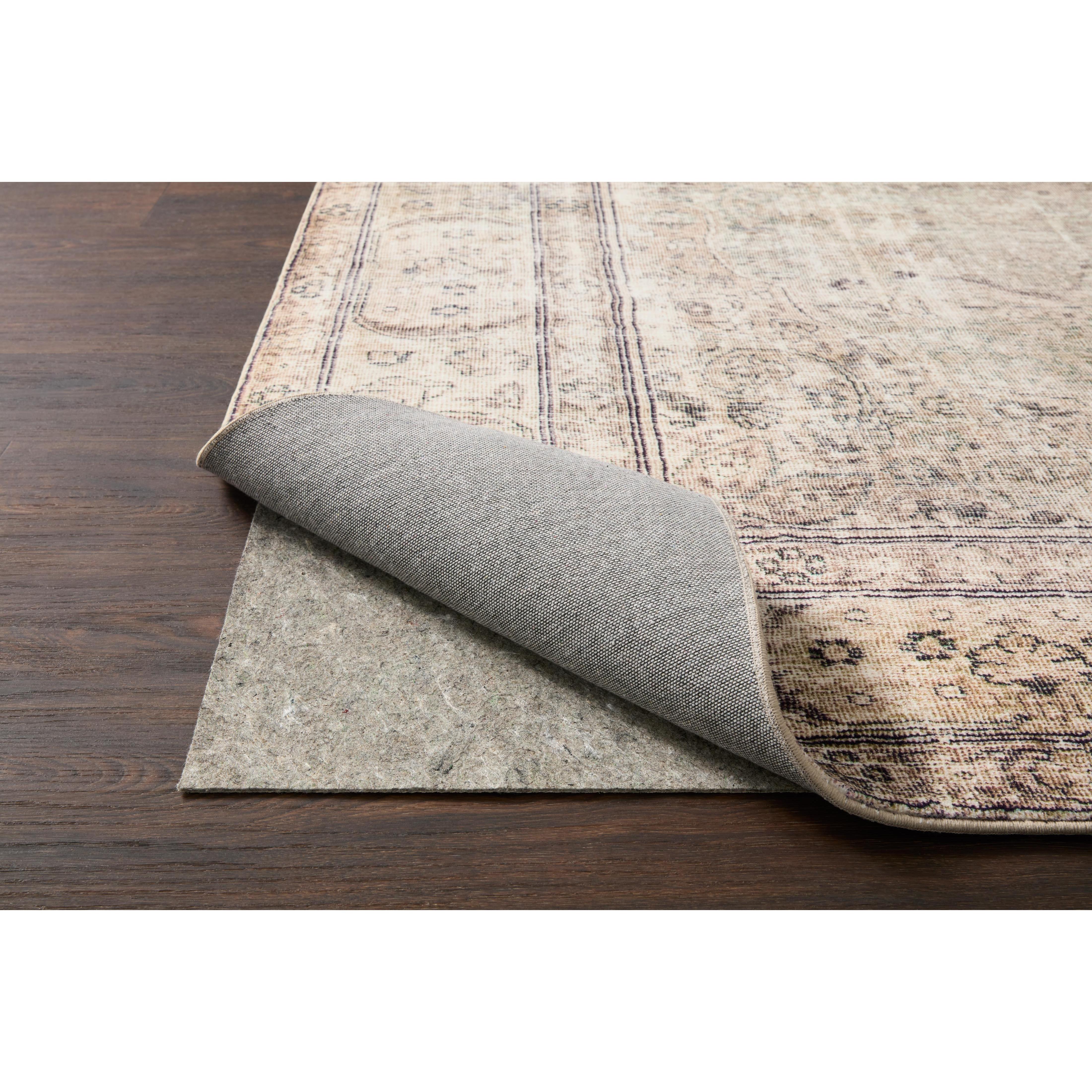
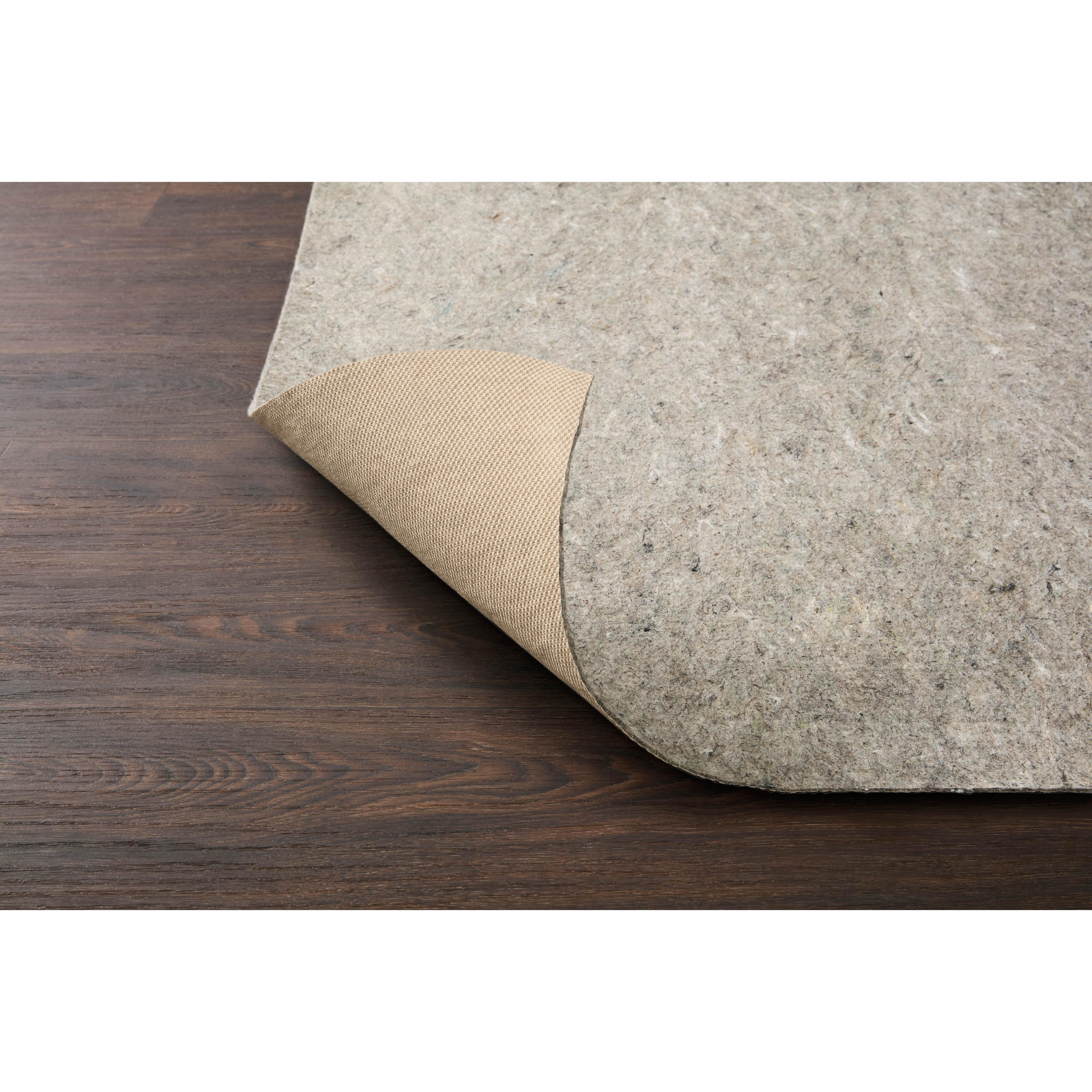
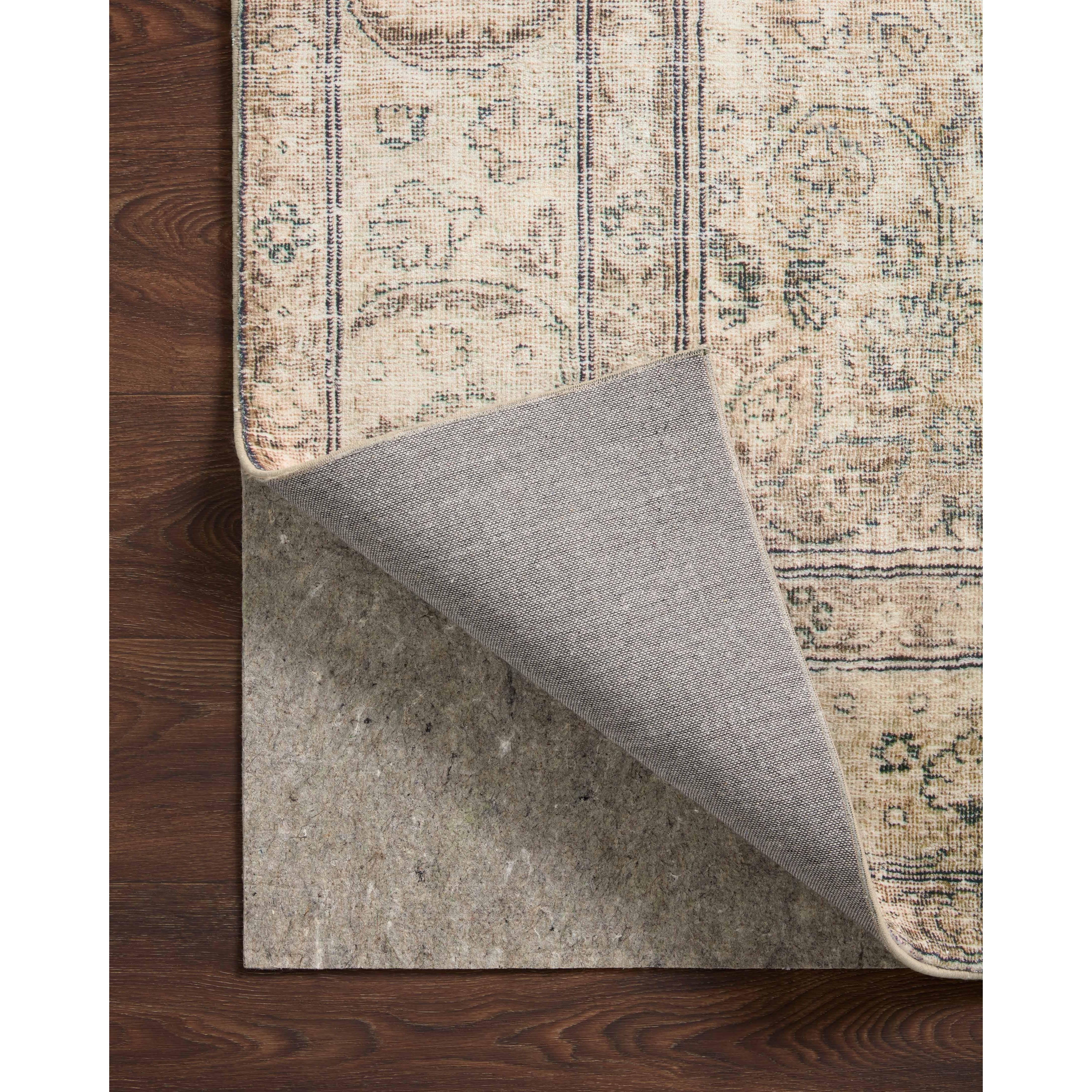
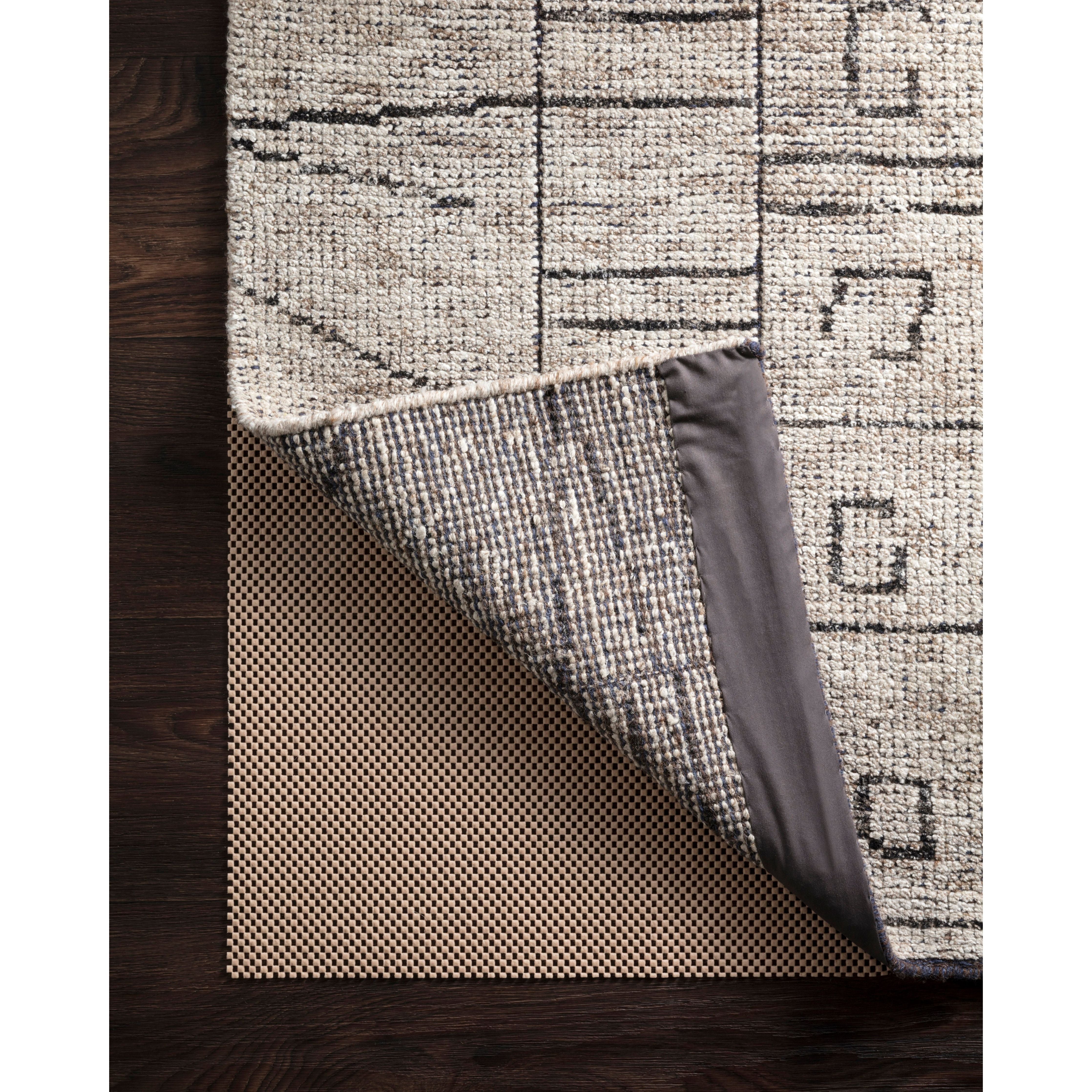
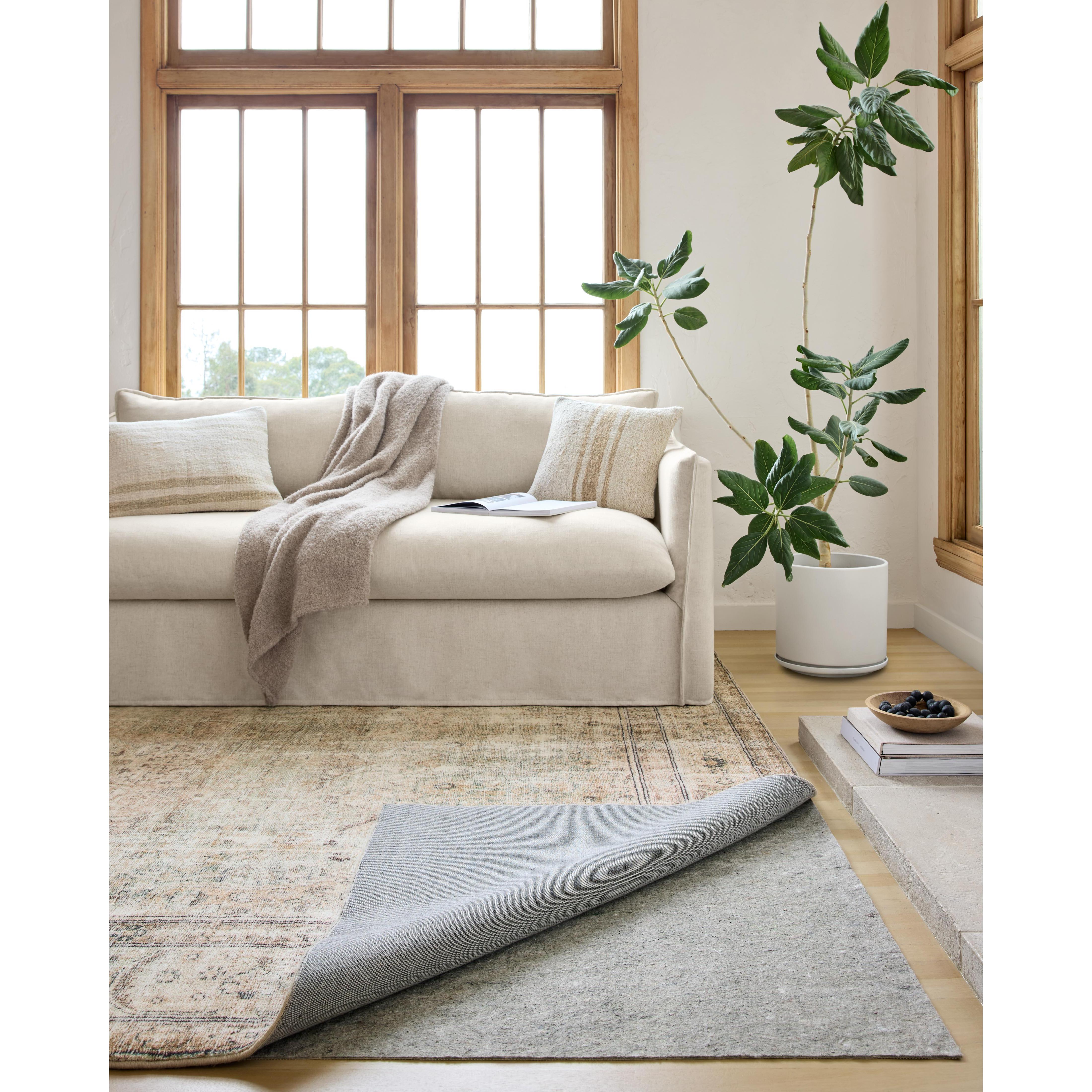
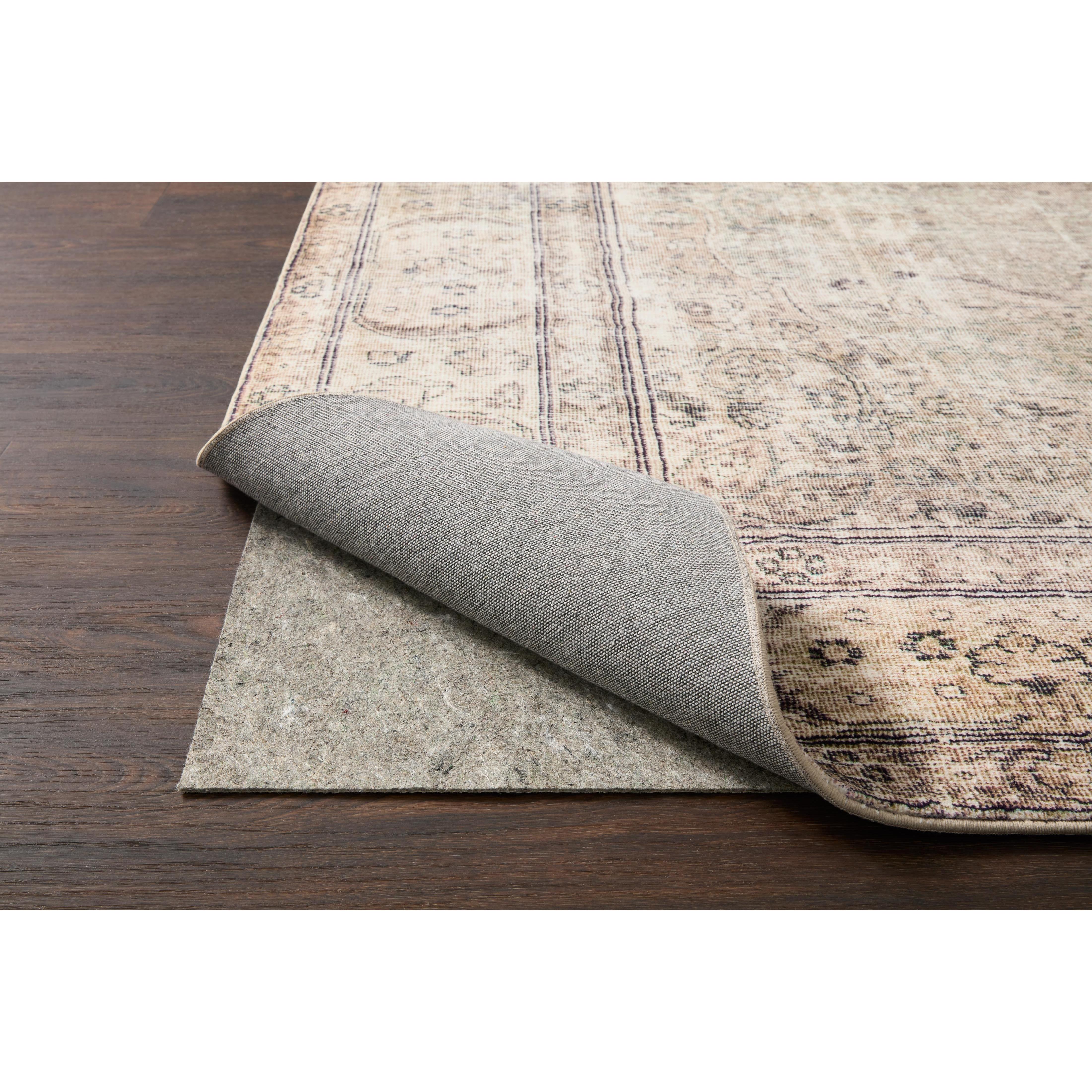
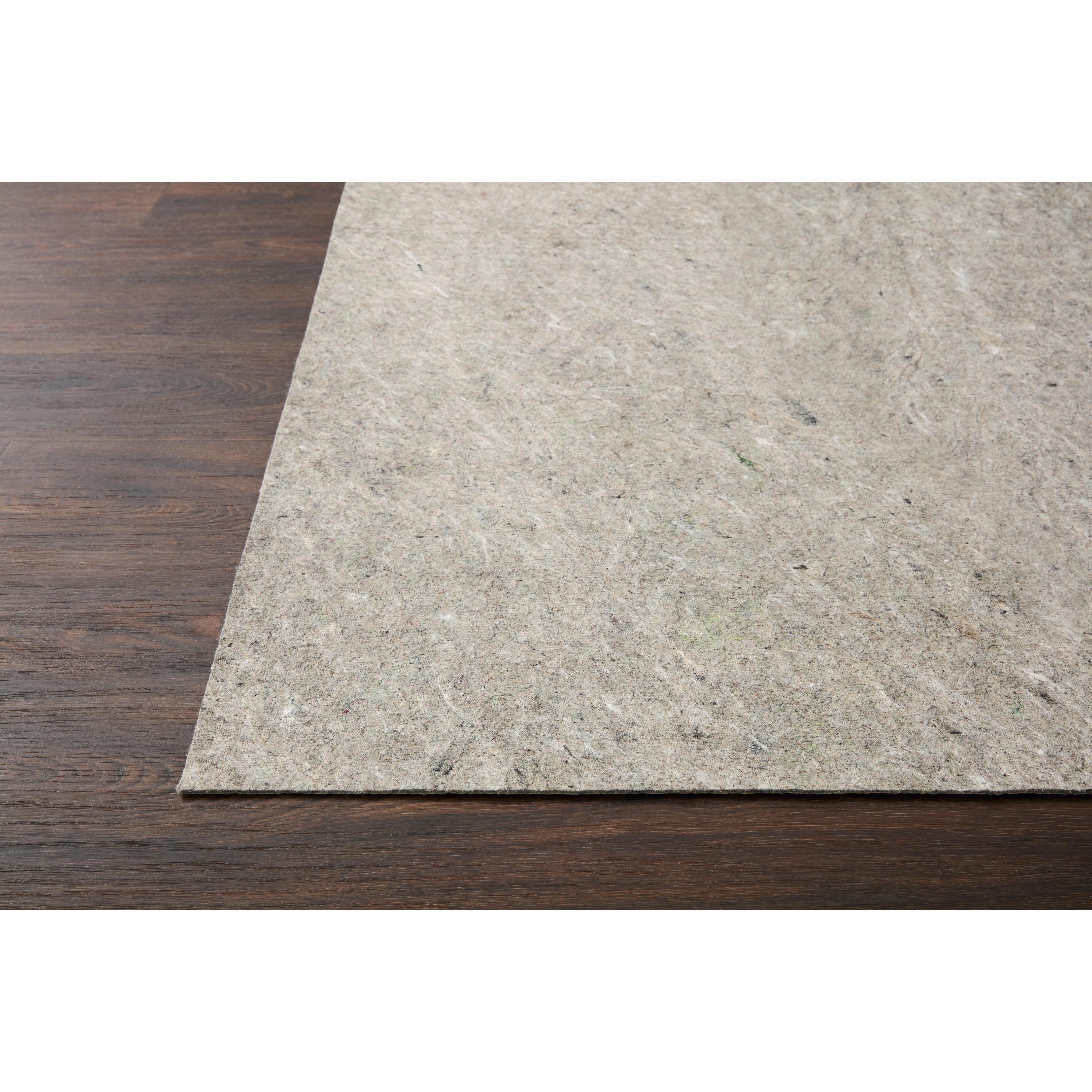
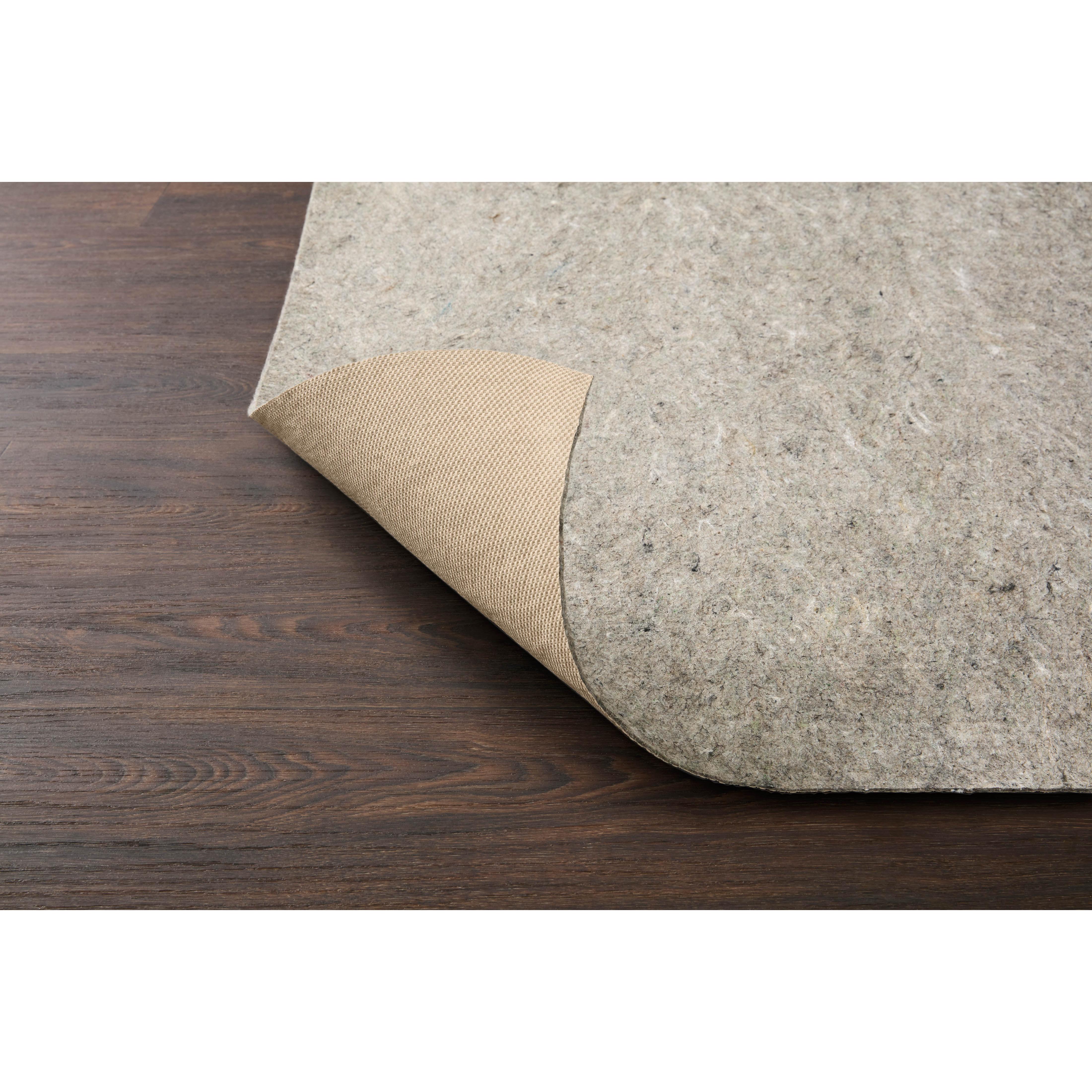
This is a non-negotiable step for any area rug, but it’s especially important in the dining room. A non-slip rug pad does two crucial things: it keeps the rug firmly in place to prevent dangerous slips and trips, and it adds an extra layer of cushioning underfoot for more comfort. It also helps protect your floors from scratches and extends the life of your rug by reducing friction. Think of it as an affordable insurance policy for your safety, your floor, and your beautiful new rug. It’s a simple addition that makes a world of difference in both function and longevity.
Place and Protect Your Rug Like an Expert
Once you’ve found the perfect rug, the final step is placing it correctly. This is where you bring your vision to life, turning a good dining room into a great one. Proper placement not only looks more professional but also protects your investment by ensuring your rug wears evenly and functions beautifully. Think of it as styling your room’s foundation—getting it right makes everything else fall into place. From centering the rug to ensuring smooth traffic flow, these simple steps will help you create a dining space that’s as practical as it is polished.
Center and Align Your Rug Perfectly
The easiest way to create a sense of order in your dining room is to center the rug directly under your dining table. This simple action creates a visual anchor, making the entire space feel more balanced and intentional. Before you place your table back on top, take a moment to measure the distance from the rug’s edges to the walls to ensure it’s perfectly aligned with the room. A well-centered rug grounds your dining set, drawing the eye to the heart of the room and making the whole setup feel cohesive and thoughtfully designed. It’s a small detail that makes a huge impact.
Use a Rug Pad the Right Way
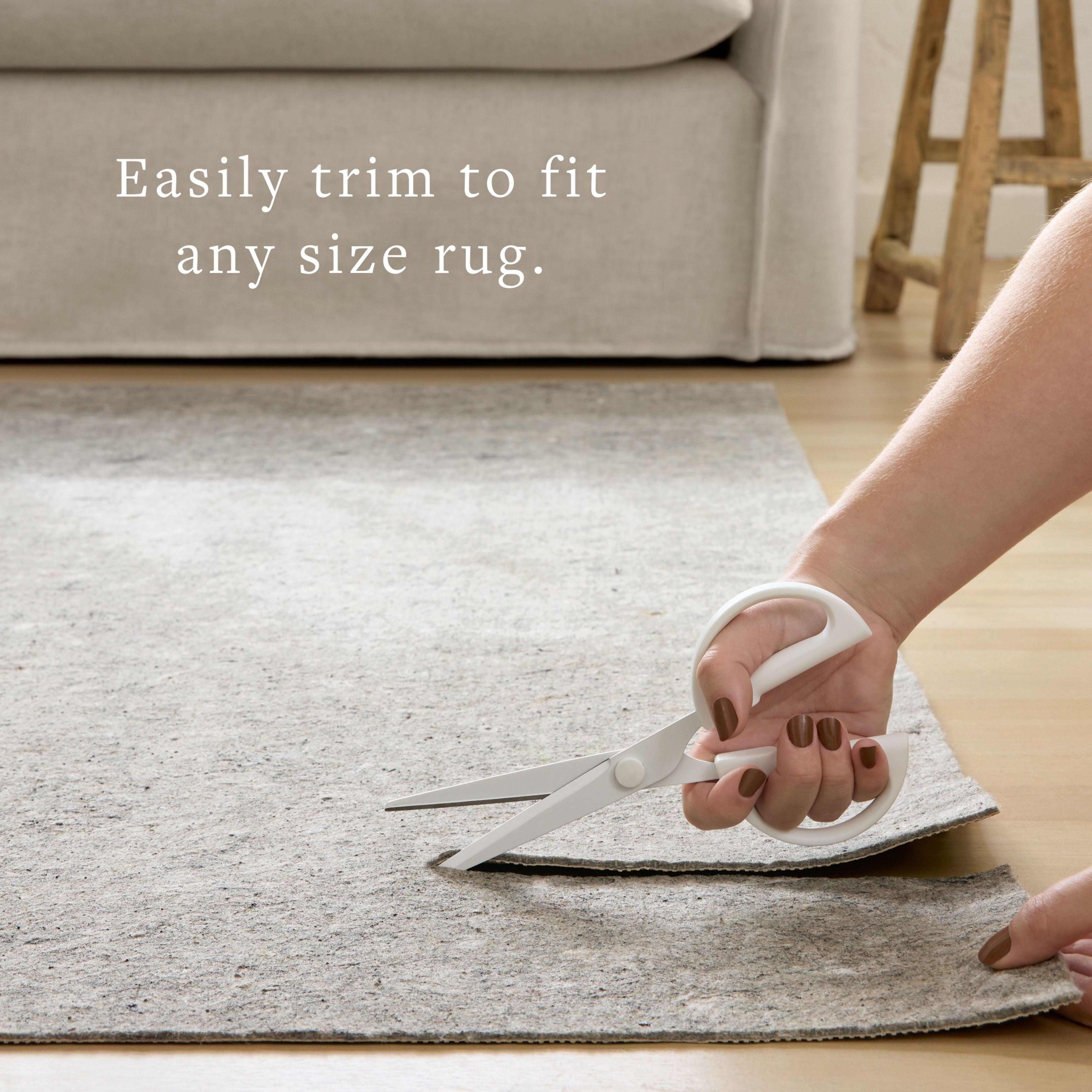
A rug pad is one of the most important accessories for your new area rug. It’s not just about adding a little extra cushion underfoot; it’s essential for safety and longevity. A quality rug pad prevents your rug from slipping and bunching, which is a major tripping hazard in a high-traffic area like the dining room. It also protects your flooring from scratches and adds a layer of support that reduces wear and tear on the rug itself. When choosing a pad, make sure it’s about an inch smaller than your rug on all sides. This allows the edges of the rug to taper down to the floor, preventing a raised edge you could trip on.
Ensure Easy Traffic Flow
Your dining room rug needs to be functional, and that means giving your chairs enough room to move. A common mistake is choosing a rug that’s just barely larger than the table. You should aim for at least 24 to 30 inches of rug extending beyond the table on all sides. This allows you and your guests to easily slide chairs in and out without the back legs catching on the edge of the rug. This simple rule prevents frayed edges on your rug, protects your floors, and makes sitting down for a meal a much smoother, more comfortable experience for everyone.
Work with Your Room's Layout
The best way to create a harmonious look is to match the shape of your rug to the shape of your table. If you have a rectangular or oval table, a rectangular rug is the natural choice. For a round or square table, a round or square rug will complement it perfectly. This repetition of shapes creates a clean, cohesive feel. You should also consider the room’s overall layout. Placing a rectangular rug parallel to the longest wall can help make the space feel larger and more open. Working with your existing shapes is a simple design trick that always delivers a polished result.
Make Seasonal Adjustments
Don’t be afraid to adapt your dining room setup to fit your needs throughout the year. During the busy holiday season, you might want to use a durable, low-pile, or even one of the newer washable rugs that can handle extra foot traffic and potential spills. In smaller dining rooms where a traditional rug might feel too cramped, a stylish vinyl floor mat can be a fantastic and practical alternative. Thinking about your decor seasonally allows you to keep your space feeling fresh and functional, no matter what life throws at it. Your home should work for you, so feel free to make changes that fit your lifestyle.
Design Tips for a Polished Look
Once you’ve nailed the right size and material, it’s time for the fun part: styling. The right design choices can transform your dining room from a functional space into a truly polished and inviting area. These tips are the finishing touches that pull the entire room together, creating a cohesive look that feels intentional and thoughtfully designed. It’s about making your rug work in harmony with your table, chairs, and other decor to create a space you’ll love spending time in.
Think of your rug as the anchor of the room’s aesthetic. It can set the tone, add personality, and tie different design elements together. Whether you’re aiming for a bold statement or a subtle, elegant backdrop, a few key strategies can help you achieve a professional-looking result. From playing with layers to coordinating shapes, these simple adjustments will make a huge impact on the overall feel of your dining space.
Create Visual Interest
Your dining room rug is more than just a floor covering; it’s a major design element. Choosing the right one is a balancing act between size, material, color, and function. A beautiful area rug can serve as the focal point, introducing pattern and color that energizes the space. If your dining furniture and walls are neutral, a rug with a vibrant design or rich hue can add a much-needed dose of personality. On the other hand, if your room already has bold elements, a more subtle, textured rug in a neutral tone can provide a calming foundation that grounds the space without competing for attention. The goal is to create a look that feels balanced and complete.
Try Layering Rugs
For a look that’s full of personality and texture, try layering your rugs. This is a fantastic way to add depth and a custom feel to your dining area. The most common approach is to start with a large, neutral rug made of a natural fiber like jute or sisal. This will cover the necessary floor space for your table and chairs. Then, place a smaller, more decorative rug on top—think a vintage-style piece or one with a bold geometric pattern. This technique allows you to play with different styles and colors without committing to a single, large patterned rug. It also adds an extra layer of softness and comfort underfoot, making your dining room feel even more inviting.
Consider Your Lighting
The color and texture of your rug can significantly influence the mood and brightness of your dining room. Before you make a final decision, think about your room's lighting, both natural and artificial. In a room with lots of sunlight, a darker rug can add sophistication and drama without making the space feel gloomy. Conversely, in a dining room that lacks natural light, a lighter-colored rug can help brighten the area and make it feel more open and airy. Soft, neutral tones tend to create a sense of calm, while deeper, saturated colors can make the room feel more formal and intimate. Always view a rug sample in your space at different times of the day to see how it interacts with the light.
Harmonize Shapes and Sizes
One of the easiest ways to create a cohesive look is to match the shape of your rug to the shape of your dining table. This simple principle creates a pleasing visual harmony. If you have a rectangular or oval table, a rectangular rug is the natural choice. For a round table, a round or square rug works best to echo its shape and create a balanced composition. This alignment makes the entire dining set feel like a single, unified feature within the room. While you can certainly break this rule for an eclectic look, sticking to corresponding shapes is a foolproof strategy for achieving a clean, well-designed space that feels both elegant and orderly.
Keep Your Rug Looking New: Care and Maintenance
Once you’ve found the perfect rug, you’ll want to keep it looking fresh for years to come. A dining room rug faces unique challenges—crumbs, spills, and shuffling chairs are all part of the daily routine. But with a little consistent care, you can easily protect your investment and keep it looking as beautiful as the day it arrived. Think of it less as a chore and more as a simple habit that makes a huge difference. Here are a few straightforward tips for maintaining your dining room rug.
Your Daily and Weekly Care Routine
The single most effective thing you can do for your rug is to vacuum it regularly. Aim for at least once a week to pick up dust, crumbs, and other debris before it gets ground into the fibers. For most area rugs, using a vacuum with the beater bar turned off or using a brush attachment is best. This gentle approach lifts dirt without snagging or fraying the delicate fibers, which helps preserve the rug's texture and appearance over time. It’s a quick task that pays off by extending the life of your rug.
How to Handle Spills (Fast!)
Spills are inevitable in the dining room, but they don’t have to mean stains. The key is to act quickly. As soon as a spill happens, grab a clean, dry cloth and blot the area—never rub, as that can push the liquid deeper into the fibers. Start from the outside of the spill and work your way in to prevent it from spreading. For tougher spots, lightly dampen a white cotton towel with clean water and continue to blot. If you have a busy household with kids or pets, consider a washable rug for ultimate peace of mind.
When to Call a Professional Cleaner
Even with the best care, there are times when a professional touch is needed. If you’re dealing with a deep, set-in stain or your rug just looks a bit dull and tired after years of use, it might be time to call in an expert. Professional rug cleaners have the specialized equipment and solutions to deep clean your rug safely, reviving its colors and texture. Think of it as a spa day for your rug—an occasional investment that can restore its original beauty and remove allergens that regular vacuuming can’t reach.
Extend the Life of Your Rug
Beyond cleaning, a few simple habits can significantly prolong your rug's life. Always use a quality rug pad underneath; it prevents slipping, adds cushion, and reduces wear and tear from the floor. Another great tip is to rotate your rug 180 degrees every six months to a year. This ensures it wears evenly, especially in a dining room where certain chairs might get more use than others. Combining these small steps—regular vacuuming, prompt spill care, and periodic rotation—will keep your rug looking fantastic for many meals to come.
Frequently Asked Questions
What if my dining room is too small for the 24-inch rule? This is a common issue, and honestly, it's better to have no rug at all than one that's too small for the chairs or too big for the room. If adding 24 inches on all sides of your table means the rug would run into a wall or another piece of furniture, the space will feel cramped. In this case, let your beautiful floors be the star and focus on other elements like lighting or a great centerpiece to define your dining area.
Do I absolutely have to match the rug shape to my table shape? While matching shapes is a foolproof way to create a harmonious look, it's not a strict requirement. A round table can look fantastic on a large square or rectangular rug, especially in an open-concept space where the rug helps define a larger zone. The most important thing is that the rug is large enough to comfortably accommodate the table and all the chairs when they are pulled out.
What's the most important factor to get right: size, material, or style? Size is, without a doubt, the most critical factor. You can have the most beautiful, high-quality rug in the world, but if it's the wrong size, it will throw off the entire room's function and balance. Chairs will get caught on the edge, and the proportions will look off. Always determine the correct size first, and then you can have fun choosing the perfect material and style to fit your space.
How do I choose a rug that won't show every single crumb and spill? For a dining room, a rug with a pattern is your best friend. Intricate designs are incredibly forgiving and do a wonderful job of camouflaging minor spills or crumbs until you have a chance to clean them. Also, look for low-pile rugs in durable materials like wool or synthetics such as polypropylene, as they are much easier to spot-clean and vacuum effectively.
Is a rug pad really that important? Yes, it's a non-negotiable. A rug pad does more than just add a bit of cushion. Its main job is to keep the rug from slipping and bunching up, which is a serious safety hazard in a room where people are constantly moving chairs. It also protects your floors from scratches and helps your rug last longer by reducing friction. It’s a small investment that makes a huge difference in safety and longevity.